The HAWANA 2026 Summit, opening tomorrow at the PICCA Convention Centre @ Arena Butterworth, features a retrospective photo gallery that traces the development of Malaysia's National Journalists' Day from its inception in 2018 through 2025. This exhibition represents a significant moment for the Malaysian journalism community, offering a visual historical record of a celebration dedicated exclusively to media professionals and their contributions to the nation's information landscape.
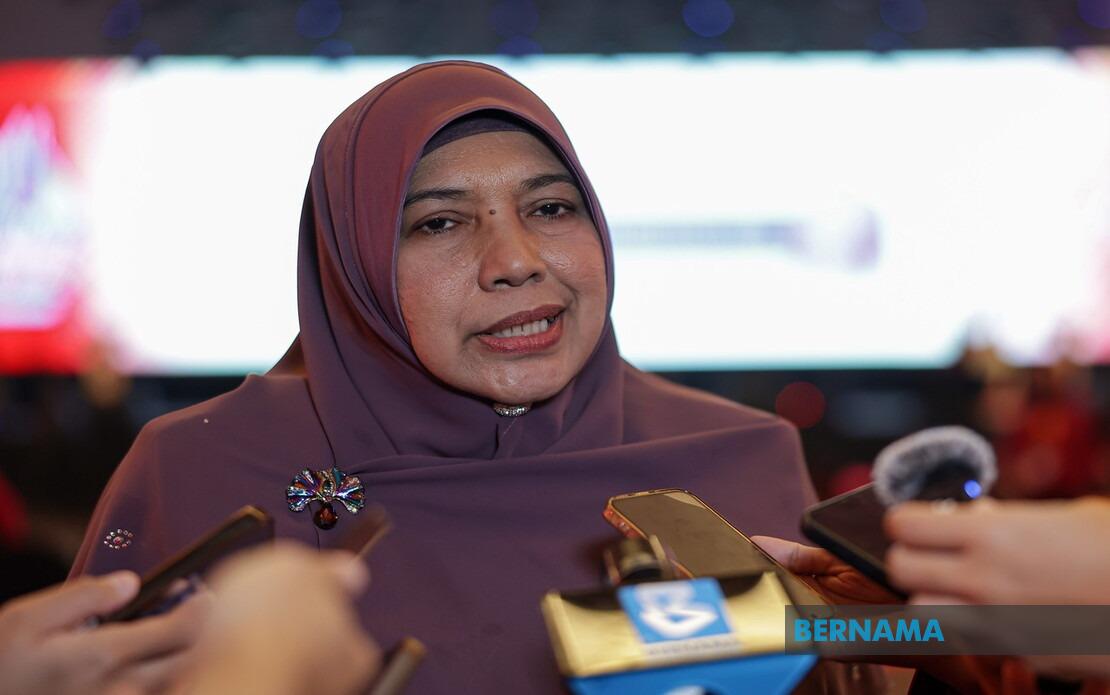
Datin Paduka Nur-ul Afida Kamaludin, Chief Executive Officer of the Malaysian National News Agency (Bernama), explained that the gallery operates as two interconnected displays. The first segment chronicles HAWANA's evolution across eight years, while the second presents personal narratives of individuals who have benefited from the Tabung Kasih@HAWANA fund. This dual approach transforms the exhibition beyond mere documentation into a testament of institutional memory and human impact, allowing visitors to understand both the organisational growth and the real-world outcomes of the initiative.
As both CEO of Bernama and chair of the HAWANA 2026 Working Committee, Nur-ul Afida emphasised that this exhibition serves a crucial function in elevating Bernama's often-invisible labour as the secretariat of the welfare fund and principal implementing agency for the celebration. While journalists and news agencies typically operate behind the scenes reporting on events affecting others, this platform inverts that dynamic, placing the media industry itself at the centre of the narrative. The exhibition thus becomes a statement about professional recognition within a sector that frequently documents other industries and communities while remaining largely undocumented itself.
The welfare dimension of the exhibition carries particular significance for Malaysian media professionals. The Tabung Kasih@HAWANA fund addresses a persistent challenge within journalism—supporting practitioners who encounter severe health complications or financial distress that extend beyond what individual salaries or standard benefits can cover. By displaying these stories visually, the exhibition normalises conversations about vulnerability within the profession and demonstrates institutional commitment to supporting journalists through life's unpredictable challenges. This transparency helps counter the perception that media institutions operate purely as profit-seeking enterprises disconnected from employee welfare.
Moreover, the exhibition functions as a collective memory exercise for the journalism community. Mohamad Bakri Darus, editor of Bernama's Photo Desk, noted that the carefully curated selection was designed to resonate with media practitioners who participated in previous celebrations. For journalists who attended HAWANA events in Kuala Lumpur, Melaka, Ipoh, or Kuching, the photographs serve as visual anchors to shared professional experiences, reinforcing the sense of community within an increasingly fragmented media landscape where journalists often work in isolation at different outlets and platforms.
The bilingual presentation in Malay and English reflects Malaysia's multicultural media ecosystem and ensures accessibility across linguistic communities. This approach acknowledges that while Bernama functions as the national news agency with particular prominence in Bahasa Malaysia, the Malaysian journalism industry operates polyglottically, with significant English-language publications, vernacular outlets, and digital platforms serving diverse readerships. The exhibition's language choices thus mirror the actual composition of the Malaysian media profession itself.
HAWANA's geographical rotation across Malaysian cities—Kuala Lumpur, Melaka, Ipoh, and Kuching—demonstrates an intentional strategy to distribute celebration events beyond the capital, recognising that journalism is practiced throughout the nation, not merely in federal territories. This decentralisation effort validates the contributions of journalists working in provincial newsrooms and regional bureaus, populations often overlooked in celebrations concentrated in capital cities. The exhibition's inclusion of previous venues reinforces this commitment to inclusivity and geographic acknowledgement.
The main programme components displayed—including the Strategic Partner Meeting, Media Forum, HAWANA-DBP Pantun Festival, HAWANA Carnival and Exhibition, and HAWANA Sports—reveal a multifaceted approach to professional celebration. Rather than limiting the occasion to formal seminars, the organisers have created opportunities for intellectual engagement, cultural expression, competitive spirit, and commercial networking. This variety ensures that HAWANA accommodates different personality types and professional interests within the journalism community, from academic journalists interested in strategic discussions to sports journalists and those passionate about Malaysian literary traditions.
Prime Minister Datuk Seri Anwar Ibrahim is scheduled to officiate the HAWANA 2026 Summit tomorrow, underscoring the event's significance within Malaysia's political and cultural calendar. Prime ministerial attendance signals governmental recognition of journalism's importance to national discourse and democratic functioning. This political endorsement provides a counterbalance to frequent tensions between media institutions and government bodies, offering a moment where institutional support for press freedom and journalist welfare is publicly demonstrated at the highest level.
The exhibition's existence also reflects broader professional maturation within Malaysian journalism. As the industry faces disruption from digital transformation, economic pressures on traditional news outlets, and evolving audience consumption patterns, institutions like HAWANA provide anchoring points for professional identity and mutual support. The photo gallery documents not merely historical events but rather the persistence and evolution of community structures designed to sustain journalists through challenging periods of industry transition.
For Malaysian readers and media observers, this exhibition offers transparency into institutional structures often operating invisibly. The Tabung Kasih@HAWANA fund represents a form of professional mutual aid that contrasts with purely commercial media operations. Understanding how such welfare mechanisms function, who they serve, and their real impact on practitioners provides insights into the human dimensions of news production—reminding audiences that journalism is produced by individuals with families, health concerns, and financial vulnerabilities, not merely by abstract institutional entities.

