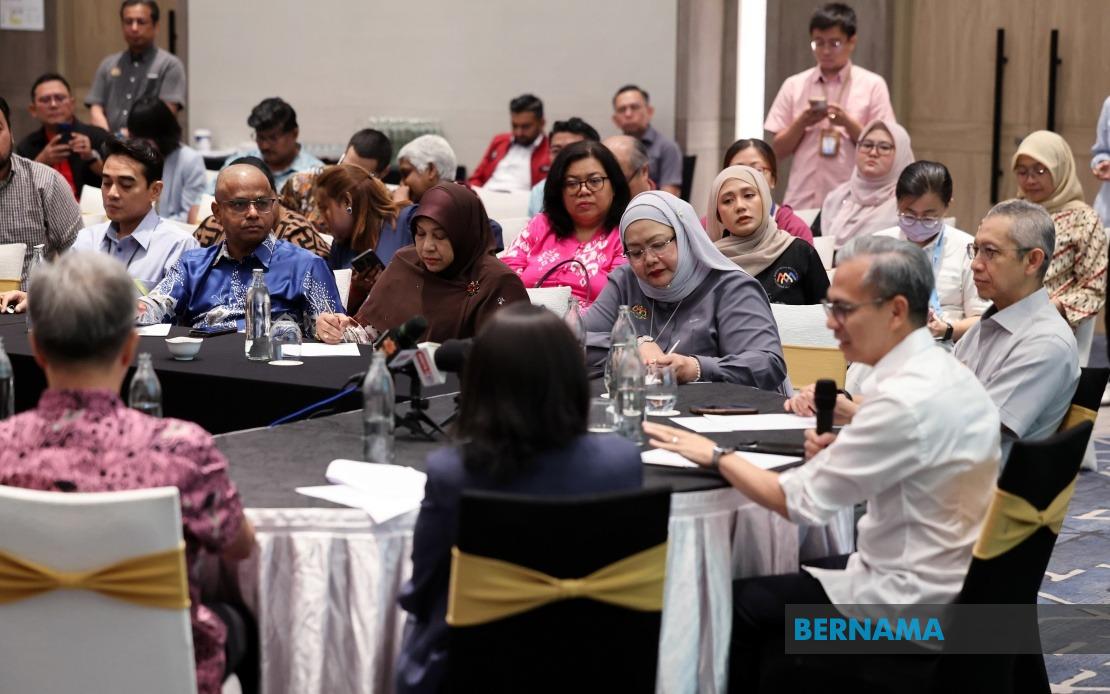
The HAWANA 2026 Summit formally commenced on June 20 at PICCA@Arena Butterworth Convention Centre, drawing together journalists, media strategists, and government representatives from across Malaysia and the wider ASEAN community. The influx of delegates signals renewed commitment from regional governments and news organisations to elevate professional standards in an era of rapid information dissemination and mounting pressure on traditional media outlets.
Attendees wasted little time engaging with the summit's offerings, exploring exhibition booths that showcase innovations in journalism and media technology, while a curated photo gallery documenting Malaysia's media history drew considerable interest from visiting practitioners. The atmosphere reflected a blend of professional networking and nostalgic reflection on the evolution of Southeast Asian journalism over recent decades.
The presence of journalists from neighbouring ASEAN nations underscores HAWANA's expanding role as a catalyst for cross-border collaboration. By bringing together media professionals from diverse political and economic contexts—from Indonesia's sprawling archipelago to Vietnam's tightly controlled press environment—the summit creates rare opportunities for practitioners to exchange experiences, discuss common challenges, and explore shared best practices. This multilateral dimension distinguishes HAWANA from purely domestic press conferences and elevates its significance as a regional convening platform.
Organised by Malaysia's Ministry of Communications with Bernama, the national news agency, serving as implementing partner, HAWANA 2026 expects to host approximately 1,000 media practitioners. The scale of this gathering reflects the importance Malaysian leadership places on media infrastructure and professional development within the Southeast Asian context. For smaller regional media markets, such summits often provide crucial exposure to international standards and peer networks that might otherwise remain inaccessible.
This year's theme, "Media Integrity Strengthens Credibility," directly addresses contemporary challenges facing journalism across Asia. The region has witnessed erosion of public trust in traditional news sources, partly driven by the proliferation of misinformation, state interference in editorial decisions, and commercial pressures that incentivise sensationalism over accuracy. By positioning media integrity as foundational to credibility, the summit frames professional journalism as essential infrastructure for democratic discourse and informed citizenship—a position increasingly contested in Asian political contexts.
Prime Minister Datuk Seri Anwar Ibrahim will officiate the summit, signalling government endorsement of press professionalism and possibly indicating policy directions on media regulation. The participation of Malaysia's highest executive office lends authority to discussions about journalism's role in national development and social stability. However, it also raises questions about editorial independence, particularly in contexts where government officials wield considerable influence over media narratives through advertising, licensing, and regulatory mechanisms.
HAWANA's recognition of journalism practitioners' dedication and professionalism carries particular resonance in an Asian context where journalists frequently face legal harassment, physical threats, and economic precarity. Malaysian and regional media workers operate within regulatory frameworks that sometimes constrain investigative reporting on sensitive topics—from corruption within political establishments to human rights concerns. By honouring professional contributions in delivering accurate information, the summit implicitly validates journalistic ambition despite these constraints.
The summit also reflects shifting conversations about information credibility in Southeast Asia. Rapid mobile phone penetration and social media adoption have democratised content creation while simultaneously enabling unprecedented spread of false narratives. Traditional news organisations now compete with citizen journalism, social media influencers, and algorithmic content curation. Media practitioners attending HAWANA will likely discuss strategies for rebuilding audience confidence through transparency, fact-checking initiatives, and collaborative journalism projects that leverage collective expertise across organisations.
For Malaysia specifically, HAWANA 2026 arrives amid ongoing debates about the Internal Security Act, press freedom rankings, and the government's relationship with media freedom advocates. The summit provides a platform for recalibrating these conversations at the regional level, where Malaysia positions itself as a responsible media advocate rather than a cautionary tale. This diplomatic framing proves particularly important as Malaysia seeks to influence regional narratives about press freedom standards and media development trajectories.
The exhibition component and networking opportunities embedded within HAWANA reflect recognition that journalism's future depends on community-building among professionals. Individual newsrooms—whether traditional broadcasters or digital startups—often labour in relative isolation, particularly in smaller ASEAN markets lacking robust journalistic associations. Regional conferences create spaces where journalists from competing organisations can identify common professional interests distinct from their employers' commercial objectives, strengthening collective advocacy for better working conditions, legal protections, and editorial independence.
As regional disinformation campaigns intensify and geopolitical tensions create pressure on media independence throughout ASEAN, platforms like HAWANA become increasingly consequential. The summit's emphasis on credibility directly addresses one of Southeast Asia's most pressing information challenges: distinguishing reliable reporting from coordinated falsehoods. This agenda transcends national boundaries, affecting how citizens across Malaysia, Thailand, Vietnam, Indonesia, and beyond form political opinions and make consequential decisions about their lives and communities.

