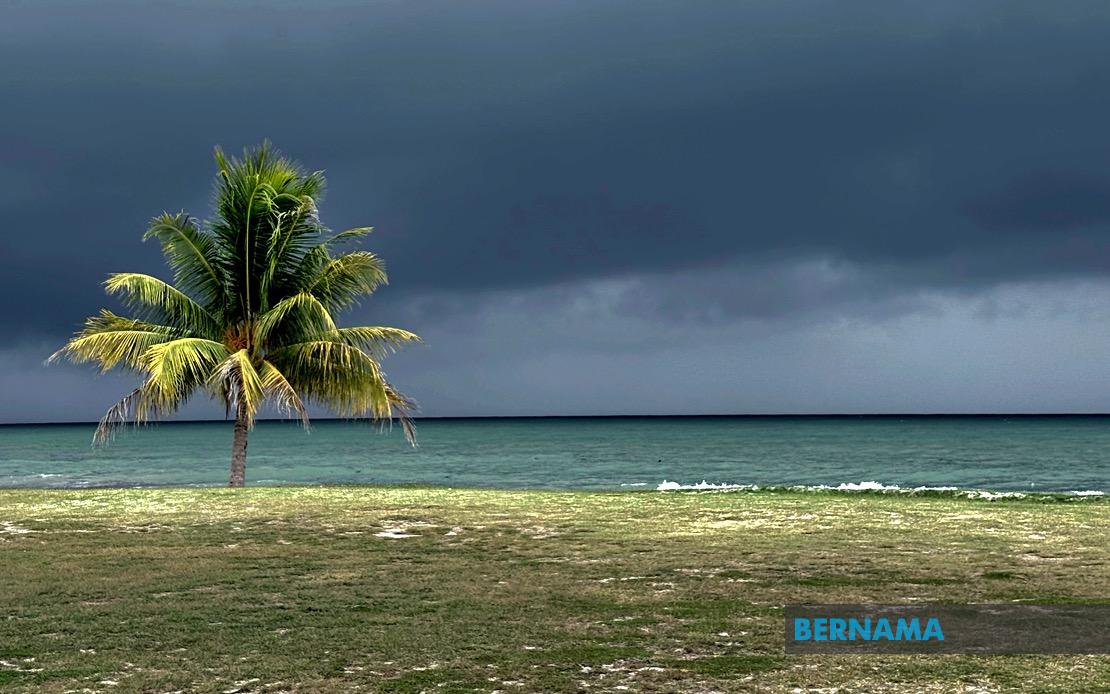
The Malaysian Meteorological Department issued an urgent advisory on June 25 alerting residents across five states to brace for deteriorating weather conditions, with thunderstorms, intense rainfall and powerful winds expected to persist until 11 pm. The alert underscores the intensity and geographic spread of the weather system moving across the nation, affecting a swathe of territory from the east coast to the island territories of Borneo.
On Peninsular Malaysia's east coast, several districts in Kelantan face the brunt of the approaching system. The affected areas include Kota Bharu, the state capital and a major commercial hub, alongside Bachok, Machang and Pasir Puteh. These districts, lying in the path of moisture-laden winds, are particularly vulnerable to the formation of heavy convective rainfall typical of the region's tropical climate. Neighbouring Terengganu, specifically the Kemaman district on its southern coast, has also been flagged for severe weather impact.
Pahang, Malaysia's largest peninsula state, is similarly in the warning zone. Four districts have been identified as vulnerable: Jerantut in the north, Temerloh in the central region, Maran in the east, and Kuantan, the state capital and a major port city. The geographic distribution of these districts suggests a broad frontal system moving through the state rather than isolated thunderstorm cells, potentially leading to widespread disruption across both urban centres and rural communities.
The implications for residents and businesses in these areas are considerable. Heavy downpours can rapidly overwhelm drainage systems, particularly in low-lying urban zones and flood-prone river valleys common to the east coast. Kuantan and Kota Bharu, both major economic nodes with significant port and commercial activities, may experience operational disruptions. Motorists navigating highways connecting these states, such as the major routes through Pahang, should exercise heightened caution as visibility deteriorates and road conditions worsen.
The warning extends significantly beyond the peninsula to encompass Borneo's eastern territories. In Sarawak, Limbang's Lawas district faces the adverse conditions, while Sabah experiences the most geographically dispersed threat. Three distinct regions have been placed on alert: the Interior divisions including Nabawan and Keningau, the West Coast zone where Ranau is situated, and Sandakan division comprising Tongod, Telupid, Beluran and Sandakan town itself. This extensive coverage across Sabah suggests the weather system possesses considerable spatial dimensions.
For Sabah particularly, the Interior regions represent areas with significant agricultural and forestry activity, where sudden heavy rains can trigger flash flooding and landslides given the terrain's susceptibility. Ranau on the west coast, known for tourism and agriculture, may see disruptions to transport and economic activities. Sandakan division's multiple districts indicate that even established urban areas and rural communities alike should prepare for challenging conditions.
The timing of the alert, issued on a Tuesday evening with impact until 11 pm the same day, suggests meteorologists expect the system to move through relatively rapidly. However, the broad geographic span from Kelantan through to Sabah indicates a substantial weather feature capable of affecting travel, business operations and daily activities across multiple time zones simultaneously.
Residents in affected areas are advised to monitor official updates from the Malaysian Meteorological Department closely, as conditions could intensify or shift direction. The strong wind component mentioned in the advisory poses additional hazards beyond flooding, potentially causing structural damage, disrupting power lines and creating dangerous conditions for outdoor activities. Fishermen operating from ports in Kelantan, Terengganu and Kuantan should exercise particular caution, as strong winds and rough seas often accompany inland thunderstorm activity.
The alert serves as a timely reminder of Malaysia's vulnerability to rapid weather changes during the inter-monsoon periods, when atmospheric conditions can shift dramatically. For businesses relying on consistent operations or logistics across these corridors, contingency planning and close attention to real-time meteorological updates remain essential during such weather events. The multi-state nature of this warning demonstrates how tropical weather systems frequently transcend state boundaries, underscoring the need for coordinated emergency response and public awareness across regional lines.

