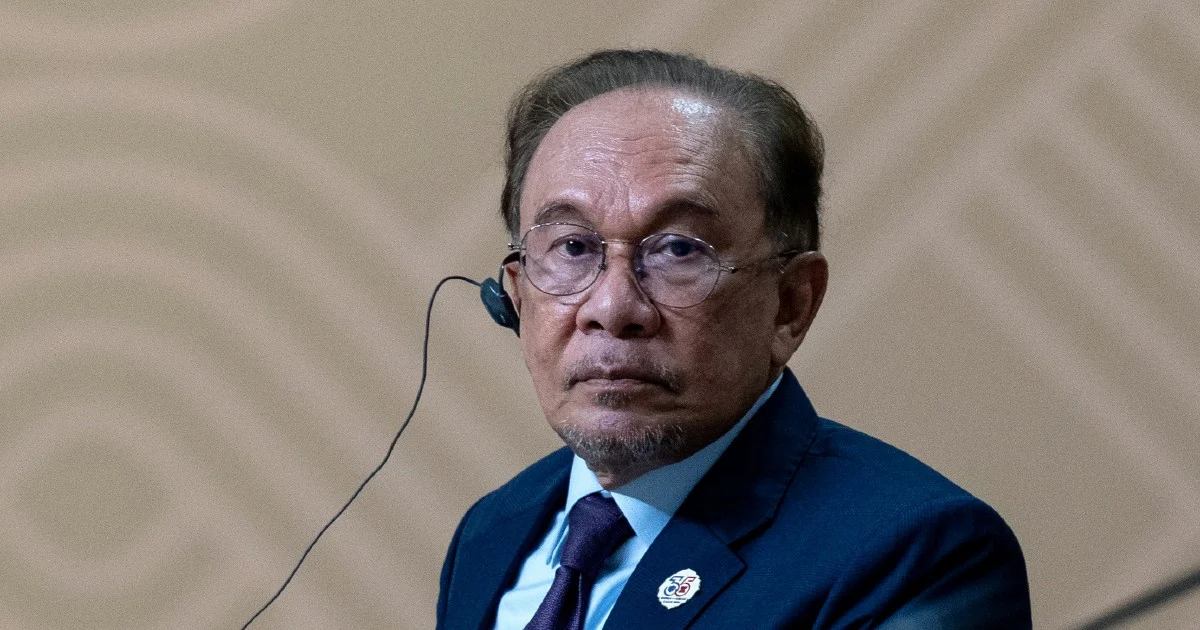
Malaysia's High Court has ruled in favour of Prime Minister Datuk Seri Anwar Ibrahim, excusing him from the obligation to appear as a subpoenaed witness in a RM30 million civil lawsuit filed against businessman Vinod Sekhar. The judicial decision, handed down in Kuala Lumpur, represents a significant development in the protracted dispute and provides Anwar relief from what would have been an unusual situation—requiring the nation's top political leader to participate in courtroom proceedings as a witness in an ongoing private dispute.
The Prime Minister's legal team had filed an application seeking to overturn an earlier court order that mandated his attendance as a witness in the case. The High Court accepted the arguments presented on his behalf, ultimately granting the relief sought. While the precise grounds cited by the court in reaching its decision were not fully detailed in available reports, such applications typically hinge on considerations of public interest, executive privilege, or the relative importance of the matter weighed against demands on the office holder's time and constitutional responsibilities.
Anwar's exemption from testimony underscores the practical complexities that arise when sitting heads of government become entangled in civil litigation. The demands of the Prime Minister's office—particularly in managing a multi-party coalition government and navigating Malaysia's complex political landscape—create substantial scheduling and operational challenges. Courts must balance the fundamental principle that all citizens, regardless of station, should contribute to the administration of justice against the equally important recognition that the nation's chief executive cannot be indefinitely tied up in personal litigation without compromising governmental function.
The case against Vinod Sekhar itself remains shrouded in relative obscurity regarding its underlying merits and the nature of the dispute. The RM30 million quantum suggests a substantial commercial or financial disagreement of considerable significance. Without fuller details about the plaintiff's identity or the factual background of the controversy, Malaysian observers are left with limited insight into what prompted the litigation or why Anwar's testimony was deemed necessary by the original court order that the Prime Minister then successfully challenged.
This outcome may have broader implications for future cases involving high-ranking government officials. The decision establishes precedent suggesting that Malaysian courts will consider the practical realities of office when evaluating subpoenaed testimony from those holding positions of state responsibility. However, this must be weighed carefully against concerns about accountability—any blanket exemption from legal process could theoretically enable senior officials to evade legitimate demands for evidence in cases where their testimony is genuinely material and dispositive.
The handling of this application also reflects the Malaysian legal system's ongoing evolution in balancing competing interests. Unlike some Commonwealth jurisdictions that have developed sophisticated doctrines around executive privilege and testimonial immunity, Malaysian jurisprudence continues to develop frameworks for addressing these questions. Each case contributes to a growing body of precedent that guides future determinations about when and how courts should accommodate the operational needs of government while preserving access to justice for private litigants.
For Anwar personally, the ruling removes a potential distraction during a period when his government faces substantial challenges. His administration has been navigating complex budget allocations, managing economic pressures, and attempting to build consensus across a fractious parliamentary coalition. The removal of this testimony obligation eliminates a potential source of embarrassment or unwanted public scrutiny that might accompany his appearance in a civil dispute, particularly one involving a businessman whose background and dealings with government or government-connected entities might have generated difficult questions or media attention.
Vinod Sekhar, as the defendant in the original action, may experience mixed consequences from this development. While Anwar's absence from the witness box removes a potential source of testimony that might have advanced the plaintiff's case, the legal proceedings otherwise continue. The defendant retains the opportunity to defend against the merits of the RM30 million claim through other available evidence and arguments. The case's ultimate resolution will depend on the strength of documentary evidence, other witnesses' credibility, and the legal arguments advanced by both parties' counsel rather than on any single individual's testimony.
The decision illustrates the pragmatic approach that Malaysian courts have generally adopted when confronted with applications from sitting government leaders. Rather than defaulting to absolute principles—either that no one is above the law and all must testify regardless of position, or that government officials enjoy blanket immunity from legal process—courts have typically conducted contextual analysis. They weigh the materiality of the witness's testimony, the availability of alternative evidence, the nature and importance of the legal proceeding, and the practical impact on governance before determining whether to enforce subpoenas.
Looking forward, this judgment may influence how future civil litigants assess their litigation strategy when contemplating whether to subpoena sitting ministers, the Prime Minister, or other high-ranking officials. The knowledge that courts are likely to excuse such individuals from testimony—particularly when their role is peripheral rather than central to the dispute—might incline lawyers to focus instead on documentary evidence, expert testimony, and other witnesses who can testify without raising similar concerns about governmental disruption.
The case also serves as a reminder of the substantial litigation landscape surrounding Malaysian business and political circles. Major civil disputes involving RM30 million stakes are not uncommon, but those reaching a stage where Prime Ministerial testimony is subpoenaed are sufficiently rare to merit attention. It suggests either that the plaintiff perceived Anwar's evidence as highly relevant to their case, or that the nature of the dispute intersected with areas where the Prime Minister possessed relevant knowledge or involvement.

