Parliament is set to receive a transformative proposal that could reshape the architecture of Malaysia's prosecution system, with the government preparing to table a Special Select Committee report advocating for the formal separation of the Attorney General and Public Prosecutor roles. The move represents one of the most significant institutional reforms undertaken by the current administration, driven by a conviction that untangling these positions will enhance the credibility and autonomy of the prosecution function within the Malaysian legal framework.
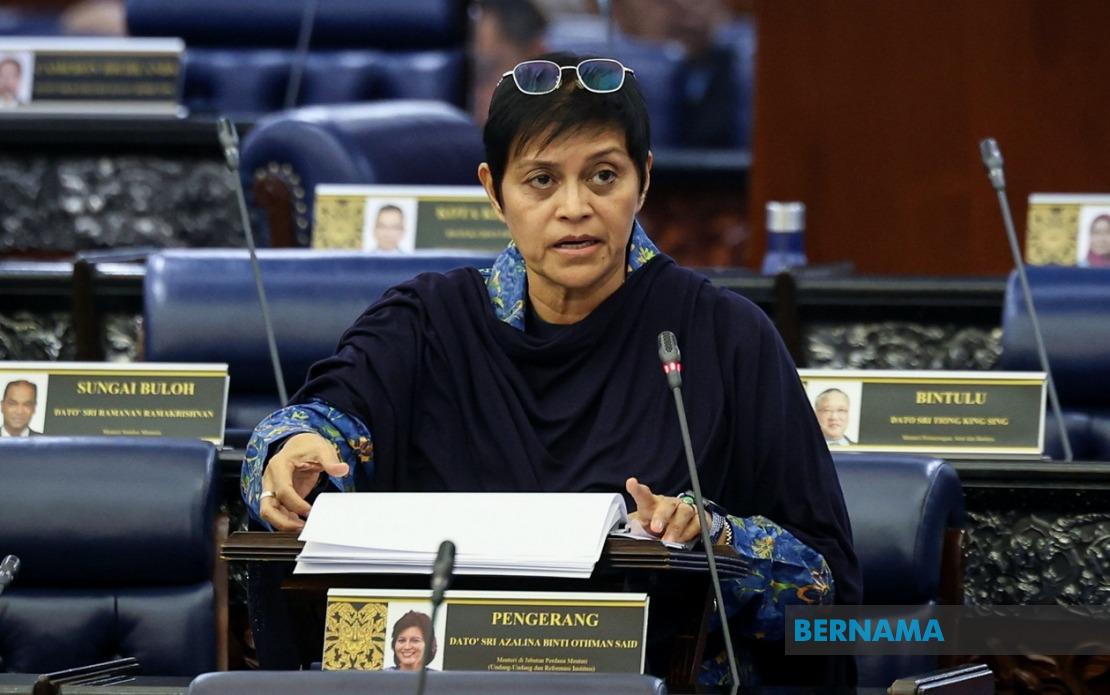
Minister in the Prime Minister's Department (Law and Institutional Reform) Datuk Seri Azalina Othman Said emphasised that this initiative exemplifies the government's dedication to reinforcing the rule of law and restoring public trust in Malaysia's judicial apparatus. The proposal emerges from extensive deliberation, with the Special Select Committee convening on seven occasions to formulate recommendations that address longstanding concerns about prosecutorial independence and accountability. By divorcing the roles, the government seeks to insulate the prosecution authority from potential political influence and bureaucratic pressure, a concern that has periodically surfaced in Malaysian legal discourse.
The committee's findings centre on seven principal reforms designed to fortify the Public Prosecutor's institution. These improvements collectively constitute a blueprint for transforming the prosecutorial body into a more autonomous, ethically grounded, and accountable entity. Beyond the headline separation, the recommendations encompass structural and procedural mechanisms that would fundamentally alter how Malaysia selects, governs, and oversees its chief prosecutor, establishing guardrails against the concentration of executive power that has historically characterised the arrangement.
Central to the overhaul is a reconceived appointment mechanism that strips the Prime Minister and Cabinet of direct influence over prosecutorial leadership. Instead, the proposed system vests selection authority in the Judicial and Legal Service Commission (SPKP), operating under a constitutional framework that mandates rigorous parliamentary scrutiny. The Yang di-Pertuan Agong would formally appoint the Public Prosecutor based on the commission's recommendation, a process that now incorporates a deliberative layer within Parliament itself, ensuring that legislative representatives retain meaningful oversight of this critical institution.
Under the constitutional amendment proposed for Article 145A, the SPKP would present candidate names to the Speaker of the Dewan Rakyat for evaluation by a House Select Committee. This parliamentary body would then conduct its own assessment before returning its recommendation to the commission, which could then advise the King accordingly. This tripartite mechanism—combining the commission's professional judgment, Parliament's democratic scrutiny, and the Crown's ceremonial authority—creates a sophisticated system of checks and balances that no single power centre can dominate.
Additionally, the reform package introduces a fixed seven-year term for the Public Prosecutor that cannot be renewed, a structural innovation designed to insulate the office holder from the temptation to curry favour with government leaders in pursuit of tenure extension. By establishing a defined, irrevocable tenure window, the reform encourages prosecutorial decision-making based on legal merit rather than political calculation. This temporal boundary also promotes institutional continuity by ensuring regular transitions and fresh perspectives within prosecutorial leadership.
The committee has further recommended codifying ethical standards through a dedicated Code of Ethics for Public Prosecutors, formalising expectations of integrity, impartiality, and professional conduct. Such codification transforms informal understandings into explicit, enforceable standards, providing both prosecutors and the public with transparent benchmarks against which institutional performance can be measured. This dimension reflects international best practices observed across common law jurisdictions that have similarly worked to strengthen prosecutorial independence.
Parliament would gain expanded legislative authority to buttress the Public Prosecutor's institution through additional statutory measures, a capacity that acknowledges the evolving nature of institutional reform and permits future adjustments as experience accumulates. This flexibility ensures that the separation of roles does not represent a fixed endpoint but rather a foundation upon which further improvements can be built through democratic deliberation and legislative process.
For Malaysian and Southeast Asian observers, this reform carries significance beyond domestic jurisprudence. Prosecutorial independence remains a focal point in assessments of judicial health across the region, with international bodies frequently evaluating whether prosecution systems operate free from improper political direction. Malaysia's explicit move to institutionalise such separation signals to regional and global audiences a commitment to strengthening democratic governance and judicial integrity, potentially influencing similar reform discussions in neighbouring jurisdictions grappling with analogous governance challenges.
The government's framing of this initiative emphasises that institutional reform extends beyond structural separation to encompass a deeper cultural shift toward transparency and public accountability. Officials have characterised the proposal as a legacy project designed to construct prosecution institutions capable of commanding confidence across generations, suggesting that the government views this not as a temporary expedient but as a foundational restructuring of Malaysia's justice architecture.
Practical implementation will depend on parliamentary approval and, potentially, constitutional amendment passage, processes that typically involve substantial legislative debate and procedural requirements. The tabling of the committee's report initiates a public dialogue about prosecutorial governance, inviting parliamentary members, legal professionals, civil society organisations, and the broader public to examine the proposals' merits and implications for Malaysia's institutional future.
The timing of this reform within the broader context of Malaysia's democratic trajectory appears deliberate, coinciding with a period when institutional accountability and good governance have assumed heightened salience in public discourse. By advancing prosecutorial independence as a cornerstone of the MADANI government's reform agenda, officials demonstrate responsiveness to documented concerns about justice system credibility and an appetite for structural transformation to address systemic vulnerabilities that have accumulated over decades of institutional development.

