A Hong Kong magistrate has handed down a four-month prison sentence to a 65-year-old repeat sex offender after he was convicted of groping a 17-year-old secondary school student aboard a crowded public bus. The case drew significant public attention after a bystander filmed the assault and circulated the footage on social media platforms, intensifying scrutiny of public safety and sexual harassment on public transport in the territory.
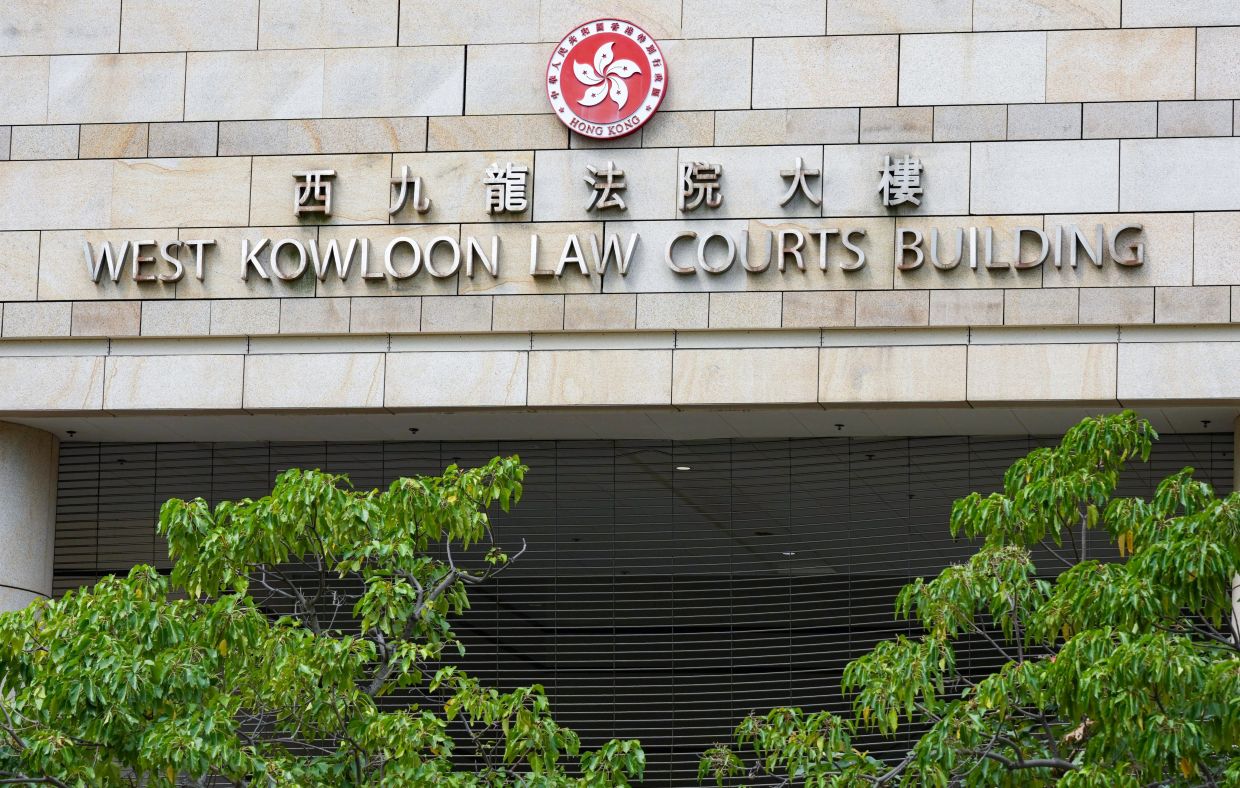
William Wu Yiu-shing, a former household hardware salesman, appeared before West Kowloon Court on Tuesday where he pleaded guilty to indecent assault. The offence occurred on the afternoon of June 5 when the victim, a Form Three student, was travelling on a KMB double-decker bus near the intersection of Mong Kok Road and Sai Yeung Choi Street South. At approximately 12.10pm, Wu positioned himself directly behind the seated teenager on the upper deck and initiated the assault, which was captured in a 37-second video showing him reaching forward with his left arm to touch the girl's chest.
The video evidence proved instrumental in the prosecution, revealing the brazen nature of the attack and Wu's apparent indifference to onlookers who attempted to verbally warn him from outside the bus. Despite these interventions, Wu continued the assault as the vehicle pulled away from the intersection. The incident highlights growing concerns about sexual harassment and the vulnerability of young commuters on public transport systems across Hong Kong and the region.
The victim's account to police revealed the psychological impact of the attack. She reported feeling her armpit touched for several seconds while also witnessing Wu attempting to grab her. Overwhelmed by fear and unable to respond in the moment, she fled directly to her home after alighting from the bus. Such reactions are characteristic of sexual assault survivors, particularly minors, who often experience shock and trauma that impedes immediate resistance or reporting.
Authorities demonstrated swift action in apprehending the suspect. Police arrested Wu later that same day at the Hong Kong-Zhuhai-Macau Bridge border checkpoint as he returned from Macau. Significantly, Wu admitted during interrogation that he had committed the offence to satisfy sexual desires, offering a candid acknowledgement of criminal intent. This confession, combined with the video evidence and the victim's testimony, formed the basis for his guilty plea before the court.
The sentencing takes on particular gravity given Wu's extensive criminal history in sexual offences. Prior to this conviction, Wu had accumulated three previous convictions for indecent assault, establishing a clear pattern of persistent predatory behaviour. Such a record typically aggravates sentencing considerations, as courts must balance rehabilitation potential against public protection and the deterrent effect of judicial outcomes. The magistrate's decision reflects the need to impose meaningful consequences while considering both individual and community safety.
During proceedings on Tuesday, Wu's duty lawyer presented mitigating factors in his client's favour. The lawyer emphasised that Wu had frankly acknowledged his wrongdoing and demonstrated awareness of the seriousness of his actions, including his previous offences committed in substantially similar circumstances. More significantly, the legal representative indicated that Wu had expressed willingness to undergo psychological treatment as part of a broader rehabilitation programme, suggesting openness to addressing the underlying compulsions driving his behaviour.
The criminal framework governing such offences provides courts with discretionary sentencing ranges. Indecent assault carries a maximum penalty of ten years' imprisonment under Hong Kong law, though cases heard in the magistracy, as this one was, carry a reduced cap of two years. The four-month sentence imposed falls well within this framework, suggesting the magistrate viewed Wu's guilty plea, cooperation with authorities, and willingness to undertake treatment as sufficiently mitigating to justify a sentence in the lower end of the range.
Wu has been held in remand since his prosecution formally commenced on June 8, meaning his time already spent in custody will be credited against the sentence. Based on standard early release provisions, he is anticipated to become eligible for early discharge within approximately one month. This timeline raises important questions about sentence length and deterrence, particularly among Malaysian and Southeast Asian observers concerned with consistent application of consequences for sexual offences.
The incident underscores systemic challenges facing public transport systems throughout East and Southeast Asia regarding passenger safety and sexual harassment prevention. Enhanced surveillance, trained staff protocols, and public awareness campaigns represent potential measures for deterring such behaviour and supporting victims. The case also demonstrates the role social media plays in ensuring accountability, as the viral video generated public pressure that likely accelerated investigation and prosecution timelines.
For Malaysian contexts, the case provides instructive lessons regarding sentencing approaches for repeat sexual offenders and the importance of balancing rehabilitation efforts with public safety imperatives. The Hong Kong outcome reflects judicial caution about lengthy incarceration for older offenders showing rehabilitation commitment, though critics may argue that protection of vulnerable commuters warrants stronger deterrence through more substantial penalties.

