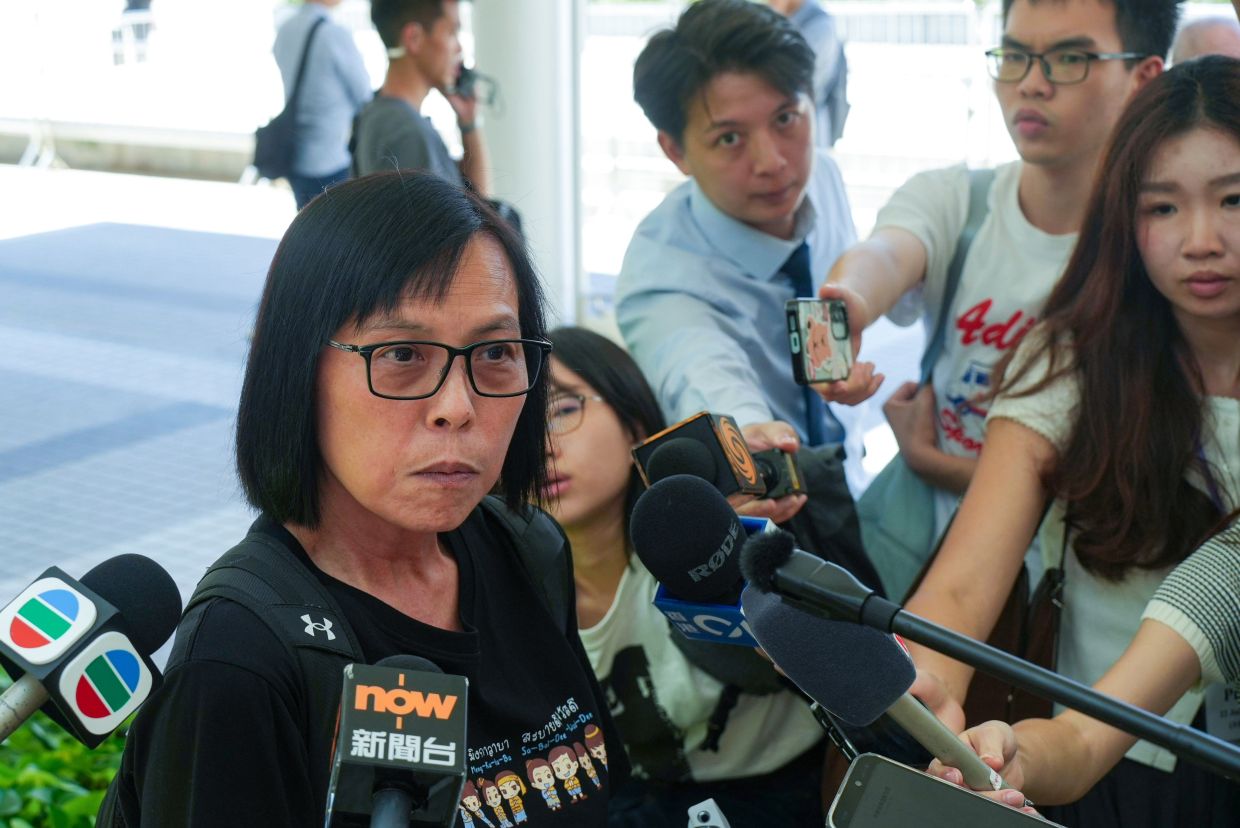
Survivors and observers of Hong Kong's deadly Wang Fuk Court fire face renewed uncertainty as the independent committee leading the investigation has opted not to seek statutory authority despite resumed hearings this week. The decision, announced by committee chairman Justice David Lok Kai-hong, means the inquiry will continue operating without the enhanced powers typically granted to formal statutory commissions of inquiry, raising questions about the scope and effectiveness of its examination into the tragedy.
The distinction between a statutory and non-statutory inquiry carries significant practical implications. A statutory commission of inquiry would grant the panel broader compulsory powers, including the ability to subpoena witnesses and documents, compel testimony under oath, and issue binding orders that carry legal weight. By contrast, the current independent committee structure relies on voluntary cooperation from witnesses and relies on moral rather than legal authority to enforce compliance. For survivors and their families seeking comprehensive answers about what caused the fire and whether safety failures contributed to the death toll, these limitations represent a potential shortfall in accountability mechanisms.
The inquiry resumed deliberations on Monday following a six-week adjournment, signalling that the investigation into last year's blaze remains active despite its non-statutory status. However, Justice Lok's announcement that the committee would not petition the chief executive to upgrade its powers suggests the leadership believes the current framework is sufficient to fulfil its mandate. This confidence may reflect either a conviction that witnesses are cooperating adequately or a calculation that seeking statutory status would complicate or delay the process further.
For those affected by the Wang Fuk Court fire, the absence of statutory authority compounds frustrations common to major disasters. Voluntary cooperation, while often forthcoming from government agencies and large institutions, can prove inconsistent when individuals or corporate entities resist scrutiny or claim proprietary concerns. The committee's inability to compel disclosure of internal communications, maintenance records, or design documentation could result in gaps in the factual record available to investigators and the public.
The decision also sits within Hong Kong's broader governance context, where independent inquiries have become a preferred mechanism for investigating major incidents rather than full statutory commissions. This approach offers flexibility and speed but trades these advantages for reduced institutional authority. Survivors' fears of inadequate scrutiny stem partly from awareness that without statutory powers, the inquiry's recommendations, however damning, carry persuasive rather than mandatory force. Future regulatory changes or prosecutions would depend on other authorities acting on the committee's findings.
Justice Lok's position suggests the committee believes its non-statutory status does not materially impede gathering relevant evidence or hearing from key witnesses. Government agencies, building owners, and contractors involved in construction or maintenance at the site may be predisposed to participate fully given public attention and reputational considerations. Yet the inquiry's experience over the coming weeks will test whether voluntary cooperation proves sufficient to address complex technical questions about structural integrity, safety compliance, and emergency response procedures.
The distinction carries particular weight in Hong Kong, where public confidence in official investigations fluctuates based on perceived independence and comprehensiveness. Residents of public housing like Wang Fuk Court, which serves lower-income residents, have historical reasons to scrutinise whether official inquiries adequately prioritise working-class safety concerns. The inquiry's reliance on voluntary cooperation without statutory backing may reinforce perceptions that such investigations lack teeth when challenging institutional failures.
For Southeast Asian observers, the Hong Kong approach offers a cautionary lesson about inquiry design following major disasters. Malaysia and other regional nations have conducted their own independent investigations into fires, building collapses, and transport accidents. The choice between statutory and non-statutory frameworks shapes not only the practical scope of investigation but also public perception of whether authorities are genuinely committed to uncovering uncomfortable truths. The Wang Fuk Court inquiry's limitations underscore how procedural choices can affect accountability regardless of the competence or integrity of investigators involved.
The resumed hearings this week will likely focus on technical and operational aspects of the fire's origin and spread. Witnesses including firefighters, building maintenance personnel, and safety inspectors may provide testimony addressing whether known hazards were overlooked or mismanaged. However, without compulsory powers, the committee cannot pursue evasive answers as forcefully as a statutory body could. Survivors' concerns about scrutiny gaps appear substantively grounded in the practical constraints non-statutory status imposes.
Looking forward, the decision may influence how future Hong Kong inquiries balance speed and flexibility against investigative thoroughness. While the Wang Fuk Court committee proceeds with its work, the precedent suggests a preference for lighter-touch investigations that avoid the formal machinery of statutory commissions. Whether this approach ultimately satisfies survivors and the public will depend substantially on the quality of voluntary cooperation received and the comprehensiveness of findings the committee reaches despite its limited powers. For now, however, the absence of statutory authority represents a tangible constraint on the investigation's ability to compel full disclosure from all relevant parties.

