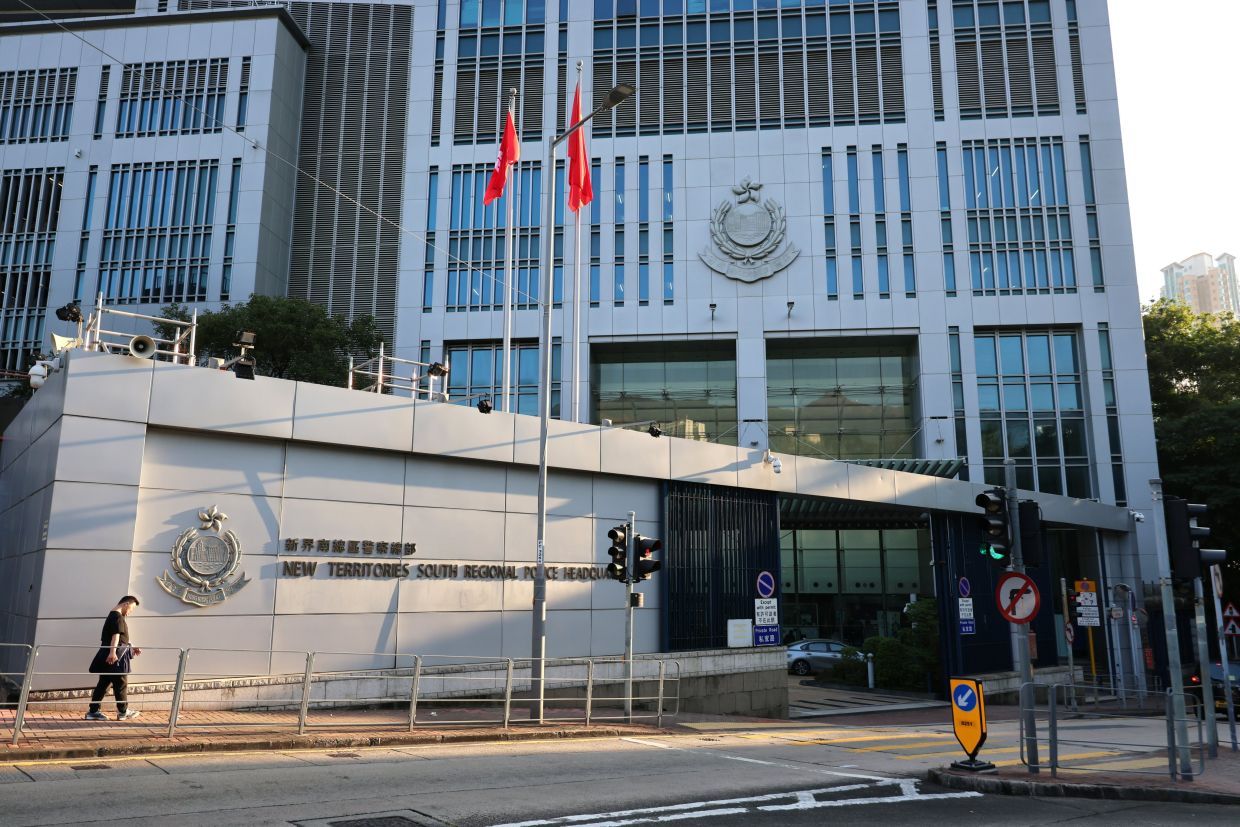
A serving Hong Kong police officer has been formally charged with misconduct in public office following allegations that he sent sexually inappropriate messages and images to the acquaintance of a person under investigation. The 32-year-old constable, attached to the Kwai Tsing police district, was detained on August 20 by officers from the New Territories South regional crime unit, according to a police statement issued Thursday.
The incident emerged during the course of an unrelated criminal investigation that commenced in May of the previous year. According to authorities, the officer exploited his access to case information to contact a female friend of one of the suspects and subsequently transmitted indecent text messages and photographic material to her phone. The impropriety represented a significant breach of professional boundaries and raised concerns about potential abuse of official position for personal purposes.
The woman targeted by these communications came forward to report the officer's behaviour to police later that same month, initiating a formal inquiry into his conduct. Her complaint triggered an internal investigation that ultimately led to the decision to prosecute. This timeline suggests that police authorities took several months to complete their inquiries before moving to formal charges, reflecting the thoroughness required in cases involving serving officers.
The formal charge carries considerable weight within Hong Kong's legal framework, as misconduct in public office encompasses a broad spectrum of violations where officers abuse their authority or betray public trust. This charge category has historically been employed in cases ranging from corruption to unlawful harassment, and conviction can result in substantial penalties. The officer is scheduled to make his first court appearance in Sha Tin Court on Friday, where bail and other procedural matters will be determined.
In response to the case, the Hong Kong Police Force released a statement emphasising its commitment to maintaining professional standards among its workforce. A police spokesman stressed that the organisation takes officer conduct extremely seriously and declared that the force would not countenance unlawful behaviour of any kind. This public messaging reflects the police leadership's awareness that such incidents can significantly damage public confidence in law enforcement institutions and their legitimacy.
Meanwhile, the officer in question has been removed from active duties pending the outcome of court proceedings. This suspension is standard practice when serious allegations are brought against serving officers, ensuring that those facing criminal charges do not continue to exercise official authority. The measure also protects the integrity of ongoing police operations and demonstrates institutional commitment to accountability.
The incident highlights broader concerns about the conduct of some members of law enforcement who may misuse access to confidential information or exploit their position of authority to contact individuals they encounter through their work. In Hong Kong's context, where public trust in institutions has become increasingly contested, high-profile cases involving police misconduct carry significant political and social implications. Such episodes can fuel perceptions that the force prioritises protecting its own over maintaining genuine professional standards.
For Malaysian observers, this case underscores challenges that law enforcement agencies across the region face in managing internal discipline and preventing abuse of power. Misconduct by individual officers—particularly when involving harassment of civilians—can erode public confidence in police forces even when institutions respond appropriately. The Hong Kong Police Force's stated commitment to serious consequences for unlawful behaviour may provide a useful benchmark for regional policing standards.
The case also illustrates how investigations into one matter can reveal separate wrongdoing by officers involved in the process. What began as an investigation into an unidentified May incident led to the discovery of the officer's inappropriate communications, demonstrating that institutional oversight mechanisms can sometimes operate effectively when complaints are properly documented and pursued. Whether this case results in conviction and what sentence a court may impose will likely influence public perceptions of police accountability in Hong Kong going forward.

