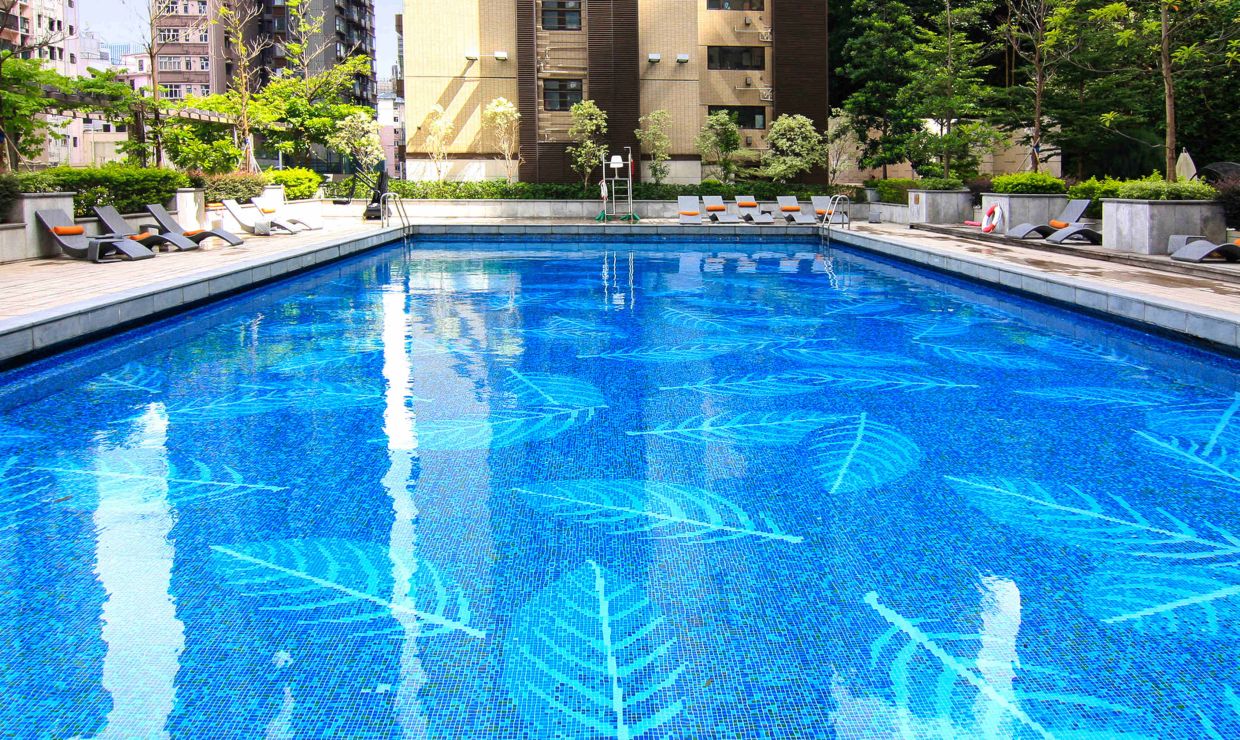
Hong Kong authorities have moved swiftly to close a swimming pool in the upmarket Happy Valley neighbourhood after uncovering evidence that a duty lifeguard was operating with fraudulent qualifications. The decision by the Food and Environmental Hygiene Department (FEHD) underscores growing concerns about safety standards at private aquatic facilities across the territory, where oversight has intensified following several compliance breaches in recent years.
The closure order affecting the licensed facility at 1-5 Ventris Road, located within the Winfield Building residential complex, came after routine credential verification exposed significant irregularities in the lifeguard's documentation. When FEHD officials submitted a batch of lifeguard records to the Hong Kong China Life Saving Society for authentication on Wednesday, the society's findings revealed that the attendant's qualifications did not align with official records maintained by the certifying body. This mismatch triggered immediate regulatory action.
According to a government spokesperson, the discovery left the pool without the legally mandated minimum number of properly qualified lifeguards required to operate. Under Hong Kong's Swimming Pools Regulation, facilities must maintain sufficient certified life-saving attendants during all operating hours to ensure patron safety. The inability to meet this fundamental requirement necessitated the immediate shutdown, preventing further public access to the venue until compliance could be restored.
The enforcement action has extended beyond simple closure directives. FEHD confirmed it is actively considering prosecution against the pool's licensee for breaching operational requirements, while simultaneously referring the suspected use of fraudulent documents to police for criminal investigation. Additionally, the Property Management Services Authority has been notified to pursue any relevant regulatory matters within its jurisdiction, suggesting a coordinated multi-agency response to what appears to be a deliberate attempt to circumvent safety requirements.
For Malaysian readers and regional observers, this incident reflects the sort of compliance gaps that occasionally surface in Hong Kong's otherwise tightly regulated environment. The jurisdiction's approach—combining swift enforcement action with thorough investigation—offers instructive contrast to how such breaches might be handled across Southeast Asia, where enforcement consistency sometimes proves more variable. The incident also highlights how credential fraud in safety-critical positions can compromise public protection regardless of how sophisticated a regulatory framework appears on paper.
The enforcement emphasis reflects substantial regulatory tightening introduced over the past eighteen months. Beginning in May of last year, private pool licensees were explicitly required to examine identity documents before hiring lifeguards and maintain copies of employees' Pool Lifeguard Awards and personal logbooks. Duty rosters must now be authenticated and countersigned by both the lifeguards themselves and designated inspecting staff appointed by the licensee. These procedural requirements were introduced specifically to prevent the type of credential manipulation uncovered at the Happy Valley facility.
The scale of FEHD's verification efforts demonstrates the resource commitment now directed toward private pool oversight. Between January and July this year alone, officers conducted approximately 7,000 inspections across more than 1,400 licensed private pools, examining the qualifications of around 2,100 individual lifeguards. This intensive checking regime has already yielded results, as another suspected case of unqualified lifeguard deployment was identified last year shortly after the enhanced regulatory measures took effect. The pattern suggests that tighter verification protocols are effectively catching previously undetected violations.
The regulatory escalation appears driven by genuine safety concerns rather than bureaucratic overreach. Unqualified or fraudulently credentialed lifeguards represent a tangible public health risk, particularly given the unpredictable nature of aquatic emergencies. A lifeguard lacking proper training in rescue techniques, water safety assessment, and emergency medical response could prove catastrophically inadequate during a genuine drowning or medical incident. The FEHD's determination to prosecute the licensee and refer the matter to police signals that such lapses will not be treated as mere administrative oversights.
Moving forward, FEHD has signaled plans to further intensify its surveillance posture. The department intends to substantially increase unannounced inspections and spot checks during the approaching peak swimming season, when higher facility usage increases both the stakes of inadequate staffing and the likelihood of detection. This proactive approach contrasts with reactive enforcement and suggests authorities view the current credential fraud case as symptomatic of potential systemic vulnerabilities across the private pool sector.
The incident raises implicit questions about why a licensee would resort to employing a lifeguard with dubious credentials. Possible explanations range from cost-cutting measures to difficulty recruiting adequately qualified staff, yet neither justification diminishes the safety implications. For property management companies and residential estate operators across Hong Kong and the broader region, the case illustrates that regulatory compliance in safety-critical domains demands meticulous documentation and verification procedures that cannot be safely delegated or deprioritised.
The Happy Valley closure also reflects broader questions about credential verification in Hong Kong's services sector. If a private facility's management failed to properly vet swimming pool lifeguard certifications, it raises whether comparable gaps exist in other safety-sensitive roles. The FEHD statement did not clarify whether the lifeguard himself deliberately submitted false documents or whether institutional negligence at the licensee level failed to detect red flags during hiring. Resolving this distinction will likely inform enforcement focus going forward.
For residents and regular swimmers in Hong Kong's private estate communities, the incident provides reassurance that regulatory authorities respond decisively when safety violations surface. The multi-pronged enforcement response—closure, prosecution consideration, police referral, and agency coordination—sends a clear message that credential fraud will trigger serious consequences. As the regulatory environment continues tightening, private pool operators throughout the territory can expect increasingly rigorous verification requirements and frequent unannounced compliance checks.

