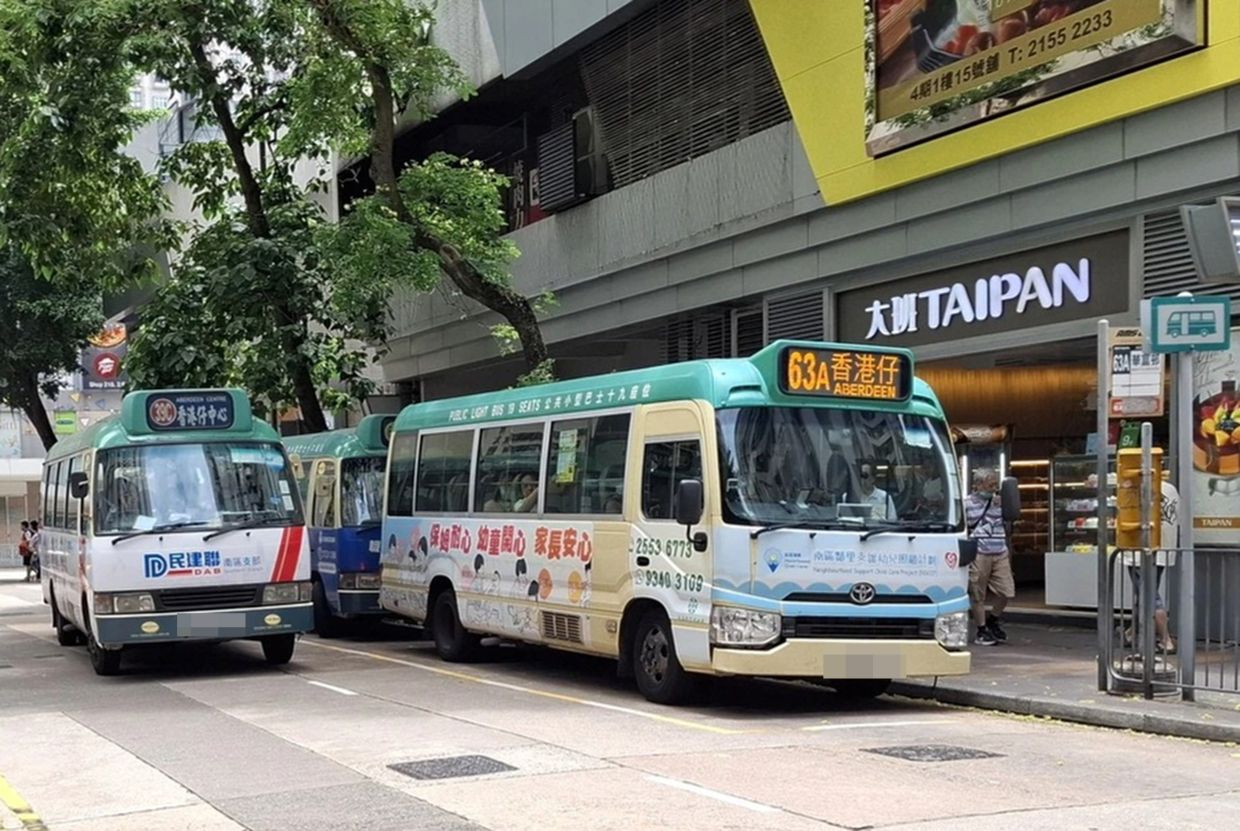
A Hong Kong woman faces murder charges after what began as a trivial disagreement between two strangers aboard a packed minibus descended into a fatal physical assault on the streets of Aberdeen. The 50-year-old suspect was formally charged following the death of a 53-year-old passenger whose life was claimed by injuries sustained during the escalating confrontation on Tuesday evening.
Police received an emergency call at 10:30 p.m. as officers rushed to Wah Chui House at Wah Fu (II) Estate, where they discovered the victim lying unconscious at the minibus stop. She was transported to Queen Mary Hospital in Pok Fu Lam but was pronounced dead just minutes after arrival at 11:22 p.m. The incident has rattled the public transportation sector, raising fresh questions about passenger safety and de-escalation protocols on Hong Kong's extensive minibus network.
According to Senior Superintendent Hui Hong-kit, the assistant Western district commander for crime, the dispute originated from an accident rather than malice. The victim had stepped on the suspect's foot as both prepared to disembark from the vehicle along minibus route 63A, which operates between Aberdeen Centre and Wah Fu (II) Estate. Rather than the matter ending there, the suspect reciprocated by stepping on the victim in return, triggering an immediate escalation of tension between the two previously unacquainted passengers.
What unfolded next was an extended physical altercation that consumed several minutes of brutal violence. The pushing and shoving began inside the minibus before continuing onto the pavement outside the stop, with witnesses describing a chaotic scene that drew the attention of other passengers and bystanders. Investigators determined that the suspect pinned the victim to the ground, knelt directly on her abdomen, and maintained a stranglehold around her neck for approximately two to three minutes, causing the victim to lose consciousness and ultimately succumb to her injuries.
Forensic examination of the victim's body revealed extensive trauma consistent with the assault. Distinctive bruising marked her neck where the suspect had applied pressure, while scratches across her hands and face suggested she had struggled to defend herself during the prolonged attack. The medical evidence would become critical to prosecutors building their murder case against the detained suspect.
Information from sources close to the investigation suggests the situation may have been more volatile than the initial account. According to witnesses interviewed, the dispute intensified after the victim kicked the suspect's foot a second time while still aboard the minibus. Upon reaching the stop, the victim reportedly physically dragged her assailant off the vehicle, prompting the suspect to attempt a retaliatory kick. This escalating pattern of aggression appeared to trigger an uncontrolled response, with the suspect becoming increasingly agitated before committing the fatal assault.
Police apprehended the suspect at 10:42 p.m. when she returned to the scene of the incident and voluntarily admitted to engaging in the physical confrontation with the victim. Her swift apprehension and confession would streamline the charging process, though detectives continued to gather statements from multiple witnesses who had observed the violence unfold. A 25-year-old man among the passengers made the emergency call that alerted authorities to the developing tragedy.
Criminal investigators reclassified the case from a routine public place altercation to murder, underscoring the severity of the suspect's actions and their fatal consequences. The Western district crime squad assumed primary responsibility for the investigation, conducting interviews with passengers and bystanders who witnessed the extended assault. Notably, despite the public nature of the incident and the presence of multiple onlookers, no individual intervened to separate the combatants or seek immediate medical assistance for the victim during the critical period when she was losing consciousness.
Additional context regarding the victim emerged during police inquiries. Hui revealed that the deceased woman had previously experienced mental health difficulties, a detail that may have contributed to her actions during the initial confrontation, though it played no role in explaining the suspect's disproportionate response. The revelation highlighted how unpredictable human behaviour on crowded public transportation can become, particularly when passengers are already navigating physical and emotional challenges.
The suspect was scheduled to make her initial court appearance before Eastern Court on Friday morning, where the formal murder charge would be presented before a magistrate. The case has drawn considerable attention within Hong Kong's legal and transportation sectors, as it exemplifies how rapidly minor infractions can transform into serious criminal incidents. Public concern has mounted regarding passenger conduct standards, the adequacy of security measures aboard minibuses, and whether the transportation industry requires enhanced training for drivers in de-escalation techniques.
For Malaysian readers familiar with the challenges of congested public transportation systems throughout Southeast Asia, the case serves as a sobering reminder of how quickly tensions can spiral in crowded vehicles. The incident underscores broader regional concerns about passenger behaviour, conflict resolution, and the vulnerability of minibus operators and fellow travellers to sudden violence. The case also raises questions about whether improved lighting, surveillance systems, and emergency protocols might prevent similar tragedies from occurring in the future across Hong Kong and other urban centres throughout Asia.

