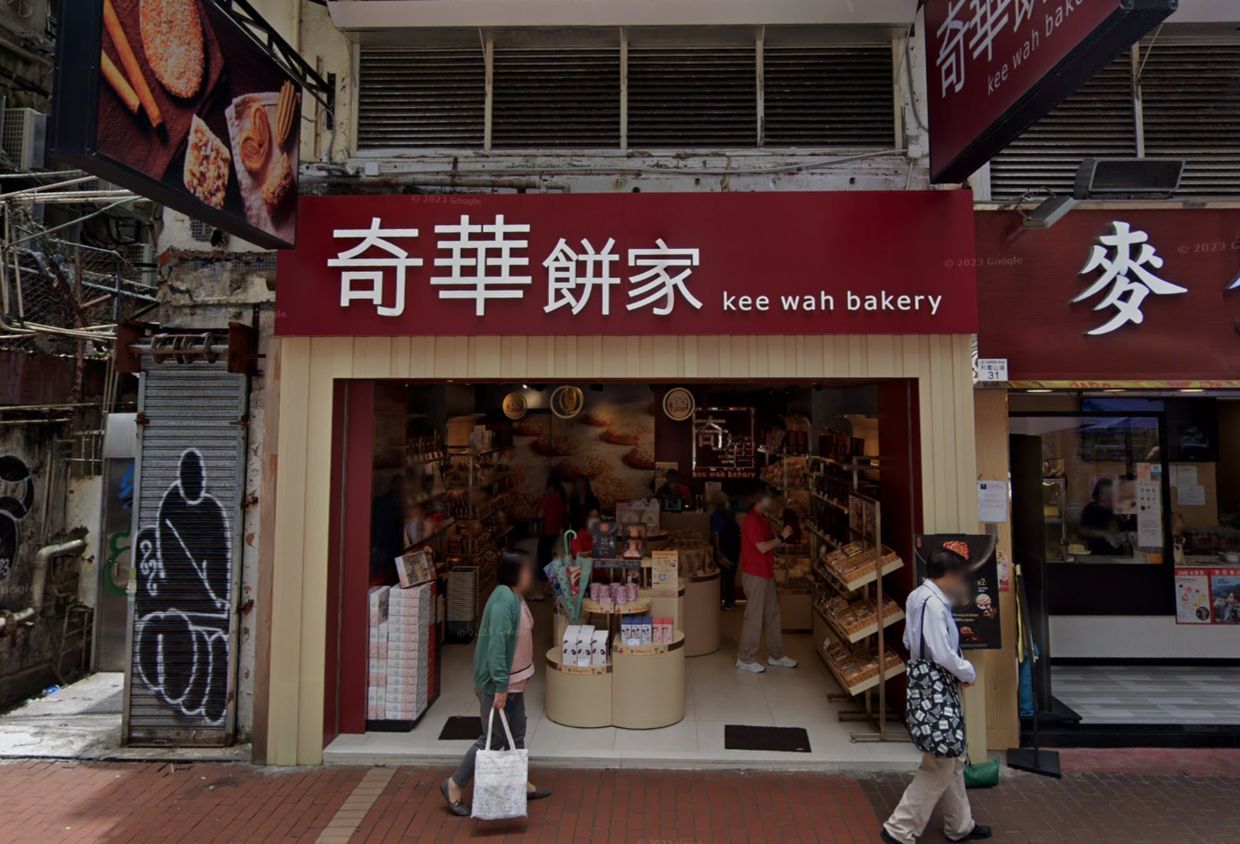
A significant cybersecurity incident has struck one of Hong Kong's most recognisable bakery brands, raising fresh alarm about the vulnerability of consumer-facing businesses to organised digital attacks. Kee Wah Bakery announced on Tuesday that its internal network had fallen victim to a ransomware assault, days after the company first detected system irregularities on Friday. The discovery has triggered formal scrutiny from Hong Kong's privacy authorities and underscores the mounting threat that ransomware campaigns pose to retail operations across Asia—a segment often seen as less security-hardened than financial or technology sectors.
The bakery's preliminary investigation revealed that attackers had penetrated systems housing a diverse range of sensitive information spanning multiple stakeholder categories. At stake are personal records of the company's workforce, alongside data identifying business partners and collaborators across supply chains. The breach also threatens details held on online store customers and those enrolled in the chain's mobile application loyalty programme. This layered exposure illustrates how modern ransomware operations cast wide nets, potentially compromising not just direct consumers but the entire ecosystem orbiting a targeted organisation.
Despite days of forensic review, Kee Wah Bakery has been unable to determine conclusively whether any information was actually exfiltrated by the attackers before their systems were locked or encrypted. The company stated that verification of what data, if any, was accessed or copied remains an ongoing process. This uncertainty typifies many ransomware scenarios, where victims face a fog of investigation even after containing immediate threats. Attackers often claim to possess stolen files as leverage for payment demands, yet proving what was genuinely taken proves technically demanding and time-consuming.
The company has engaged external cybersecurity professionals to shore up its defences and conduct comprehensive system repairs and maintenance. These remediation efforts aim to prevent recurrence and restore normal operations across the bakery's digital infrastructure. Kee Wah Bakery has also begun a systematic notification campaign, reaching out to impacted employees, customers, and commercial partners to advise them of the incident and recommend protective steps. The company reassured stakeholders that financial information was not compromised, noting that no payment card details or credit data transited the affected systems.
In a statement reflecting corporate accountability messaging, the bakery pledged to prioritise personal data protection going forward and committed to a thorough overhaul of its cybersecurity posture. Management said it would implement any enhancements recommended by the external security experts now assisting with the investigation. Such commitments, while standard practice following breaches, highlight the gap between the security standards many retailers currently maintain and the evolving threat landscape they now face.
Hong Kong's Office of the Privacy Commissioner for Personal Data, the region's regulatory guardian for data protection, moved quickly to demand comprehensive details about the incident. The watchdog specifically requested information about the scale of exposure—how many individuals were affected—and clarification on the categories of personal information potentially at risk. This regulatory engagement signals that Hong Kong authorities view the matter with appropriate seriousness, even as final damage assessment remains incomplete. The agency's scrutiny may ultimately shape how Kee Wah Bakery and peer organisations calibrate their data governance frameworks.
The bakery disclosed that it had filed formal reports with both the privacy commissioner and Hong Kong police on Sunday, three days after discovering the initial malfunction. This prompt regulatory notification reflects both legal obligation and tactical necessity; engaging authorities early can sometimes influence how investigations proceed and may provide some protective harbour against certain liability claims. The police involvement suggests that authorities are treating the case as a potential criminal matter rather than a purely civil data protection issue.
For regional business observers, the Kee Wah Bakery incident carries instructive lessons about cybersecurity preparedness across Southeast Asia. Established retailers—the bakery was founded in 1938 and operates a significant manufacturing facility in Hong Kong's Tai Po district—often inherit legacy systems and networks that were never architected with modern threat scenarios in mind. As these institutions modernise through digital commerce platforms and customer data collection mechanisms, the security foundations often lag behind capability expansion.
The timing and nature of ransomware campaigns targeting consumer brands in this region reflects broader patterns in the threat landscape. Attackers increasingly favour supply chain-adjacent targets because such organisations hold valuable personal data yet often command smaller security budgets than financial institutions or major technology companies. A bakery chain operating online shops and mobile apps represents an attractive intermediate target—valuable data at a lower defensive capability.
Kee Wah Bakery advised customers and employees to implement straightforward but essential protective measures: remain cautious about unsolicited communications, particularly calls that might exploit the breach news to deceive victims into disclosing further information, and proactively update passwords across important digital accounts. These recommendations, while basic, address the secondary exploitation risks that frequently follow data breaches, where criminals attempt to leverage disclosed information to gain deeper access to victim accounts or identities.
The incident reflects a broader vulnerability affecting retail and hospitality sectors across Asia, where growth in digital customer engagement has outpaced investment in security infrastructure. Malaysian retailers, food service operators, and similar businesses should view this case as a cautionary example of how quickly modern supply chains can become attack surfaces. The convergence of customer databases, supplier systems, employee records, and payment infrastructure means that any operational network penetration potentially threatens multiple constituencies simultaneously.
As investigations progress and the Office of the Privacy Commissioner assesses the incident's scope, Kee Wah Bakery's experience will likely influence how peer organisations approach cybersecurity governance. The company's willingness to communicate transparently, though legally mandated, may help rebuild consumer confidence. Yet the broader implication is that retail and food service businesses throughout the region face mounting pressure to evaluate whether their current security postures adequately protect the expanding volumes of personal data they collect and hold.

