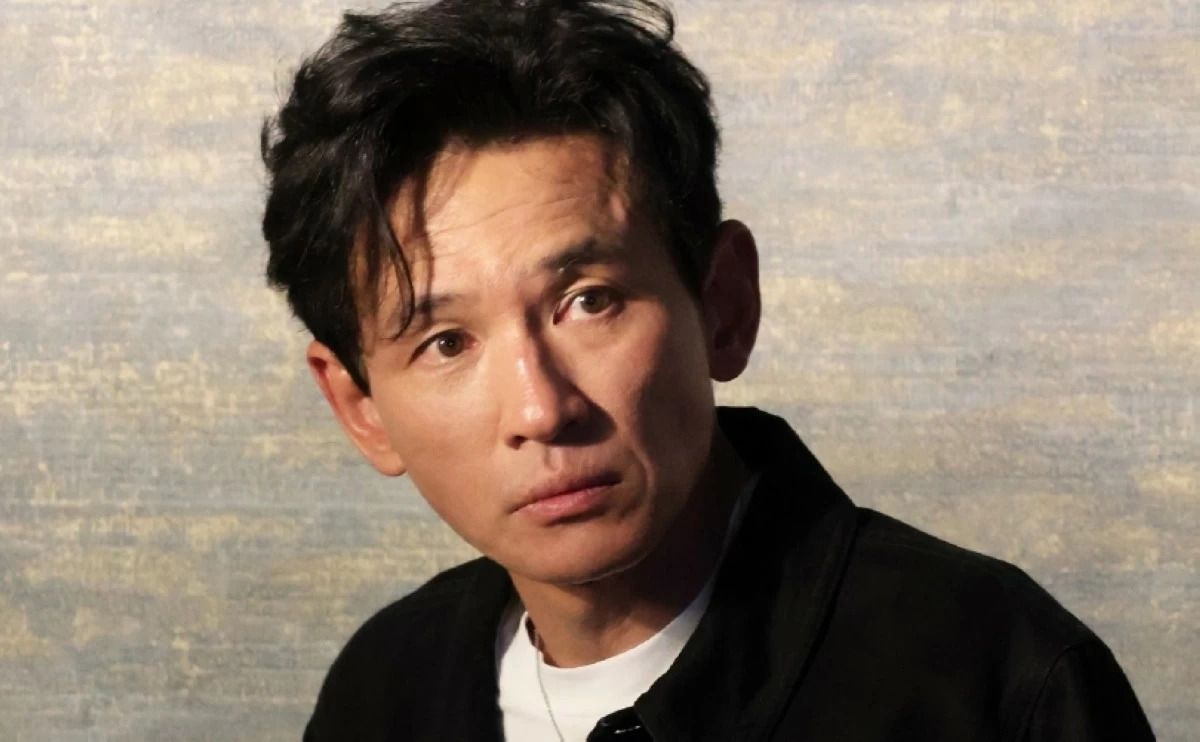
South Korean actor Hwang Jung-min's management agency has firmly rejected claims that the 55-year-old star conducted an extramarital affair, instead characterizing the accuser as a criminal stalking suspect engaged in a long-running harassment campaign. The agency's rebuttal on July 29 came after the woman posted allegations on social media, accompanied by what she claimed were text messages, photographs, and an audio recording of the actor. The company announced plans to pursue additional legal remedies against her and called the posted materials "maliciously edited."
The controversy highlights the growing challenge faced by high-profile celebrities in the era of digital accusations and social media amplification, where unverified claims can spread rapidly before facts are established. In Hwang's case, the agency has presented a counternarrative grounded in court proceedings, claiming the accuser has been the subject of multiple legal interventions. The restraining orders imposed by courts, combined with a fine of three million won (approximately RM8,525), suggest judicial authorities have already found merit in protecting the actor from the woman's conduct.
According to the agency's statement, Hwang filed a criminal complaint against the woman in 2025, triggering the legal machinery that has resulted in three separate restraining orders. The repeated judicial interventions underscore the pattern of behavior the agency attributes to the accuser, positioning her actions as systematic rather than isolated. The financial penalty imposed through summary order—a streamlined legal procedure for minor offenses—indicates that a judicial officer reviewed the evidence and found sufficient grounds to sanction the woman's behavior.
The accuser's decision to contest the fine and request a formal trial suggests she intends to pursue her allegations further through the legal system. She has also filed a civil suit against Hwang seeking damages, indicating she is pursuing multiple legal avenues simultaneously. This layered legal strategy reflects either a firm conviction in her claims or a determined effort to maintain public pressure on the actor, depending on one's perspective of the dispute's veracity.
Hwang's agency notably stopped short of definitively stating whether the audio recording itself was genuine, instead focusing on the characterization of the materials as "maliciously edited." This careful phrasing leaves open the question of whether portions of communications occurred but were taken out of context, or whether the entire recording is fabricated. The distinction matters considerably for understanding the nature of the alleged harassment and the credibility of the accuser's core claims.
The actor has been married since 2004 to Kim Mi-hye, a South Korean musical and theatre producer who heads SEM Company, the very management agency that issued the denial statement. This dual relationship—wife as both spouse and professional manager—creates an integrated personal and business structure that likely influences how the actor's team responds to public allegations. The agency's vigorous defense may reflect both marital loyalty and institutional self-protection.
Hwang has established himself as one of South Korean cinema's most bankable stars, headlining multiple blockbusters that have generated substantial box office returns. His prominence in the industry means that reputational damage from affair allegations, if widely believed, could impact future casting decisions and audience reception. This commercial dimension may partly explain the agency's aggressive legal posture in response to the accusations.
The actor is currently involved in Na Hong-jin's action thriller featuring fellow South Korean talents Zo In-sung and Jung Ho-yeon, alongside Hollywood actors Michael Fassbender and Alicia Vikander. The film's imminent international release in Singapore on September 10 adds timing significance to the scandal, as the allegations could potentially affect promotional activities and audience perception during a critical commercial window.
For Malaysian and Southeast Asian observers, this dispute illustrates broader tensions within the South Korean entertainment industry regarding privacy, celebrity accountability, and the weaponization of social media platforms in personal disputes. The case also demonstrates how allegations can circulate widely before judicial systems have determined their veracity, creating a parallel court of public opinion that operates according to different evidentiary standards than formal legal proceedings.
The agency's emphasis on the accuser's legal status as a "stalking suspect" is strategically significant, as it reframes the narrative from one about the actor's alleged infidelity to one about criminal harassment and credibility. By highlighting her history of restraining orders and fines, the management company attempts to shift focus from the substance of the affair allegations to the character and legal vulnerability of the accuser herself.
The matter remains unresolved through definitive judicial determination, as the accuser's contested fine and ongoing civil suit suggest prolonged legal proceedings ahead. The regional entertainment industry will likely monitor how South Korean courts ultimately adjudicate both the criminal stalking allegations and the civil damages claim, as the outcome could establish precedent for handling similar disputes involving celebrities and their accusers.
Meanwhile, Hwang's professional commitments continue undisturbed, with international film projects proceeding as scheduled. The separation between the legal controversy and his career trajectory reflects either confidence that his name will be cleared or the entertainment industry's capacity to compartmentalize personal scandals from commercial operations.

