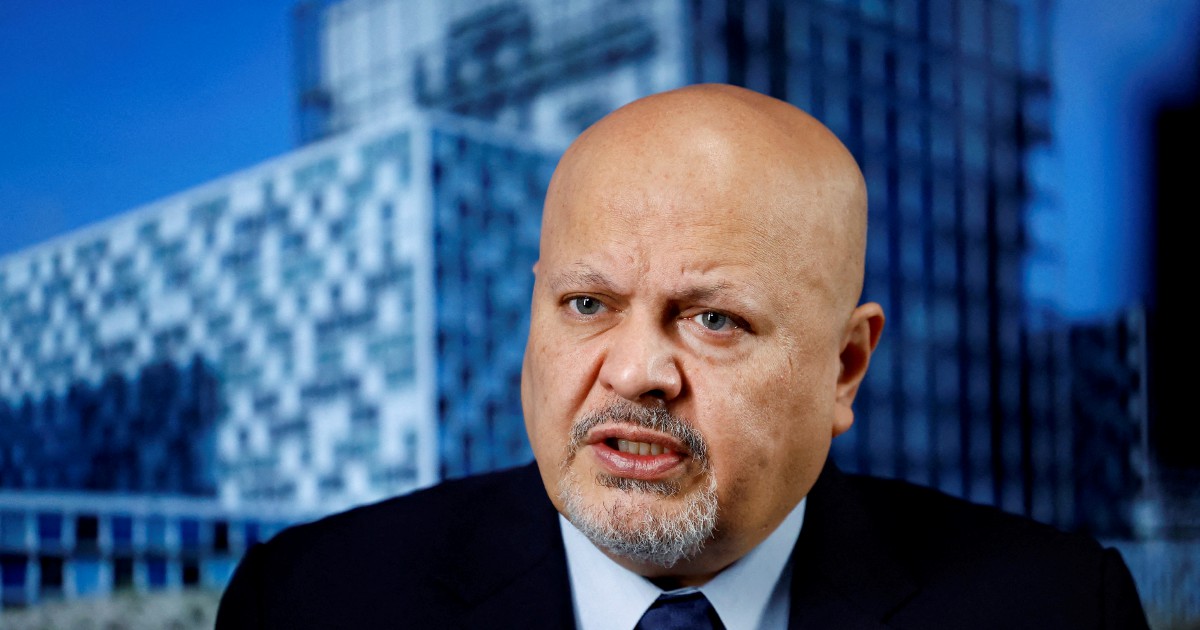
The International Criminal Court finds itself in unprecedented turmoil as its chief prosecutor, Karim Khan, confronts allegations that could fundamentally alter the trajectory of the global justice institution. The 51-year-old British lawyer, who gained international prominence by securing arrest warrants against Russian and Israeli leaders in contentious circumstances, now faces claims that could define his legacy as much as his most celebrated prosecutorial achievements. The convergence of these two narratives—Khan's remarkable judicial victories and the serious misconduct allegations against him—reveals deepening fractures within an organisation already strained by political pressures and competing interests among member states.
Khan's prosecutorial record has proven both celebrated and controversial. His decision to pursue arrest warrants against Vladimir Putin for alleged war crimes in Ukraine and against Israeli leaders Benjamin Netanyahu and Yoav Gallant for conduct in Gaza represented momentous decisions that elevated the ICC's prominence globally. These moves demonstrated Khan's willingness to operate beyond the constraints that typically govern international criminal justice, where powerful nations often escape institutional accountability. Yet these same decisions generated fierce backlash from geopolitical powers, accusations of selective justice, and allegations that Khan had overreached his mandate.
The emergence of misconduct allegations has compounded the institutional strain. According to reported accounts, Khan faces allegations from staff members regarding inappropriate conduct and assault, claims that strike at the heart of the ICC's legitimacy as a guardian of international law and human rights. An institution built on the foundation that no one—regardless of power or position—should escape accountability for serious crimes now confronts questions about whether its own leadership adheres to the standards it imposes on others. This contradiction threatens to undermine the moral authority that the ICC requires to function effectively in an increasingly fragmented global system.
The timing of these revelations has complicated matters considerably. Khan's arrest warrants against Russian and Israeli officials remain significant developments, but the allegations against him create questions about whether he can effectively lead ongoing prosecutions while managing a personal crisis. The ICC operates through consensus and cooperation, relying on state parties to enforce its decisions and provide institutional support. When the prosecutor's credibility comes into question, the entire edifice of international criminal justice becomes vulnerable to accusations of hypocrisy and double standards.
For Malaysia and other Southeast Asian nations, the situation carries particular significance. The ICC's effectiveness depends on the legitimacy of its processes and the integrity of those who lead it. Nations like Malaysia, which have grappled with questions of international justice and war crimes, have stakes in maintaining confidence in global accountability mechanisms. A weakened ICC, discredited by internal misconduct, diminishes the available tools for addressing serious crimes and protecting civilian populations from abuse.
The allegations have prompted serious discussions about institutional reform within the ICC. Current and former staff members have reportedly corroborated various claims, suggesting a pattern of behaviour rather than isolated incidents. This accumulation of evidence has raised questions about workplace culture at the highest levels of the institution and whether adequate oversight mechanisms exist to monitor the prosecutor's conduct. The Office of the Prosecutor, one of the ICC's most powerful entities, had operated with relative autonomy, creating structural vulnerabilities that allowed misconduct to persist unchecked.
The political dimensions of this crisis add another layer of complexity. Countries that opposed Khan's arrest warrants have seized upon the allegations as validation of their criticism, arguing that the prosecutor's judgment had been compromised even as he pursued politically sensitive cases. Conversely, supporters of the Gaza and Ukraine investigations contend that the allegations, while serious, should not overshadow the importance of his prosecutorial work. This polarisation mirrors the larger geopolitical divisions that have fractured the ICC itself, with member states increasingly divided along ideological and strategic lines.
The institutional response to these allegations will reveal much about the ICC's capacity for internal accountability. The organisation must navigate a treacherous path between defending itself against external pressure and genuinely investigating serious misconduct. Any perception that the ICC is protecting Khan to preserve institutional face would confirm the worst suspicions about its impartiality. Conversely, moving too hastily to remove a prosecutor in the midst of high-profile cases could create accusations of interference in judicial independence.
For the broader international justice project, the stakes extend beyond one individual's tenure. The ICC represents an ambitious attempt to build a permanent institution capable of addressing crimes that matter most to the international community. Yet institutions are only as strong as those who lead them, and the conduct of leadership matters profoundly to their legitimacy. Khan's situation demonstrates that good intentions and important prosecutions cannot substitute for personal integrity and respect for institutional norms.
The investigation into these allegations must be thorough, credible, and transparent. Member states, civil society organisations, and the international community must monitor how the ICC handles this crisis. The outcome will signal whether the institution can genuinely uphold the rule of law in its own house, or whether it remains subject to the same patterns of impunity and selective accountability that characterise the international system it seeks to reform.
Regionally, Southeast Asian nations should watch closely how this situation develops. The ICC's credibility affects the broader architecture of international justice and the mechanisms available to address atrocities. A compromised ICC benefits those who resist international accountability, while a reformed and reinvigorated institution strengthens the possibility of justice for victims of serious crimes throughout the world.

