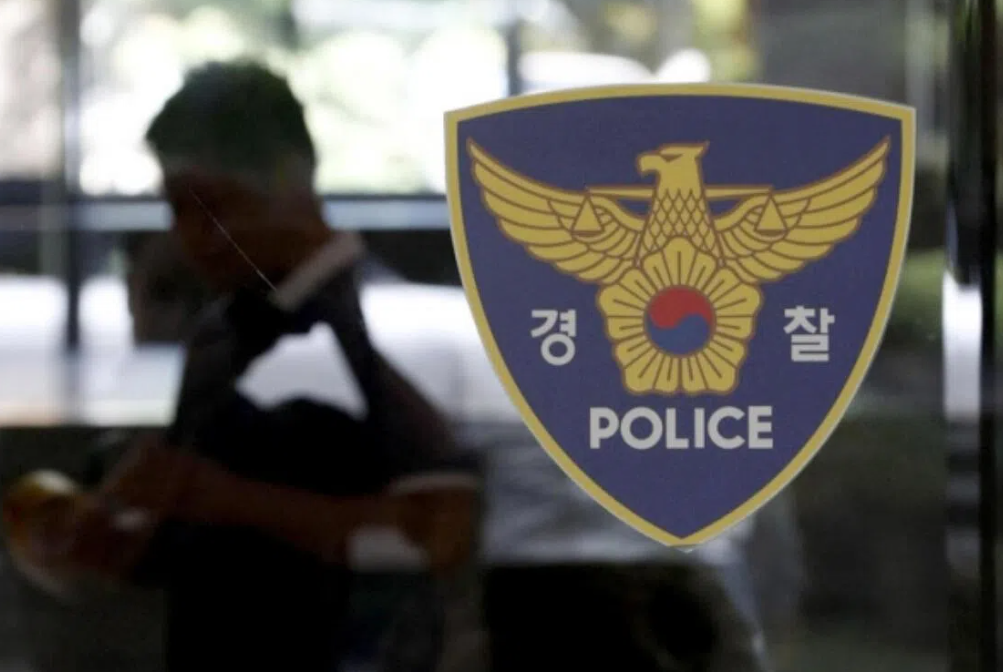
A female police officer in Incheon, South Korea, faces formal criminal investigation following a tragic incident in which her patrol vehicle struck and killed a woman she had been dispatched to assist. The Michuhol Police Station confirmed on Friday that the officer, who is in her 20s, has been accused of causing death through a traffic accident. The fatal collision occurred at approximately 12.45am on July 3, when the officer was responding to a report of a woman in her 60s who had collapsed on a roadway.
The circumstances surrounding the incident paint a picture of how quickly emergency situations can become catastrophic. Police records show that the officer had been sent to the location following a citizen's report indicating that an elderly woman required immediate assistance. Upon arriving at the scene, the officer operated her patrol car in the area where the collapsed individual was located. However, during this response, the vehicle struck the woman, resulting in injuries that proved fatal. The officer subsequently informed investigating authorities that she had not observed the victim at the moment of impact.
Environmental conditions at the time appear to have played a significant role in the tragedy. Authorities have noted that the accident occurred during the early morning hours when visibility was severely compromised by darkness. The collision took place at a section of road near a left turn, creating additional challenges for drivers navigating the area. These factors suggest that despite the officer's dispatch to help, the combination of poor lighting and road geometry may have prevented her from detecting the woman's presence in time to avoid contact.
The investigation into the incident has proceeded methodically, with officials at the Michuhol Police Station undertaking a comprehensive review of available evidence. Investigators plan to examine surveillance footage captured at the scene to reconstruct the events leading to the collision. This video analysis is expected to provide crucial details about sight lines, vehicle speed, and the precise positioning of both the officer's vehicle and the victim at the moment of impact. Such documentation will inform subsequent investigative steps and potentially determine whether charges beyond the current traffic accident accusation should be considered.
Authorities have indicated that the question of whether to pursue an arrest warrant remains under deliberation pending the completion of this technical analysis. The decision will likely hinge on findings regarding whether the officer exercised reasonable care during the emergency response and whether her actions constituted negligence of a degree sufficient to warrant enhanced criminal charges. South Korean law distinguishes between accidents and culpable conduct, and investigators must determine into which category this incident falls.
Notably, a police sergeant who occupied the passenger seat during the incident is unlikely to face any disciplinary action or legal consequences. Officials determined that the passenger officer bore no responsibility for the collision, as the driver alone controlled vehicle operation. This distinction underscores that culpability in such cases typically centers on the direct operator's actions and decisions.
The incident raises significant questions about police protocols during emergency responses in challenging environments. Emergency dispatch procedures often require officers to proceed to scenes with limited information, and this case illustrates the inherent risks that can arise when responding personnel must operate vehicles in conditions with reduced visibility. The tragedy highlights a tension inherent in emergency response systems: the imperative to reach those in need quickly must be balanced against the safety considerations that protect both responders and the public.
For Malaysian observers, this incident resonates with ongoing discussions within the region about police procedures, officer training standards, and accountability mechanisms. Southeast Asian police forces routinely face similar operational challenges when responding to emergencies in urban environments, particularly during night hours when visibility is compromised. The Incheon incident demonstrates the critical importance of comprehensive officer training programmes that emphasize defensive driving techniques, particularly during emergency calls in low-visibility conditions.
Moreover, the case underscores the value of institutional transparency and accountability frameworks. The Incheon police department's decision to conduct a thorough investigation and consider surveillance footage reflects best practices in police accountability. Such processes build public confidence in law enforcement by demonstrating that even serious incidents involving officers themselves are subject to rigorous scrutiny. This approach contrasts with systems where such matters might be handled with less transparency.
The broader implications extend to how emergency response systems balance competing priorities. Dispatch centres must weigh the urgency of reaching individuals requiring assistance against the risks that rapid responses in poor conditions may generate. Training programmes for emergency responders across the region might benefit from examining this case as a cautionary example, emphasizing hazard awareness and vehicle control techniques suited to challenging environmental circumstances.
As the investigation progresses, the findings will likely influence discussions within South Korean police leadership regarding operational procedures during night-time emergency responses. Whether through enhanced visibility protocols, modified dispatch procedures, or additional training requirements, agencies may implement changes designed to prevent similar tragedies. For regional law enforcement agencies observing the case's outcome, the investigation's conclusions may similarly inform policy development aimed at improving both emergency response effectiveness and public safety.

