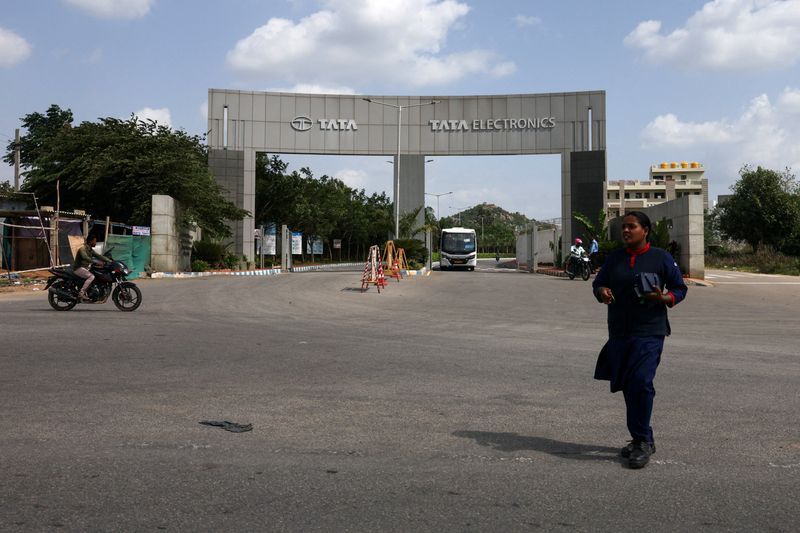
India's Ministry of Electronics and Information Technology has confirmed it is investigating a serious data breach at Tata Electronics, one of Apple's primary manufacturing partners in the country, following the exposure of sensitive information about the company's unreleased iPhone 18 Pro. S. Krishnan, the ministry's IT secretary, made the government's first public statement on the incident on Thursday, acknowledging that authorities are actively looking into the breach. The case has been formally referred to India's Computer Emergency Response Team, the nation's lead agency for managing cybersecurity threats and computer-related emergencies, signalling the seriousness with which New Delhi is treating the matter.
The compromised data represents a significant security lapse with potentially far-reaching implications for Apple's product development and market strategy. Documents posted on the dark web by an unidentified ransomware group include detailed component lists, supplier directories, and photographs of the unreleased iPhone 18 Pro handsets. These materials contain information that Apple typically guards with extreme care, revealing the identities of specific manufacturers producing particular components for the new flagship devices. Such supplier details are not part of Apple's publicly available supplier responsibility database, underscoring how closely the company controls access to this intelligence. At least six files have been identified containing this exposure, each layer of the breach potentially providing competitors or bad actors with valuable insights into Apple's manufacturing ecosystem and supply chain vulnerabilities.
Tata Electronics occupies a crucial position in Apple's global manufacturing operations, and the breach threatens the delicate balance of trust and security that underpins one of the world's most sophisticated supply chains. Apple has painstakingly built a network of suppliers spanning multiple continents, each contributing specialized components to the final product. The arrangement requires unprecedented levels of confidentiality and coordination, with suppliers bound by stringent non-disclosure agreements. A breach of this magnitude undermines Apple's ability to maintain operational secrecy and raises serious questions about Tata Electronics' cybersecurity protocols and whether they meet the exacting standards expected of an Apple partner.
The timing of the breach adds another layer of concern for Apple's product launch calendar. The company is scheduled to unveil the iPhone 18 Pro and iPhone 18 Pro Max models in September, and the premature disclosure of design details, component specifications, and supplier information could influence market expectations and competitive responses. Manufacturers and analysts now have detailed blueprints of the new devices several months before the official announcement, potentially dampening the impact of Apple's marketing campaign and allowing rival companies to accelerate their own product development strategies in response.
This incident is not isolated to Apple, indicating a broader threat to India's position as a manufacturing hub for globally significant technology companies. Tata Electronics has confirmed that the same ransomware group has also stolen and published confidential documents from Tesla, Qualcomm, and TSMC, suggesting either a highly coordinated campaign targeting the global semiconductor and electronics supply chain or a systemic vulnerability affecting multiple major companies. The breadth of the attack demonstrates that Indian manufacturing facilities, despite being attractive to multinational corporations due to lower costs and skilled labour, may face elevated cybersecurity risks compared to operations in other countries.
In response to the breach, Tata Electronics has taken immediate remedial action by engaging an international forensic investigation firm to conduct a comprehensive audit of its systems. This forensic examination is essential for understanding the scope of the breach, identifying exactly which systems were compromised, determining how long unauthorised access persisted, and establishing what additional data may have been exfiltrated without public disclosure. The forensic process will also provide Tata with recommendations for strengthening its security infrastructure and implementing better controls to prevent similar incidents in future.
For Malaysia and other Southeast Asian nations with growing electronics manufacturing sectors, this incident carries important lessons about the cybersecurity investments and protocols required to support multinational technology partners. As companies like Apple, Tesla, and other major tech firms expand their manufacturing footprint across Southeast Asia in response to geopolitical diversification strategies and supply chain resilience concerns, ensuring robust cybersecurity becomes critical to remaining competitive as a manufacturing destination. Countries that fail to meet stringent security standards risk losing manufacturing contracts to alternative locations.
The breach also highlights the inherent tensions in India's strategy to position itself as a major manufacturing alternative to China through schemes like Production Linked Incentive programmes. While India has successfully attracted significant investments in electronics manufacturing, these high-profile security lapses could undermine confidence in the country's ability to protect sensitive intellectual property and maintain the confidentiality that multinational corporations demand. Rebuilding that trust will require not only individual company remediation but also broader improvements in how India's cybersecurity infrastructure addresses threats targeting critical manufacturing partners.
From a regulatory perspective, this incident may prompt Indian authorities to strengthen cybersecurity requirements for companies serving as suppliers to major multinational corporations. The Ministry of Electronics and Information Technology may consider implementing mandatory security standards, regular audits, and disclosure requirements for suppliers working with foreign technology companies. Such measures could establish India as a secure manufacturing jurisdiction but would also impose compliance costs on domestic companies competing for contracts.
The broader implications for Apple extend beyond the immediate reputational and competitive concerns. The company faces potential liability issues if customers or competitors argue that the breach compromised their interests. Additionally, Apple may need to revise its supplier vetting processes and ongoing monitoring protocols to ensure that partners maintain adequate cybersecurity standards. The Cupertino giant could also face shareholder questions about whether it adequately assessed and managed cybersecurity risks in its supply chain before selecting or continuing to work with Tata Electronics.
For consumers and investors, the incident raises questions about product security and the vulnerabilities that exist in how flagship devices are developed and manufactured. The exposure of iPhone 18 Pro details does not directly compromise the security of currently deployed iPhone models, but it does illustrate how manufacturing partners represent potential weak points in even the most carefully managed supply chains. This reality is particularly relevant for Southeast Asian consumers who increasingly purchase premium smartphones and expect their devices to be protected by state-of-the-art security measures throughout development and production.

