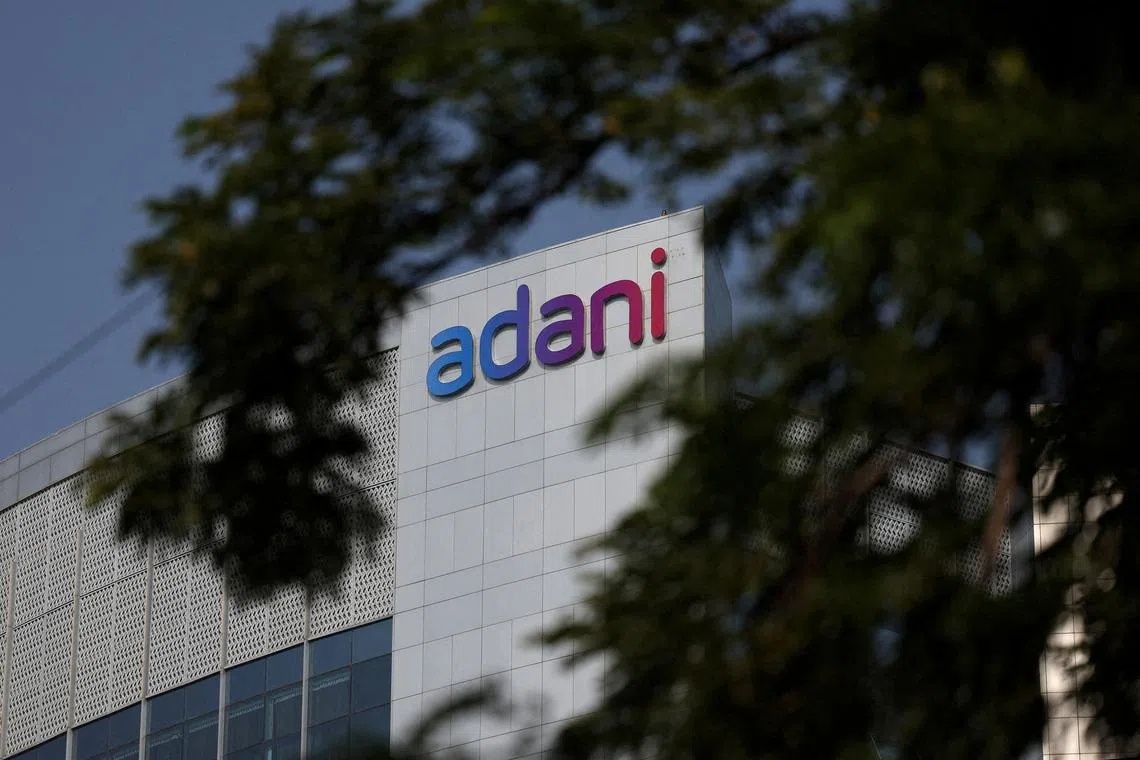
India's customs authorities have moved to reinforce the country's health ministry position in an escalating regulatory battle with the Adani Group over nicotine pouch sales at its duty-free airport retail outlets. The customs department submitted legal arguments to Mumbai's High Court asserting that tax exemptions granted to duty-free shops do not shield them from complying with domestic health and consumer protection laws. This development marks a significant expansion of government opposition to the billionaire Gautam Adani's business operations in what has become a closely watched legal contest with broader implications for how India regulates emerging nicotine products.
The confrontation began in March when health ministry inspectors descended on Adani's Mumbai international airport and determined that nicotine pouch sales there violated Indian law. Adani Group subsequently mounted a legal challenge to this ruling, with the case now being adjudicated in Mumbai's High Court. In its June 22 filing to the court, India's customs authority explicitly rejected what it characterised as a misreading of duty-free shop regulations, stating that "the concept of goods being 'outside customs frontiers' for taxation purposes does not grant immunity from regulatory controls." This statement directly contradicts Adani's central argument in the dispute.
Adani's legal strategy has hinged on the claim that retail locations in the international departure area of airports operate beyond the jurisdiction of India's domestic regulations. In a July 13 court submission reviewed by Reuters, the group further contended that the regulatory challenge lacked procedural validity because customs authorities had issued instructions to cease sales without providing the formal warning notice customarily required before enforcement action. The company has presented this alleged procedural failing as grounds to invalidate the entire government action against its operations.
The group has advanced a secondary legal argument resting on the technical specifications of duty-free commerce. Adani has maintained that nicotine pouches sold in duty-free shops are legitimately sold on the basis of international norms stipulating that such products must be placed in sealed containers and remain sealed until passengers depart Indian territory. Under this interpretation, the company suggests that consumption within India is not the intended purpose of these sales, thereby placing them outside the scope of domestic health regulations. Customs authorities have swiftly demolished this reasoning, characterising it as "untenable" and pointing out the practical reality that once passengers take possession of duty-free goods at their point of purchase, they retain complete freedom to consume them immediately, sealed packaging notwithstanding.
Nicotine pouches represent one of the world's fastest-expanding categories within the broader nicotine products market, gaining significant consumer traction across numerous countries. However, these products remain unapproved for sale in India under current health regulations, placing the country's stance in sharp contrast to more permissive regulatory environments elsewhere. For perspective on the commercial appeal of these products, Philip Morris International has reported that its flagship Zyn brand experienced explosive growth in the United States market, with sales doubling between 2023 and the following year, demonstrating the substantial consumer demand these products command in open markets.
Adani's interest in nicotine pouches must be understood within the context of his broader airport retail expansion strategy. The conglomerate currently operates eight airports across India and is pursuing an ambitious 11 billion dollar infrastructure development program that explicitly prioritises the expansion and modernisation of duty-free retail offerings. Duty-free retail operations represent a high-margin business segment for airport operators, and emerging product categories like nicotine pouches attract affluent, internationally-minded consumers. According to reporting by Reuters, since August Adani's enterprises have imported multiple brands including Zyn and White Fox from Swedish Smokeless Solutions, with documented imports exceeding 35,000 dollars in value, indicating serious commercial intent behind the retail operations.
The timing and persistence of Adani's legal challenge suggests the company views this dispute as consequential for its larger commercial ambitions. By arguing that duty-free shops operate in a regulatory grey zone, the company is attempting to establish a precedent that would allow it to stock products in these outlets regardless of their approval status in India. Should Adani prevail, the implications would extend far beyond nicotine pouches, potentially affecting how duty-free retail operates across Indian airports more broadly. Conversely, if Indian courts uphold the government's position, it would signal that regulatory oversight applies uniformly to all retail operations, including those claiming duty-free status.
The customs department's intervention adds institutional weight to the health ministry's position and suggests coordinated government strategy in opposing Adani's stance. When multiple regulatory agencies align against a major corporate player, it typically indicates both the seriousness with which government views the matter and confidence in the legal position being advanced. The involvement of customs authorities particularly strengthens the regulatory case because these officials possess direct oversight responsibility for goods crossing India's borders and entering duty-free zones.
For Malaysia and other Southeast Asian nations, this dispute carries instructive value regarding how governments might structure regulatory responses to emerging consumer products that arrive through commercial and trade channels. India's approach demonstrates that regulatory frameworks can be applied consistently across different retail channels, and that tax or trade privileges do not automatically extend immunity from health-focused regulations. As nicotine pouches and similar products expand into Southeast Asian markets, policymakers in the region may reference India's legal positioning when crafting their own regulatory responses.
The case is scheduled for its next hearing on July 28, at which point the court will likely signal its preliminary assessment of the competing legal arguments. The outcome remains uncertain, though the customs department's forceful written submission suggests government confidence in the strength of its regulatory authority. How India's judiciary resolves this tension between trade privileges and health regulation will have precedential significance not only for Adani's operations but for the broader question of how duty-free retail can be regulated in an era of emerging products that challenge established regulatory categories.

