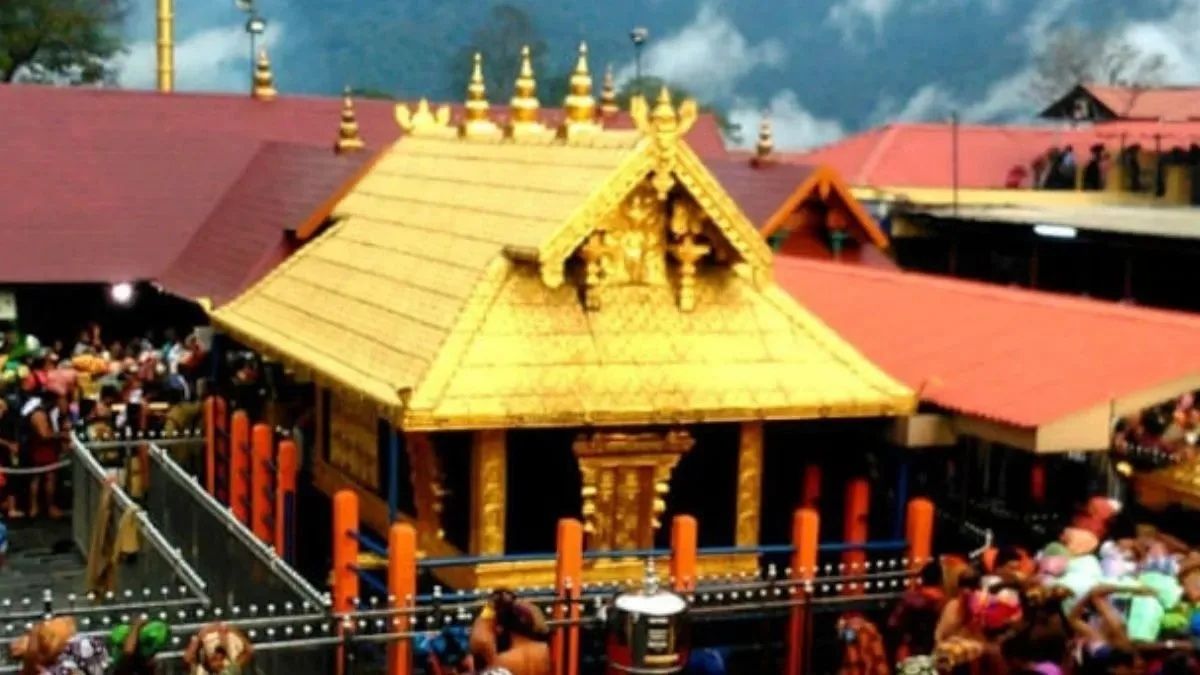
A major breakthrough in one of India's most high-profile temple theft investigations came on Monday when the Special Investigation Team filed its report before the Kerala High Court, formally accusing eight individuals including former Travancore Devaswom Board president PS Prashanth of orchestrating a complex gold misappropriation scheme at the Sabarimala temple. The SIT's findings reveal an alleged conspiracy that operated across multiple years, involving high-ranking temple administrators and private business figures who allegedly worked in concert to strip valuable gold cladding from sacred Dwarapalaka guardian deity idols.
The accused named in the SIT report represent a mix of administrative authorities, temple officials, and external contractors. Beyond the late former Executive Officer Murari Babu, the list includes PS Prashanth in his capacity as former board president, Sabarimala Thantri Kandaru Rajeevaru in his role as chief priest, sponsor and key facilitator Unnikrishnan Potty, Chennai-based Smart Creations proprietor Pankaj Bhandari, TDB member A Ajikumar, and Thiruvabharanam Commissioner Rajilal. The breadth of the accused list underscores how deeply the investigation suggests the conspiracy penetrated institutional structures meant to protect the temple's sacred valuables.
Central to the SIT's case is the allegation that the 2025 replating initiative was deliberately designed to conceal an earlier and far more substantial theft that occurred in 2019. According to the investigation, the Dwarapalaka idols were initially transported to Chennai six years prior, ostensibly for restoration work. However, the SIT alleges that during this process, the original thick layer of gold applied in 1998 was systematically removed and replaced with a significantly thinner gold coating, with the substantial quantity of removed gold being misappropriated. This constitutes not merely a theft but an alleged conspiracy to systematically devalue sacred temple property over an extended period.
The ingenuity of the alleged crime lay in its attempt to obscure the initial theft through layered deception. The accused allegedly issued a fraudulent 40-year quality warranty certificate to deflect suspicion and provide false credibility to the work performed. Yet this strategy proved short-lived when the inferior gold plating deteriorated rapidly within months, exposing the copper base beneath and alerting temple authorities to irregularities. Rather than allowing this discovery to trigger immediate scrutiny, the SIT alleges that key figures orchestrated a second transportation of the idols to Chennai in 2025, framing it as routine replating to mask the earlier transgression.
The SIT's investigation uncovered evidence suggesting that documentation systems were deliberately manipulated to conceal the true nature and value of the transported artifacts. Official transit permits allegedly contained descriptions of the highly valuable gold-clad Dwarapalaka idols as simple "copper plates," a misrepresentation designed to bypass mandatory judicial procedures and evade scrutiny from higher authorities. This administrative sleight of hand would have allowed movement of precious temple property without triggering the oversight mechanisms theoretically in place to prevent exactly such occurrences.
The role of PS Prashanth in facilitating the scheme allegedly became more active after he assumed the TDB presidency, according to the SIT's findings. The investigation claims that Unnikrishnan Potty, a sponsor with significant influence in temple affairs, cultivated the trust of the newly appointed board president and subsequently championed the fresh replating proposal ostensibly to remedy the deteriorating condition of the idols. However, the SIT contends that this proposal was actually designed to provide cover for addressing the damage and discrepancies stemming from the 2019 operation, thereby eliminating evidence of the alleged original theft.
The significance of this case extends beyond the immediate financial loss, as it raises fundamental questions about institutional accountability within major Hindu temple administration in India. The Travancore Devaswom Board, responsible for managing some of the most prominent temples in Kerala including Sabarimala, operates with substantial autonomy in managing temple assets and finances. The alleged involvement of board officials at multiple levels suggests potential systemic vulnerabilities in how temple valuables are monitored and protected, issues that carry implications for similar institutions across India managing precious religious artifacts.
The Kerala High Court, having reviewed the substantial evidence presented by the SIT, granted permission for registration of a fresh criminal case against PS Prashanth and the other accused specifically regarding the 2025 replating operation. The court's decision indicates that the SIT has presented sufficient prima facie evidence to warrant formal criminal proceedings while maintaining judicial oversight of the investigation's progression. Notably, the court instructed the SIT to proceed according to law if additional evidence emerges against any accused, including the possibility of filing supplementary charge sheets as the investigation develops.
The SIT simultaneously informed the court that investigations into the Sreekovil sanctum sanctorum doorframes have been completed with final charge sheets filed, while requesting additional time to conclude the remaining examination related to the Dwarapalaka idols. This staged conclusion of different investigation components suggests a methodical approach to building comprehensive cases against multiple accused across distinct components of the alleged conspiracy. The extension granted by the court provides the investigating agency with the necessary latitude to ensure thoroughness rather than rushing to premature closure.
For observers of temple administration across South Asia, the Sabarimala case represents a cautionary narrative about the potential for institutional corruption even within organizations entrusted with managing sacred properties of immense cultural and financial value. The alleged involvement of multiple layers of officials, from executive administrators to board members to external contractors, suggests a scheme requiring coordination and complicity that could not have succeeded without significant breaches in internal oversight mechanisms. The investigation's findings may prompt broader reviews of asset management protocols at major religious institutions across India and the region, particularly regarding the transportation and restoration of invaluable religious artifacts.

