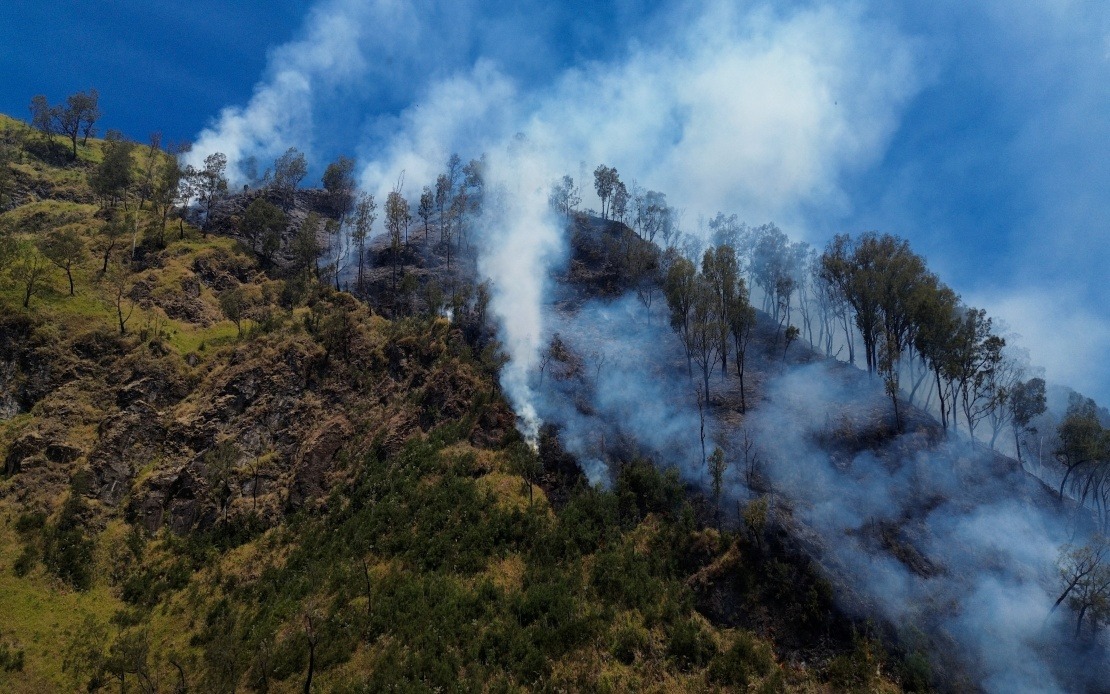
Indonesia's Bromo Tengger Semeru National Park has become inaccessible to the public as authorities grapple with a dangerous wildfire sweeping through the volcanic landscape of East Java. The decision to close all five entry points came into effect at 10pm on Saturday, marking a significant disruption to one of the nation's most visited natural attractions. The suspension of tourism activities reflects the severity of conditions on the ground, where firefighting operations have taken precedence over recreational access.
The closure encompasses all designated entry routes that typically welcome thousands of visitors annually. Access points at Cemorolawang in Probolinggo Regency, Wonokitri in Pasuruan Regency, Jemplang and Coban Trisula in Malang Regency, and Senduro in Lumajang Regency all remain sealed. This comprehensive shutdown underscores the breadth of the affected zone and the challenges authorities face in containing the blaze across multiple administrative jurisdictions. The park's management has prioritized visitor safety and the facilitation of emergency response operations over revenue generation.
According to Indonesia's National Disaster Management Agency, the Bromo fire has consumed approximately 176.20 hectares since igniting on Monday, affecting terrain spanning both Probolinggo and Malang regencies. The scale of destruction remains volatile, with officials noting the presence of active hotspots continuing to emit thick smoke as of Saturday evening. These smoldering areas represent the most immediate concern for firefighting teams, as they could rapidly reignite under changing wind conditions. The mountainous terrain of the caldera creates additional complications for ground crews attempting to contain the spread.
Meteorological conditions have added another layer of complexity to the firefighting response. Moderate winds detected in the region during the initial stages of containment efforts can accelerate fire spread and disperse embers across wider distances. The interaction between volcanic topography, vegetation patterns, and atmospheric conditions creates unpredictable fire behavior that demands constant vigilance from response teams. Such environmental factors are typical of wildfire challenges across Southeast Asia during dry seasons, making the situation familiar yet dangerous.
Aircraft have emerged as crucial assets in the firefighting arsenal deployed across the national park. Two helicopters, each equipped with water-carrying capacity of 1,000 litres, have been positioned to support ground operations. These aircraft provide aerial reconnaissance capabilities and targeted water drops to suppress flames in areas difficult for ground crews to access. The deployment represents a significant commitment of resources by the Indonesian government to address the crisis, though the extent to which aerial operations can contain such a large fire remains limited by equipment availability and daylight hours.
The situation at Mount Bromo echoes a separate wildfire incident that occurred simultaneously in the region, demonstrating how dry season conditions create widespread ignition risks across East Java's protected areas. A forest fire affecting approximately 30 hectares in the Sembalun Resort area of Mount Rinjani National Park in East Lombok was brought under control early Saturday morning following its outbreak Friday evening. Though this secondary fire was extinguished more quickly, its occurrence alongside the Bromo disaster illustrates the heightened fire vulnerability across the broader volcanic landscape of East Nusa Tenggara province.
Investigations into the origins of both fires remain ongoing, with authorities yet to determine whether these incidents resulted from natural causes such as volcanic activity or spontaneous combustion, or from human activities including negligence or arson. This investigative phase is critical for understanding fire patterns and developing improved preventive measures. For Malaysian observers and regional disaster management specialists, identifying root causes can inform comparative risk assessments and emergency preparedness strategies across Southeast Asia's tropical and volcanic zones.
Tourists holding pre-purchased online tickets for the closure period have been offered flexible options regarding their visits. The park authority permits either rescheduling of visits to dates after the park reopens or processing of full refunds. This accommodation acknowledges the disruption to travel plans while preserving some level of customer service despite emergency conditions. Given the uncertain timeline for reopening, many visitors may opt for refunds, creating potential financial implications for local tourism operators dependent on Mount Bromo visitation.
The closure carries significant implications for the regional tourism economy. Mount Bromo ranks among Southeast Asia's most internationally recognized geological attractions, drawing visitors from across Malaysia, Singapore, and other neighboring nations seeking iconic landscape photography and hiking experiences. The suspension of access prevents spending by tourists at accommodation facilities, restaurants, and tour guide services concentrated in surrounding villages. Local communities dependent on tourism revenue face uncertain income prospects while the park remains sealed.
From a broader Southeast Asian perspective, the Mount Bromo incident demonstrates the vulnerability of popular tourism destinations to environmental hazards. Malaysia's own iconic natural attractions, including Gunung Kinabalu and Taman Negara, face similar seasonal fire risks that require robust monitoring and rapid response capabilities. The experience unfolding in East Java provides valuable lessons regarding the importance of pre-positioned resources, inter-agency coordination, and clear communication protocols during environmental crises affecting tourism infrastructure.
Authorities have not provided a timeline for reopening the national park, indicating that containment of the wildfire remains the paramount operational concern. The lack of a definitive end-date for the closure suggests that fire suppression efforts are proving challenging, possibly due to terrain factors or unpredictable fire behavior. Tourism stakeholders and the broader Indonesian economy will face ongoing uncertainties until the situation stabilizes and normal park operations resume.

