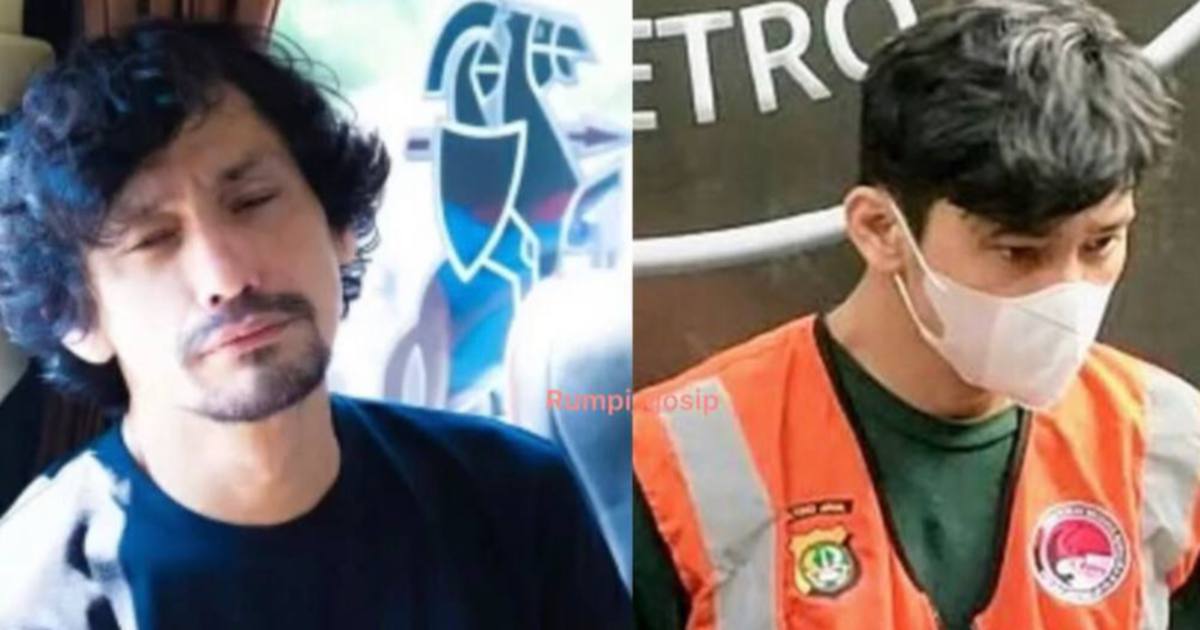
Indonesian actor Revaldo Fifaldi has landed back in police custody following a drug raid conducted at an apartment in South Jakarta, marking his fourth detention on narcotics charges. Officers swooped on the residence yesterday after receiving intelligence suggesting drug activity at the location, culminating in the arrest of the entertainment industry figure on suspicion of drug possession and consumption.
The repeated cycle of apprehension involving the same individual underscores a persistent pattern of substance abuse that has come to characterise his public profile over recent years. Each arrest serves as another chapter in an increasingly troubling narrative of relapse and law enforcement intervention, raising questions about the effectiveness of rehabilitation efforts and the broader challenges facing the Indonesian justice system when dealing with recidivist drug offences in high-profile cases.
South Jakarta has emerged as a particular hotspot for narcotics enforcement operations, with authorities intensifying crackdowns in residential areas where drug consumption is suspected. The decision to raid the specific apartment reflects intelligence gathering by Jakarta's drug enforcement division, which has prioritised dismantling supply networks and addressing addiction among prominent public figures whose behaviour could otherwise influence younger audiences and contribute to normalisation of drug culture within entertainment circles.
The entertainment industry across Southeast Asia has grappled with recurring scandals involving substance abuse, yet responses vary significantly. Indonesia's approach combines law enforcement with public prosecution, creating a deterrent through high-profile cases whilst simultaneously drawing attention to what many observers describe as inadequate rehabilitation infrastructure. Revaldo's situation exemplifies this tension between punishment and treatment, with repeated arrests suggesting that purely punitive measures may lack sufficient rehabilitative components to address underlying addiction issues.
For Malaysian audiences following regional entertainment news, the Jakarta case carries particular relevance given similar drug enforcement operations conducted domestically and the ongoing discussion about how neighbouring countries handle celebrity misconduct. The contrast between Indonesia's publicised enforcement strategy and Malaysia's approach to drug-related offences among entertainment personalities reveals different priorities and institutional capacities within respective criminal justice frameworks.
The actor's previous arrests had already drawn considerable media attention, establishing him as a recurring figure in narcotics-related news stories within Indonesian tabloids and entertainment coverage. This latest detention extends that pattern whilst simultaneously raising concerns about whether the entertainment industry itself bears responsibility for addressing substance abuse through internal support mechanisms, or whether public institutions must bear the primary burden of intervention.
Authorities in Jakarta have increasingly deployed apartment raids as a tactical response to residential drug consumption, targeting both distribution points and user locations. The targeted nature of yesterday's operation suggests that law enforcement possessed specific information about the occupant, indicating continuing surveillance or informant activity rather than random enforcement. Such precision in targeting demonstrates resource allocation focused on known offenders, a strategy that prioritises prevention of repeat offences amongst individuals with established patterns of recidivism.
The broader implications of Revaldo's fourth arrest extend beyond individual accountability to encompass questions about sentencing frameworks, rehabilitation accessibility, and whether imprisonment cycles constitute effective public policy. Southeast Asian jurisdictions continue debating optimal responses to drug offences, with some jurisdictions implementing diversion programmes and treatment-focused alternatives whilst others maintain stricter enforcement postures. Indonesia's trajectory appears to favour visible enforcement activity, particularly when high-profile individuals are involved.
For Malaysian entertainment followers, Revaldo's case serves as a cautionary narrative about the vulnerability of entertainment industry participants to substance abuse, regardless of professional status or prior public recognition. The regional entertainment ecosystem remains interconnected through shared audiences, collaborative projects, and media coverage that transcends national boundaries, meaning scandals in Jakarta inevitably influence broader Southeast Asian perceptions of industry standards and personal conduct expectations.
Looking ahead, observers will monitor whether this fourth arrest triggers meaningful changes in Revaldo's circumstances or whether it represents merely another cycle in an unresolved pattern. The outcome may influence how Indonesian authorities calibrate responses to recidivist drug offences involving public figures, potentially informing policy discussions across the region regarding balance between public enforcement activity and institutionalised rehabilitation support systems.

