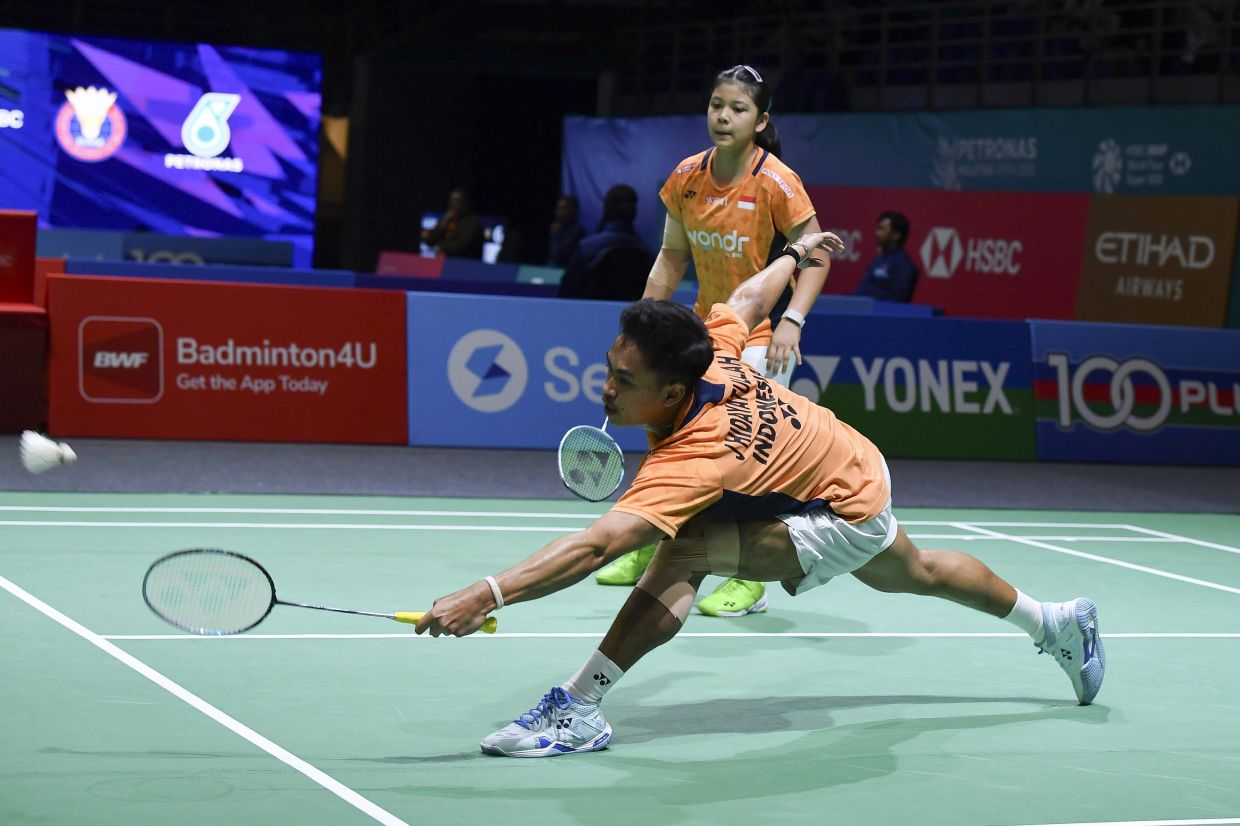
Two Indonesian mixed doubles badminton pairs have withdrawn from the World Championships, raising fresh questions about the sport's integrity in Southeast Asia at a time when the Badminton World Federation is investigating alleged match-fixing involving several Indonesian athletes. The departures of world No. 13 ranked Jafar Hidayatullah-Felisha Pasaribu and the mixed doubles combination of Adnan Maulana-Indah Cahya Sari Jamil have sparked widespread speculation, though officials have stopped short of explicitly linking the withdrawals to the ongoing probe.
The Indonesian Badminton Association, formally known as PBSI, announced the squad adjustments without publicly confirming whether the match-fixing investigation directly prompted the decision. Secretary-general Ricky Soebagdja issued a carefully worded statement characterising the withdrawals as part of routine "adjustments" to Indonesia's lineup for the World Championships, language that obscures the underlying circumstances while hinting at deeper concerns. This measured approach reflects the delicate position Indonesian badminton finds itself in as officials attempt to preserve the sport's reputation while a formal investigation proceeds.
The timing of the withdrawals tells its own story. Adnan-Indah made their exit from the tournament on July 13, suggesting early awareness of potential complications. Jafar-Felisha's withdrawal came later, on July 29, indicating a staggered process rather than a simultaneous decision. This sequence raises questions about what transpired between these dates and whether additional pressure or evidence emerged that prompted the second pair to step aside. The deliberate spacing suggests coordination at the federation level rather than individual choices by the athletes themselves.
Indonesia's badminton programme faces significant reputational damage from the allegations. As one of Southeast Asia's strongest badminton nations with a proud heritage in the sport, news of potential match-fixing strikes at the heart of the country's sporting credibility. For Malaysian fans and observers in the region who follow badminton closely, these developments underscore concerns about match integrity that extend beyond Indonesia's borders. The sport commands passionate followings throughout Southeast Asia, and doubts about whether results reflect genuine competition rather than predetermined outcomes undermine fan engagement across the entire region.
The Badminton World Federation's independent judicial proceedings represent a critical moment for enforcing integrity standards in international badminton. The BWF has initiated formal hearings specifically to examine alleged breaches by multiple Indonesian players, signalling that the investigation extends well beyond the two withdrawn pairs. This broader scope suggests a potentially systematic problem rather than isolated incidents, though the federation has not disclosed specifics about the number of athletes or pairs under investigation or the nature of the allegations. The secretive nature of ongoing proceedings reflects standard practice in sports disciplinary matters, yet it also leaves the badminton community operating in a fog of uncertainty.
The PBSI's official response carefully balanced acknowledgment of the BWF investigation with assertions of compliance and support for institutional oversight. Soebagdja emphasised that the association respects the federation's "independence" and mechanisms to safeguard integrity, language designed to position Indonesia as a cooperative partner in the investigation rather than a resistant actor. However, this cooperation comes at considerable cost to Indonesian players and the association's international standing. The decision to withdraw established pairs from a major championship signals that PBSI recognises the gravity of the situation and is willing to make painful competitive sacrifices to demonstrate commitment to clean sport.
Indonesia's remaining representation at the World Championships reflects efforts to maintain competitive presence despite the disruptions. The association will field two mixed doubles pairs: the pairing of Amri Syahnawi-Nita Violina Marwah and the combination of Rehan Kusharjanto-Gloria Widjaja, who were promoted from reserve status to fill the vacancies. This substitution maintains Indonesia's competitive footprint in the mixed doubles category, though the loss of a world No. 13 pair represents a reduction in medal prospects. The promotion of reserve pairs, while necessary, also creates performance uncertainty at a major international tournament.
The broader implications for badminton governance in Southeast Asia warrant careful consideration. Match-fixing in sports has touched multiple nations across the region, yet badminton's relatively smaller commercial profile compared to football has perhaps shielded it from intense scrutiny. The Indonesian investigation suggests that no sport or market size offers immunity from integrity threats. For Malaysian badminton stakeholders, the situation serves as a reminder that vigilance and robust governance structures remain essential for protecting the sport's credibility.
The decision by PBSI to refrain from further comment until the BWF Independent Hearing Panel issues its findings reflects standard practice in ongoing disciplinary matters, yet it also highlights the limitations of transparency during investigation phases. Players, fans, and observers must operate with incomplete information, potentially fuelling speculation and rumour. This information vacuum can prove as damaging to the sport's reputation as the underlying allegations themselves, particularly in an era of rapid social media circulation of unverified claims.
Moving forward, the BWF's handling of this investigation will set important precedents for how the international body addresses integrity breaches. The thoroughness and fairness of the judicial process, the transparency of findings once proceedings conclude, and the consistency of sanctions if violations are confirmed will all influence confidence in badminton's governance structures throughout Asia and beyond. For Malaysian readers invested in the sport's health, these outcomes matter directly, as they will shape the competitive environment and regulatory framework within which Southeast Asian badminton operates for years to come.

