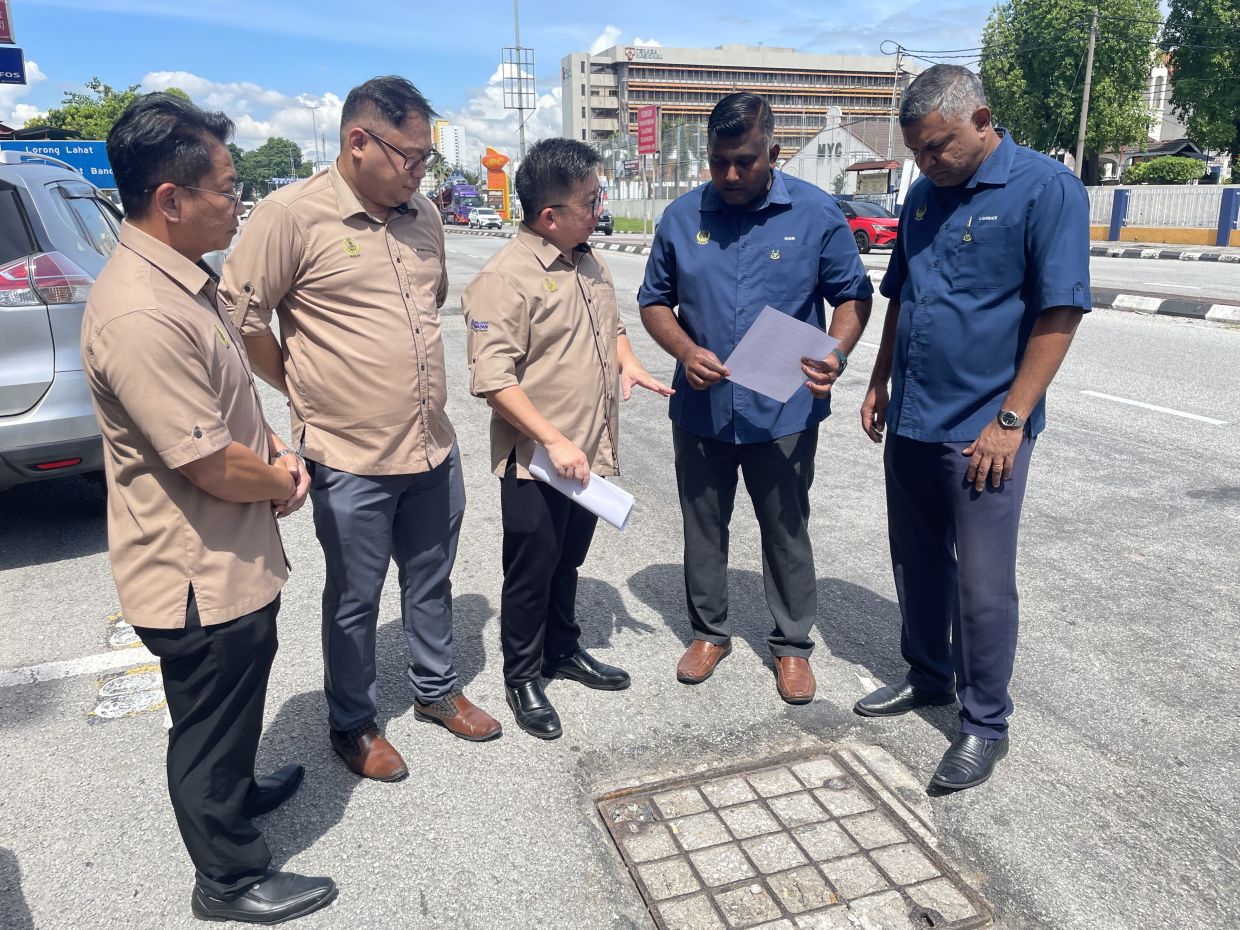
Work is set to commence in July on a significant road maintenance project in Ipoh, where nearly 4 kilometres of Jalan Lahat will receive complete resurfacing at a cost of RM2.6 million. The initiative, funded through the Malaysian Road Records Information System (Marris), represents a long-awaited response to mounting complaints from commuters and residents about the deteriorating condition of this major thoroughfare that traverses the state constituencies of Buntong, Tebing Tinggi and Menglembu.
According to Menglembu assemblyman Chaw Kam Foon, the resurfacing work will concentrate on the most heavily impacted section of Jalan Lahat, extending from the Falim traffic lights to the Jalan Leong Boon Swee junction near Little India. Although Jalan Lahat spans approximately 10 to 11 kilometres in total, the project focuses on roughly 1.9 kilometres in each direction—the stretch that has become synonymous with pothole-related hazards and uneven pavement that have frustrated daily commuters for months.
The deteriorating road surface has created genuine safety concerns for motorists traversing the route, which serves as a vital connection through residential areas, commercial zones, and educational institutions. The situation became particularly acute this month when reports emerged of approximately 20 vehicles suffering tyre damage after striking potholes along the affected section. Social media users amplified these concerns by sharing images and videos documenting the road's poor condition, including footage of a particularly large pothole on a flyover section that sparked immediate intervention and temporary patching.
Counsillor K. Sivam revealed that demands for comprehensive road rehabilitation along Jalan Lahat have persisted since 2024, with approval finally materialising this year after sustained advocacy. The tender process is currently underway, with contractual arrangements expected to be finalised in time for work commencement next month. The projected completion timeline stands at approximately three weeks, contingent on weather conditions and efficient project management.
The deterioration of Jalan Lahat cannot be attributed solely to normal wear and tear from traffic volume, though the road does experience substantial usage from commercial vehicles and lorries that place considerable strain on the surface. Sivam pointed to inadequate reinstatement work following utility excavations as a significant contributing factor, noting that sewerage pipeline installations and other underground infrastructure projects had left the road in compromised condition. Previous attempts to address the issue through localised patching proved ineffective, as the temporary repairs could not withstand the combined pressures of monsoon weather patterns and continuous heavy traffic.
The comprehensive resurfacing approach incorporates several critical components beyond simple bitumen renewal. Works will include levelling of manhole covers that create dangerous undulations, systematic removal of surface irregularities, and complete repainting of lane markings to restore visibility and traffic guidance. This multifaceted approach reflects recognition that superficial repairs have repeatedly failed to provide lasting solutions.
Governance mechanisms will be strengthened to prevent future deterioration linked to utility works. The Corridor Utiliti Darul Ridzuan (KUDR) will assume enhanced monitoring responsibilities over future excavation activities, armed with authority to ensure that restoration work meets established specifications. Companies responsible for underground infrastructure installations will face enforceable consequences for substandard reinstatement, including financial penalties, compounding orders, and mandatory remedial work.
For Malaysian drivers familiar with the pothole problem that plagues numerous urban roads across the country, this project represents a template for addressing systemic infrastructure challenges. Jalan Lahat's situation illustrates how proper coordination between authorities, consistent enforcement of reinstatement standards, and adequate budget allocation can reverse road deterioration. The project also demonstrates the power of social media activism in drawing government attention to community infrastructure needs—the viral pothole video functioned as a catalyst for official action after years of unheeded requests.
The timing of this initiative carries broader implications for Ipoh's economic vitality and livability. Heavy vehicle operators and commuters have long viewed the road's poor condition as an operational impediment and safety concern respectively. Restoration will benefit not only daily users but also commercial interests that depend on efficient transport corridors through Ipoh's commercial and residential areas. Schools and medical facilities adjacent to the corridor will experience improved accessibility.
The RM2.6 million investment should be contexualised within Malaysia's broader road maintenance challenges. While the sum represents meaningful commitment to one problematic stretch, it underscores the substantial financial requirements for maintaining national road networks to acceptable standards. As Malaysia's road network expands and ages, systematic preventative maintenance and timely intervention become increasingly critical to avoiding more extensive and expensive rehabilitation later.
Monitoring the project's execution will be essential to ensure timely completion and quality standards. The three-week timeline is ambitious given the road's length and the complexity of full resurfacing operations. Weather disruptions common to Malaysia's tropical climate may necessitate schedule flexibility, though completion before the onset of heavier monsoon conditions would be advantageous. Successful delivery will demonstrate that persistent community advocacy, combined with political will and adequate resources, can translate complaints into tangible infrastructure improvements.

