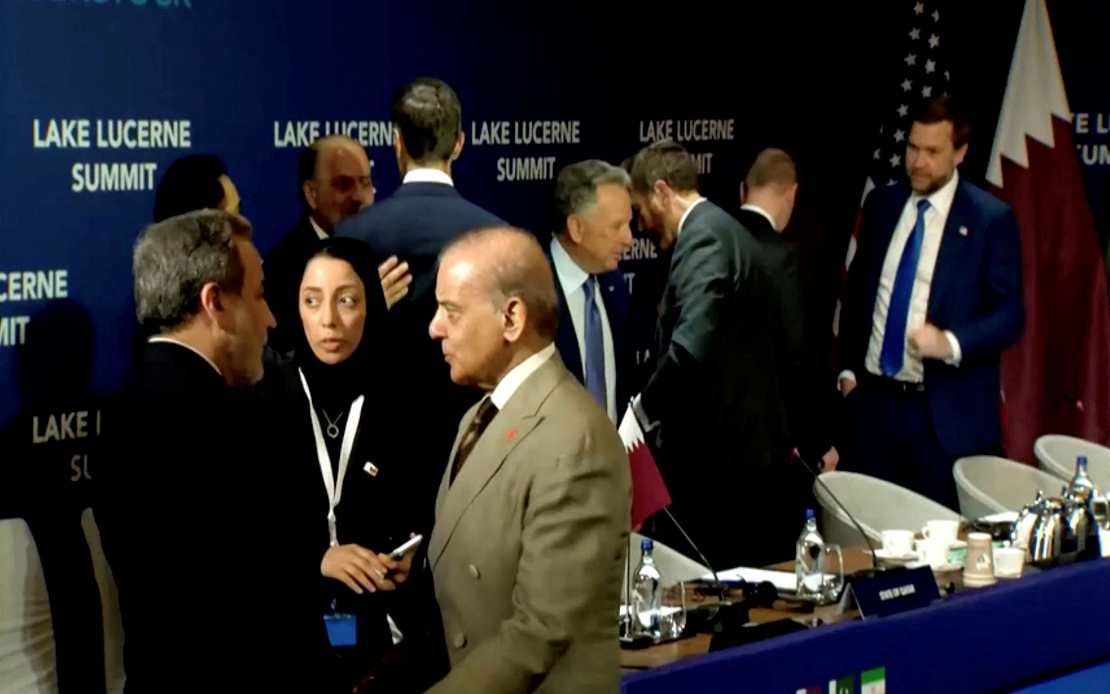
Negotiations between Iran and the United States have reached a significant milestone with the completion of a draft arrangement addressing temporary relief from sanctions targeting Iranian petroleum shipments. The breakthrough emerged during discussions held in Switzerland, where Hossein Ghorbanzadeh, a senior Iranian negotiator, confirmed that both delegations have settled on the document's key provisions. This development represents tangible progress in implementing the framework agreed between the two countries just days earlier, though substantial hurdles remain before any final settlement takes effect.
The negotiations unfolded at the Burgenstock resort, serving as the venue for substantive technical discussions beyond the main bilateral meetings. These parallel sessions focused explicitly on the mechanics of sanctions relief and related commercial arrangements, ultimately producing the draft text on oil export restrictions. Ghorbanzadeh indicated that the technical track accommodated detailed exchanges on implementation details that required specialist input and would have been unwieldy to address during plenary sessions. The compartmentalisation of talks reflects standard diplomatic practice when addressing complex economic and financial matters involving sanctions architecture.
Crucially, Ghorbanzadeh stated that the memorandum's remaining provisions will remain inert unless a comprehensive final agreement emerges to resolve the broader conflict, specifically addressing the war in Lebanon. This conditionality underscores Tehran's insistence on linking the separate tracks of negotiation, refusing to permit piecemeal implementation that might weaken its negotiating leverage on other fronts. The linkage reflects Iran's strategic calculation that sanctions relief alone, without simultaneous political resolution, would constitute a partial victory that undermines its ability to secure concessions on regional security concerns and frozen asset recovery.
Parallel to the oil sanctions discussions, Iranian delegates engaged with Qatari representatives regarding the unfreezing of Iranian financial assets held abroad. The involvement of Qatar, a neutral regional actor with diplomatic channels to multiple parties, highlights the multilayered nature of these negotiations. Asset recovery represents a distinct but interrelated priority for Iran, as restricted access to funds complicates economic recovery and limits its capacity to withstand sanctions regimes. The sequencing of these discussions, occurring simultaneously with sanctions relief negotiations, suggests an integrated approach to addressing both immediate commercial access and longer-term financial normalisation.
These developments flow from the Islamabad Memorandum of Understanding, which both nations formally activated just four days prior. Iranian President Masoud Pezeshkian and US President Donald Trump electronically signed the agreement on June 18, following its announcement on June 14 through Pakistani-brokered mediation. The memorandum comprises fourteen specific commitments aimed at fundamentally reorienting the relationship between Washington and Tehran away from military confrontation toward negotiated settlement. For Malaysian and broader Southeast Asian observers, this represents a potential inflection point in one of the world's most intractable geopolitical disputes, with implications for regional stability and global energy markets.
The agreement's stated objectives extend beyond sanctions to encompass cessation of hostilities across all theatres, including Lebanon, where Iran-backed forces and Israeli military operations have generated significant humanitarian costs and regional tensions. Additionally, the memorandum addresses two critical infrastructure issues: reopening the Strait of Hormuz, through which approximately one-third of seaborne traded petroleum transits globally, and lifting the US naval blockade that has constrained Iranian commerce. These provisions reflect Iran's fundamental interest in restoring normal commercial access and reducing strategic vulnerability to maritime interdiction, concerns that align with broader international interests in freedom of navigation and stable energy supplies.
The temporary nature of the oil sanctions relief outlined in the draft deserves particular attention from the perspective of stability and predictability. By establishing time-limited relief rather than permanent sanctions removal, the arrangement preserves leverage for both parties while allowing confidence-building measures to accumulate. This approach permits each side to demonstrate compliance with discrete commitments before progressively deepening integration, reducing the risk that either party faces irreversible losses if negotiations subsequently collapse. For international businesses assessing Iranian market participation, this conditionality introduces both opportunities and uncertainties that will require careful navigation.
From a Malaysian economic perspective, the potential reopening of Iranian oil markets carries implications for regional energy competition and pricing dynamics. Malaysian refineries and petrochemical facilities have historically sourced Iranian crude, and normalisation could facilitate restoration of commercial relationships that were disrupted by sanctions regimes. However, sustained uncertainty about whether these negotiations will ultimately succeed argues for measured caution in reorienting supply chains or making irreversible commitments until the final comprehensive settlement materialises. The sequencing of implementation remains undefined, creating a transition period during which market participants operate with incomplete information.
The involvement of Pakistan as a primary mediator in these negotiations reflects Islamabad's evolving regional diplomacy and its perceived capacity to broker discussions between adversaries. Pakistan's historical relationships with both Iran and the United States, combined with its geostrategic position, position it as a natural intermediary. For Southeast Asian nations monitoring these developments, Pakistan's diplomatic success offers a potential model for regional conflict resolution that relies on trusted intermediaries rather than direct confrontation or external power imposition. The precedent, if successful, could inform approaches to other regional disputes where direct bilateral engagement has proven sterile.
The timeline for implementing the draft provisions remains unspecified, though the completion of drafting suggests that detailed negotiation over mechanics has substantially concluded. What remains outstanding is the broader political settlement concerning Lebanon and other regional conflicts, a significantly more demanding challenge than establishing technical frameworks for sanctions administration. Iranian insistence on linking these issues means that petroleum sanctions relief, despite being finalised in outline, cannot become operational absent resolution of the harder questions about regional security architecture and state conduct. This linkage preserves leverage for continued negotiation but also introduces delay and uncertainty into arrangements that international energy markets and businesses are already pricing in.
For Malaysia and the broader Southeast Asian community, the trajectory of these negotiations warrants close monitoring. A successful resolution would eliminate one major source of regional and global instability, permit restructuring of energy supply relationships, and validate multilateral mediation as an alternative to military escalation. Conversely, breakdown in talks would signal that deep structural antagonisms remain unresolved and that military options continue to loom as potential tools of statecraft. The draft agreement on oil sanctions relief, while positive, must ultimately be understood as a necessary but insufficient step toward comprehensive settlement, one that leaves critical questions about regional order still in abeyance.

