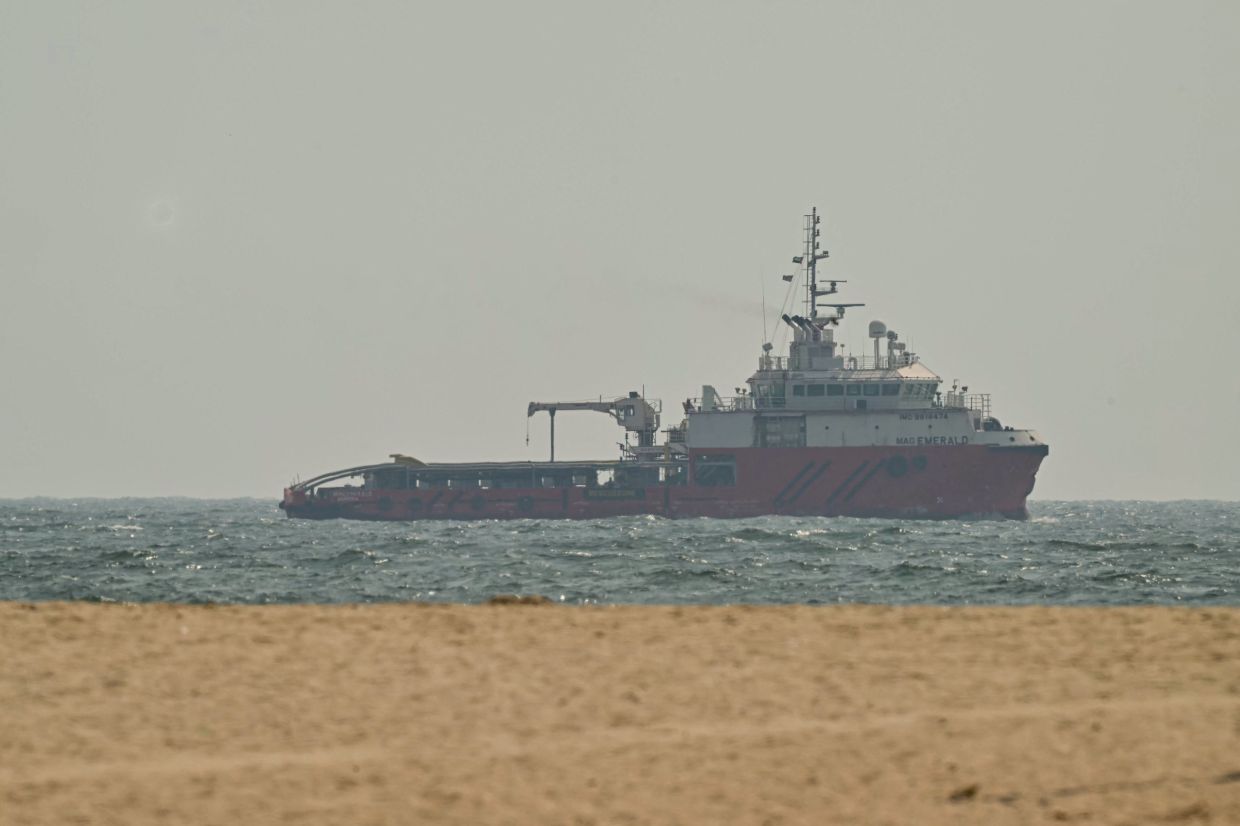
Diplomatic efforts to ease mounting tensions in the Gulf proceeded over the weekend despite mutual recriminations from Washington and Tehran. Iran's Foreign Minister Abbas Araqchi travelled to Oman on Saturday to participate in discussions centred on guaranteeing the unimpeded movement of merchant vessels through one of the world's most strategically vital waterways, according to Iranian state media. The sultanate has positioned itself as a neutral broker in negotiations aimed at halting a conflict that has destabilised the region and rippled through global energy markets since military operations intensified earlier this week.
The Trump administration has made clear its principal objective: securing a formal, public commitment from Tehran to cease attacks on commercial shipping and to maintain unrestricted passage through the Strait of Hormuz without any form of toll or obstruction. Before the escalation, this crucial chokepoint handled approximately one-fifth of the world's oil supplies, meaning any disruption carries profound economic consequences far beyond the immediate region. Senior American officials outlined these demands to journalists on Friday, emphasising the administration's insistence on transparent Iranian compliance that can be monitored and verified by the international community.
President Donald Trump announced Friday that while the United States remained willing to engage in dialogue with Iran, the previously agreed ceasefire arrangement had effectively terminated. His statement marked a significant rhetorical hardening, yet paradoxically came as no major military incidents were reported in the immediate aftermath, suggesting both sides were exercising restraint despite the harsh public language. Trump's declaration appeared designed to reset expectations before further negotiations, signalling that any resumed understanding would operate under different terms and stricter conditions than the arrangement that had crumbled.
Reports from American and British news organisations indicated that Vice President JD Vance, Secretary of State Marco Rubio, White House special envoy Steve Witkoff, and Jared Kushner were positioned to lead direct talks with Araqchi, though the precise format—whether in-person meetings or virtual participation—remained unclear. Iranian state agencies subsequently denied that such negotiations had commenced, with one source suggesting that substantive discussions could not occur unless Washington fundamentally altered its negotiating stance. This pattern of claim and counter-claim reflected the deep mistrust characterising current relations between the two governments.
The immediate trigger for this dangerous escalation involved attacks on commercial vessels in the Strait. Three tankers flagged to Qatar and Saudi Arabia came under fire earlier in the week, prompting the United States to conduct retaliatory strikes against Iranian military installations on February 28. Tehran then responded with its own strikes targeting American military facilities across the Gulf region. While Iran has refrained from explicitly claiming responsibility for the shipping attacks, regional analysts widely interpret such tactics as negotiating leverage designed to demonstrate Iran's capacity to disrupt global commerce and impose costs on adversaries willing to confront it militarily.
Foreign Minister Araqchi accused Washington of violating the ceasefire by revoking licenses permitting the sale of Iranian crude oil following the tanker incidents. He stressed on social media that any sustainable agreement required genuine reciprocal compliance from both parties, not unilateral American demands imposed under threat. This rhetorical exchange underscored a fundamental disagreement about whether either side had genuinely honoured previous commitments, with each capital attributing violations to the other while claiming itself to be the aggrieved party seeking restoration of peaceful coexistence.
American officials offered a distinctive interpretation of Iranian motivations, asserting that Tehran had characterised the recent shipping attacks as arising from an "errant part of their system"—suggesting perhaps rogue elements or miscalculation rather than deliberate policy. Such framing appeared calibrated to reduce tensions by allowing both governments to characterise incidents as accidents rather than intentional provocations, creating diplomatic space for renewed engagement without requiring either side to formally acknowledge wrongdoing. This face-saving mechanism proved crucial for maintaining the possibility of negotiations amid escalating rhetoric.
The unfolding crisis carries significant implications for global energy security and American domestic politics. Crude oil prices surged during the week, posting their largest weekly gain in two months after weeks of steady decline, threatening to complicate President Trump's political position ahead of November congressional elections. Rising fuel costs at American pumps could undermine broader economic messaging and damage Republican electoral prospects, creating domestic political pressure for rapid de-escalation regardless of strategic considerations.
Trump intensified rhetoric by warning Iran of severe military consequences should Tehran pursue assassination attempts against him personally. He posted on Truth Social that "1000 Missiles are Locked and Loaded" targeting Iranian positions, a characteristically hyperbolic statement designed to convey absolute resolve. These threats followed reports that Israeli intelligence had informed Washington of alleged Iranian plans to assassinate the American president—allegations that remain unverified and contested. At the funeral of Supreme Leader Ayatollah Ali Khamenei on Thursday, mourners displayed banners declaring "We Will Kill Trump," language reflecting deep rage within segments of Iranian society rather than necessarily indicating official policy.
The broader conflict has already extracted enormous human costs. At least 17 people were killed in American airstrikes conducted Wednesday and Thursday, with another 115 wounded according to Iran's Health Ministry, adding to thousands already dead across the five-month duration of hostilities. This protracted warfare has strained global energy supplies and generated fears of broader economic deterioration affecting developing economies particularly acutely. For Malaysia and other Southeast Asian nations dependent on stable Middle Eastern energy supplies and unobstructed sea lanes for trade, the situation represents a serious strategic concern threatening regional prosperity.
Qatari mediators met with Iranian officials on Friday specifically to discuss securing the Strait of Hormuz and de-escalating immediate tensions, according to individuals briefed on those discussions. Qatar's prominent mediation role reflects its historical position as a neutral player capable of maintaining channels to both Washington and Tehran despite their fundamental antagonism. The sultanate invested considerable diplomatic capital in these efforts, understanding that sustained Gulf instability threatens broader regional security frameworks and economic cooperation architectures that smaller Gulf states depend upon for protection and prosperity.
Tehran emphasised through state media that any further American breaches of commitments would trigger reciprocal Iranian responses, establishing red lines intended to deter further escalation. The foreign ministry spokesman articulated this warning as a negotiating posture, simultaneously suggesting willingness to resume talks if American behaviour changed course. This delicate balancing act—maintaining deterrent capability while leaving diplomatic doors ajar—has become characteristic of both sides' approaches as they navigate the perilous gap between military confrontation and negotiated settlement.
The collapse of last month's interim agreement, which had promised to resolve the underlying conflict within months, represents a significant setback for international efforts to stabilise the region. That arrangement appeared poised to conclude five months of fighting that had already inflicted catastrophic human suffering and economic disruption. The renewed escalation threatens to prolong this destructive cycle indefinitely unless negotiators can reconstruct sufficient trust to resume meaningful discussions about comprehensive settlement terms acceptable to all parties.

