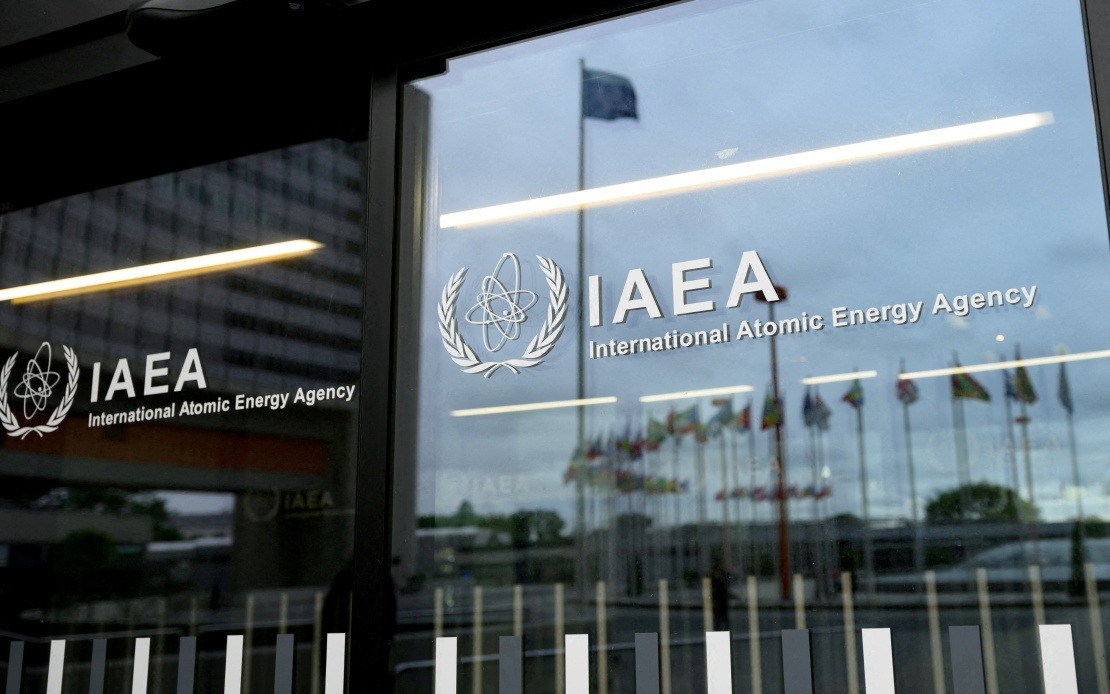
Iran has firmly rebuffed efforts by the International Atomic Energy Agency to conduct inspections of its nuclear installations, declaring that such access will only be permitted following a final comprehensive agreement with Washington and the complete lifting of all sanctions. The position, articulated by Deputy Foreign Minister Kazem Gharibabadi, represents a hardening of Tehran's stance in ongoing negotiations aimed at resolving years of tension over the Iranian nuclear programme.
Gharibabadi stated through social media that the matter of providing the IAEA with access to Iran's nuclear facilities and materials would be addressed exclusively within the context of a definitive accord reached with the United States. Crucially, he tied such access to concrete American action on sanctions removal, suggesting that Tehran views inspections as a concession that must be earned through meaningful reciprocal gestures from Washington rather than granted as a precondition for talks.
The timing of Iran's rejection is significant, coming as IAEA Director General Rafael Grossi announced that the agency intended to proceed with inspections based on a recently-signed memorandum of understanding between the two countries. Grossi's announcement appeared to presume Iranian cooperation, but Gharibabadi's response demonstrated that Tehran had not agreed to grant such access. The Iranian diplomat also clarified that no meeting had occurred between Iran's negotiating team and Grossi in Switzerland, despite the IAEA chief's apparent request for discussions.
The memorandum of understanding, signed on June 18, establishes a 60-day negotiating window during which both parties are meant to work toward a final settlement of the nuclear dispute and removal of international sanctions targeting Iran. The first round of substantive talks took place in Switzerland over the weekend, with both delegations reportedly engaged in substantive discussions about the framework for a potential agreement.
The current standoff over inspections occurs against the backdrop of significant military escalation in the region. Iran's three principal nuclear complexes at Fordow, Natanz, and Isfahan have become flashpoints in the broader conflict. These facilities were subjected to bombing campaigns by the United States during a 12-day conflict in June 2025, representing a dramatic escalation from earlier military strikes. The sites sustained further damage when the US and Israel launched renewed strikes on Iranian nuclear and military targets following the outbreak of hostilities on February 28.
For regional observers and international stakeholders, Iran's uncompromising position on inspections reflects deep-rooted distrust of Western intentions. Tehran's leadership has historically interpreted demands for inspections as attempts to constrain Iranian technological development rather than genuine efforts to ensure peaceful uses of nuclear energy. By conditioning access on sanctions removal and a final agreement, Iran is attempting to shift the negotiating leverage in its favour, essentially requiring the United States to demonstrate goodwill through concrete actions before Tehran provides transparency.
The Malaysian perspective on these developments carries particular significance given Southeast Asia's economic dependence on Middle Eastern stability and energy supplies. Any prolonged dispute between Iran and Western powers has implications for regional shipping lanes, oil prices, and the broader geopolitical balance that affects trade corridors vital to ASEAN economies. The escalating nature of the military conflict and Tehran's hardening position on inspections suggest that reaching a negotiated settlement may prove more difficult than the optimistic 60-day timeline suggests.
Gharibabadi's assertion that nothing has been agreed regarding inspections before a final deal represents a potentially major obstacle to rapid progress. The IAEA's monitoring role is typically viewed by Western negotiators as essential to verifying Iranian compliance with any agreement, making the agency's ability to conduct inspections a cornerstone of potential sanctions relief packages. Iran's refusal to allow inspections in advance of such an agreement creates a chicken-and-egg problem that could derail negotiations if neither side proves willing to move first.
The strategic calculation underlying Iran's position appears to be that maintaining opacity regarding its nuclear facilities provides negotiating leverage during discussions over sanctions removal. By refusing inspections until sanctions are lifted, Tehran hopes to force Washington to commit to comprehensive relief measures before Iran grants transparency. This approach carries risks, as it may harden international opinion and reduce the likelihood that other nations will support sanctions relief, but it also reflects Iran's assessment that yielding on inspections would weaken its bargaining position without guaranteed reciprocal benefits.
For Malaysian observers following these developments, the next 60 days will prove crucial in determining whether the recent memorandum of understanding provides a genuine pathway to de-escalation or merely a pause in an increasingly militarized conflict. Iran's willingness to block IAEA inspections even as formal negotiations proceed suggests that fundamental disagreements persist on core issues. The outcome will significantly influence regional stability, energy markets, and the broader international order that Southeast Asia depends upon for prosperity.

