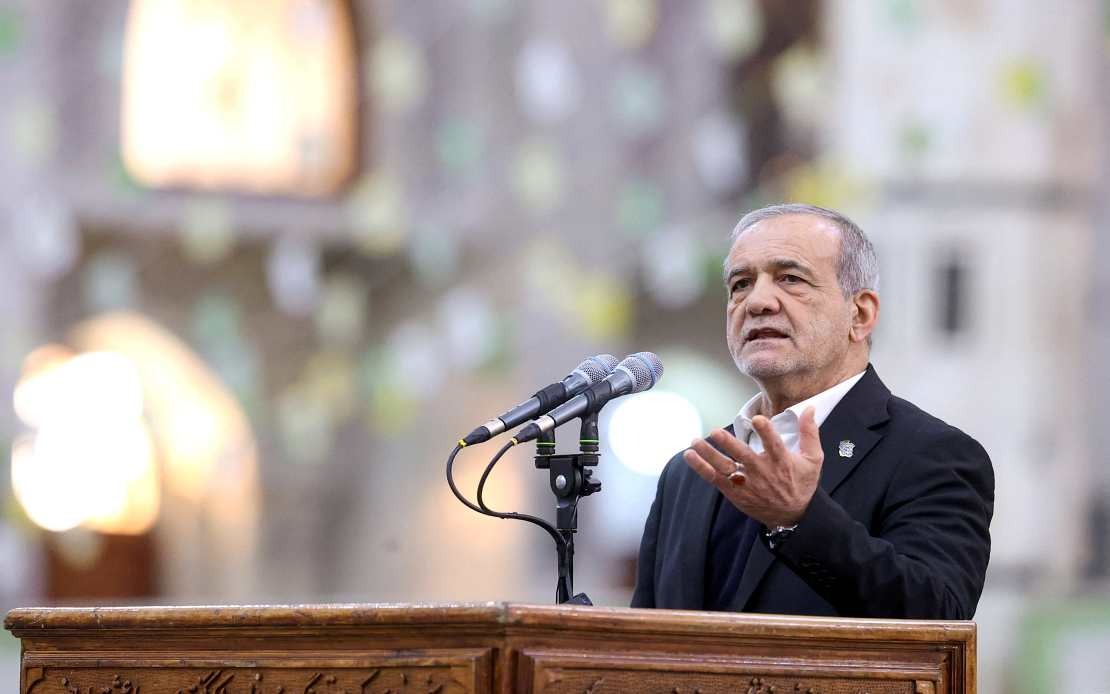
Iranian President Masoud Pezeshkian confirmed on Sunday that Tehran will recover $6 billion in frozen assets currently held in Qatar, marking a significant development in bilateral relations between Tehran and Washington. The announcement came as both nations initiated comprehensive technical negotiations in Switzerland aimed at addressing months of regional tensions and restoring stability to critical maritime chokepoints. The financial release represents one of the earliest and most concrete provisions of a preliminary understanding reached between the two countries, signalling potential momentum toward broader reconciliation.
Pezeshkian's statement, delivered through state broadcaster IRIB, framed the asset release as an immediate consequence of resumed diplomatic engagement. The Iranian leader indicated that the $6 billion would become available "with the start of the talks," suggesting that Washington has committed to unfreezing these resources as negotiations progress. This move addresses longstanding grievances about sanctions-related asset freezes that have constrained Iran's economic capacities for years, making the financial relief a tangible incentive for continued dialogue.
However, Tehran's chief executive made clear that economic concessions will not translate into abandonment of Iran's nuclear programme. Pezeshkian explicitly reaffirmed that uranium enrichment remains non-negotiable and that Iran expects international acceptance of this position. This declaration underscores the complexity of the broader negotiation landscape, where financial and sanctions relief measures exist alongside fundamental disagreements over nuclear policy. For Malaysia and other regional observers, the statement reinforces that while atmospherics have improved, substantive differences on core security matters persist.
The technical talks represent a significant escalation from preliminary diplomatic contacts. Delegations from both countries arrived in Burgenstock, Switzerland, early in the week following a memorandum of understanding signed Wednesday. The American contingent, led by Vice President JD Vance, faces counterparts headed by Iranian Parliament Speaker Mohammad Bagher Qalibaf and Foreign Minister Abbas Araghchi. The calibre of these delegations signals genuine commitment from both sides to explore settlement options, though the presence of senior political figures rather than pure technical experts suggests negotiations will grapple with high-stakes strategic concerns beyond narrow technical matters.
Pakistan's role as mediator reflects regional power dynamics and Islamabad's historical ties to both Tehran and Western capitals. The involvement of a trusted intermediary can facilitate back-channel communication and help bridge positions that might otherwise appear irreconcilable. For Southeast Asian nations monitoring these developments, Pakistan's mediation suggests that regional powers increasingly view stabilisation of Middle Eastern conflicts as essential to their own security and economic interests.
The broader context involves efforts to resolve the "months-long Middle East conflict" and reopen the Strait of Hormuz, a waterway through which roughly one-third of seaborne traded oil passes globally. Disruptions to Hormuz traffic directly impact energy prices and supply chains affecting Southeast Asia, making regional stability a legitimate concern for Malaysian policymakers and businesses. Any agreement that restores normal shipping through this chokepoint would provide tangible benefits for regional economies dependent on stable energy flows.
The $6 billion asset release carries symbolic weight beyond its financial magnitude. Qatar's willingness to participate in releasing these funds demonstrates Gulf Cooperation Council alignment with American diplomatic efforts toward de-escalation. The fact that frozen assets are held in Qatar rather than directly by the United States provides diplomatic flexibility, allowing Washington to pursue negotiations without requiring formal sanctions relief legislation or dramatic policy reversals. This mechanism preserves political space for both capitals while delivering material benefits to Iran.
Iran's insistence on uranium enrichment rights reflects its historical position that nuclear development for civilian purposes remains sovereign prerogative. The regime views international acceptance of enrichment as essential to national dignity and energy independence. Previous attempts to constrain Iranian nuclear activities through the Joint Comprehensive Plan of Action proved contentious, with American withdrawal under the previous administration creating mutual mistrust that current negotiations must overcome. Whether these current talks can forge a durable understanding on acceptable enrichment levels remains unclear.
The emerging agreement structure suggests compartmentalisation, where financial and sanctions measures proceed alongside nuclear discussions. This approach acknowledges that comprehensive settlements addressing all grievances simultaneously may prove impossible, while phased progress on discrete issues can build confidence and momentum. For Malaysian observers, this negotiating model offers insights into managing complex multilateral disputes where parties hold fundamentally incompatible positions on core matters.
Energy markets will likely monitor these developments carefully, as any credible path toward normalising Iran-US relations could eventually affect global oil supply and pricing. Current elevated crude prices partly reflect geopolitical risk premiums associated with Middle Eastern instability. Sustained progress in these negotiations might eventually contribute to marginal price moderation, benefiting energy-importing economies across Southeast Asia including Malaysia.
The success of Switzerland-based negotiations depends on whether both sides can compartmentalise disputes and identify sufficient common ground on procedural and financial matters while deferring resolution of the most contentious issues. Pezeshkian's statement suggests Iranian leadership believes meaningful progress is achievable, yet the reaffirmation of non-negotiable positions indicates that neither capital expects revolutionary breakthroughs. Observers should anticipate a prolonged process of incremental confidence-building rather than dramatic overnight transformation of bilateral relations.

