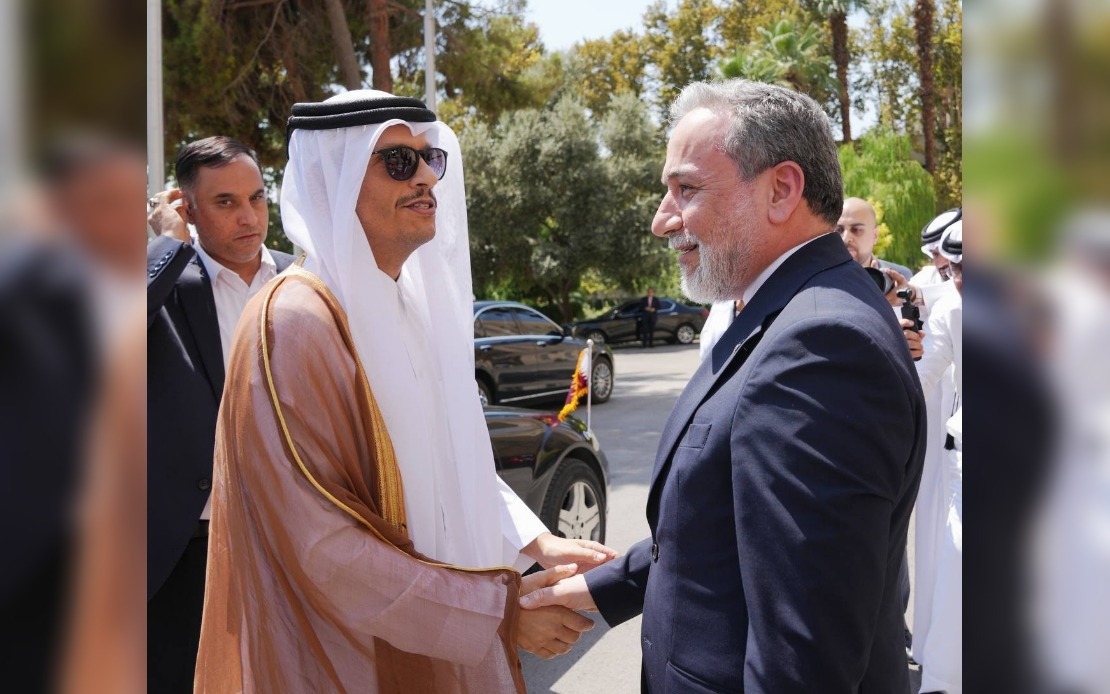
Iran's top diplomat has indicated openness to resetting relations with the United States, offering a glimmer of diplomatic possibility amid heightened tensions in the Middle East. Foreign Minister Abbas Araghchi made the statement following intensive talks in Tehran with Qatar's foreign minister and prime minister, underscoring Doha's expanding role as a crucial mediator between the two adversaries. The remarks signal a potential shift in Iran's stance, though they come with conditions that reflect Tehran's determination to operate from a position of principle rather than capitulation.
Araghchi's comments, posted on the social media platform X, emphasised that reconciliation remains within reach despite the deterioration in US-Iran relations over recent months. The Iranian foreign minister stated that the pathway to restored dialogue hinges fundamentally on Washington's recognition of a single principle: that coercive measures have consistently failed to produce desired outcomes. This framing represents Iran's attempt to establish negotiating parameters that reject what Tehran views as American bullying tactics while signalling genuine interest in engagement.
The substance of Iran's position extends beyond mere rejection of pressure. Araghchi outlined specific expectations for any renewed diplomatic engagement, demanding that the United States demonstrate respect through measured communication, acknowledge Iran's legitimate rights as a sovereign nation, and fulfil international commitments made to Tehran. These conditions reflect Iran's frustration with previous agreements, particularly regarding the Joint Comprehensive Plan of Action, which the US abandoned under former President Donald Trump in 2018, causing significant trust deficits that persist today.
Qatar's diplomatic initiative carries particular significance for the region and international observers. Sheikh Mohammed bin Abdulrahman bin Jassim Al Thani's visit to Tehran on Thursday marked his first journey to Iran since escalations began in late February, when US and Israeli military operations intensified. The Qatari foreign minister's engagement reflects Doha's broader strategy of maintaining constructive relationships across regional divides, positioning itself as an indispensable bridge-builder between hostile parties.
During his Tehran visit, Sheikh Mohammed conducted comprehensive talks with senior Iranian officials spanning the full breadth of the government's decision-making hierarchy. Meetings included President Masoud Pezeshkian, indicating presidential-level involvement in diplomatic discussions, as well as Parliament Speaker Mohammad Bagher Qalibaf and Mohsen Rezaei, who heads Iran's Supreme National Security Council. This multilateral engagement suggests that Iran is treating the mediation process with seriousness, involving officials responsible for security and strategic considerations alongside diplomatic channels.
The discussions focused on multiple dimensions of regional stability beyond simple ceasefire arrangements. Negotiations addressed mechanisms to restore dialogue between Iran and the US, exploring confidence-building measures that might create psychological and practical space for genuine negotiations. Particular attention was devoted to establishing a proposed temporary joint navigational corridor through the Strait of Hormuz, a critical international waterway through which vast quantities of global oil shipments pass. Additionally, parties explored collaborative mine-clearing operations, suggesting awareness that residual security threats require cooperative resolution.
For Southeast Asian economies, these developments carry tangible implications. Malaysia and regional trading partners depend significantly on stable passages through the Strait of Hormuz for energy security and commercial shipping. Any escalation in Iran-US tensions threatens to disrupt maritime traffic, increase insurance costs, and raise energy prices affecting the entire region's economic performance. Conversely, successful mediation would restore confidence in the waterway's security and predictability, benefiting regional commerce and investment flows.
Qatar's mediation reflects a broader pattern of smaller Gulf states leveraging diplomatic expertise to address major-power conflicts. Doha maintains working relationships with both Washington and Tehran, enabling it to convey messages, assess positions, and explore common ground in ways that direct adversaries cannot manage. This intermediary role, honed through years of involvement in Middle Eastern disputes, positions Qatar as an increasingly valuable actor in regional crisis management, though its effectiveness depends on both parties' genuine willingness to negotiate.
The timing of these diplomatic overtures warrants consideration within broader geopolitical contexts. Regional tensions have escalated significantly following Israeli military operations and Iranian responses, creating cycles of action and counter-action that risk spiralling into wider conflict. Qatar's intervention suggests that key actors recognise the necessity of de-escalation and believe diplomatic channels remain viable. However, the success of such initiatives ultimately rests on whether Iran and the US can move beyond entrenched positions and mutual distrust accumulated over decades.
Iran's stated conditions for dialogue reveal the complexity underlying apparent diplomatic openness. By emphasising that pressure tactics prove counterproductive, Tehran signals unwillingness to negotiate under duress or accept arrangements perceived as imposed rather than agreed. This posture reflects genuine strategic calculation—Iran's leadership believes that demonstrating resilience strengthens its negotiating position by convincing adversaries that coercion produces negligible results. Whether this approach facilitates genuine dialogue or perpetuates stalemate remains uncertain.
For Malaysia and ASEAN nations, monitoring these diplomatic developments carries strategic weight. The region's commitment to the principle of non-aligned foreign policy and constructive engagement creates natural interest in successful conflict resolution globally. Moreover, the Strait of Hormuz's critical importance to Asian energy security means that regional stability mechanisms directly affect Southeast Asian prosperity and security. Doha's mediation efforts, if successful, would reinforce models of third-party diplomacy that smaller nations could employ elsewhere in addressing major-power disputes.
The path forward remains uncertain, dependent on multiple variables beyond Doha's control. Whether American policymakers can embrace the flexibility that Iranian officials now suggest remains an open question. The diplomatic window Qatar has helped create may prove fleeting if either party retreats to more rigid positions or if new incidents escalate tensions beyond repair. Nevertheless, Araghchi's statement represents a meaningful signal that Iran hasn't abandoned diplomacy entirely, and that properly structured mediation efforts continue to hold potential for reducing region-destabilising tensions.

