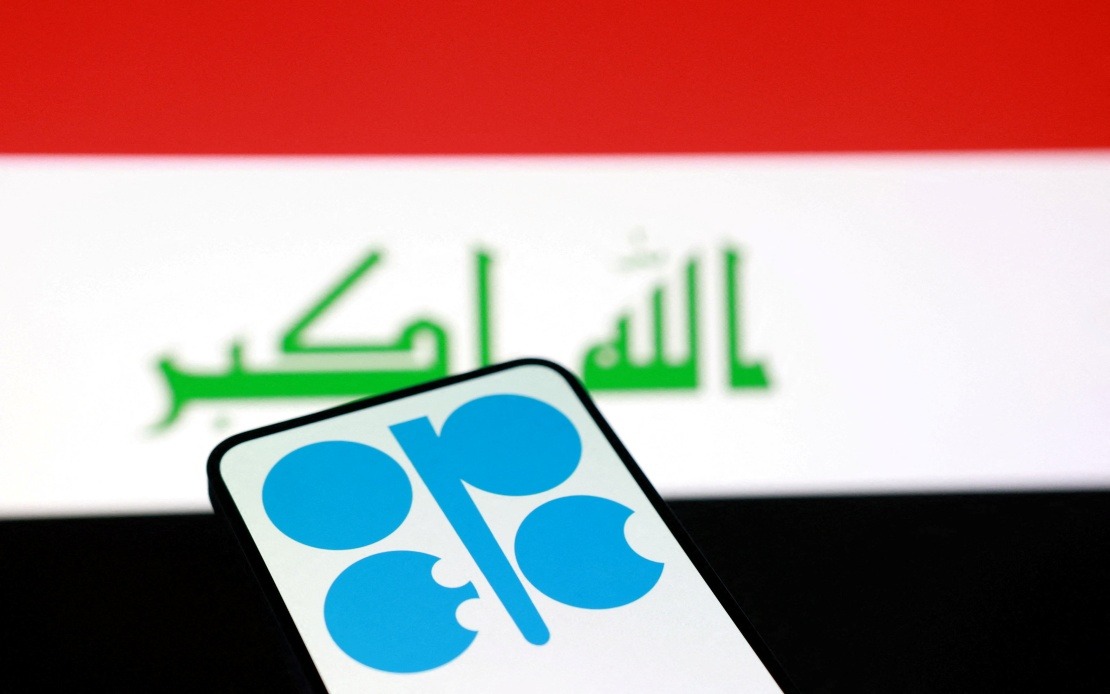
Iraq's Oil Ministry has moved swiftly to counter international media speculation about a potential withdrawal from OPEC, issuing a formal statement that distinguishes between reported threats and the country's actual policy position. The clarification came after Bloomberg published a story citing Oil Ministry spokesman Salim Al-Rikabi as suggesting that Baghdad could reconsider its membership if production quotas were not increased. By separating the comments from official government stance, the ministry sought to defuse tensions within the cartel while maintaining pressure for a higher output allocation.
The distinction between rhetorical negotiating positions and formal policy statements reflects the delicate balancing act Iraq must perform within OPEC's consensus-driven framework. Baghdad has made clear that neither Prime Minister Mohammad Shia Al-Sudani nor the broader government apparatus intends to pursue membership withdrawal as a strategy. Instead, Iraq frames its concerns as a technical matter requiring reassessment rather than a political ultimatum. This careful messaging is crucial for a country that depends heavily on oil revenues for post-conflict reconstruction and cannot afford the isolation that departure from OPEC would entail.
At the heart of Iraq's position lies a fundamental argument about fairness in production allocation. The country contends that current output ceilings fail to reflect its genuine technical production capacity, which has expanded significantly as oil infrastructure has been rebuilt following decades of conflict and sanctions. Iraq's Oil Ministry emphasizes that production quotas should align with what member states can realistically and sustainably produce, particularly when members face unique historical circumstances. This framework shifts the debate away from zero-sum cartel politics toward technical considerations that ostensibly offer a path for resolution.
The historical context underpinning Baghdad's position carries substantial weight in regional oil politics. Iraq has endured more than four decades of warfare, international embargoes, and systematic destruction of its petroleum infrastructure, including ongoing sabotage attacks targeting oil facilities. These exceptional circumstances distinguish Iraq from other OPEC members and, according to the ministry, warrant special consideration in quota-setting mechanisms. The country's aspiration to reclaim its position as OPEC's second-largest producer after Saudi Arabia represents not merely an economic objective but also a matter of national recovery and geopolitical standing in the region.
OPEC and its allied producers have already begun responding to Iraq's core concern through a structured technical process. A comprehensive review of each member state's maximum sustainable production capacity is underway, conducted in coordination with an independent international consulting firm that brings credibility to the assessment. Iraq is actively participating in this review, positioning itself to influence the methodology and conclusions that will ultimately determine production quotas. The involvement of independent technical expertise shifts the discussion from political bargaining toward ostensibly objective capacity analysis, which may favor Iraq's case for higher allocations.
The broader OPEC+ framework—which includes Russia and other non-OPEC producers—is simultaneously adjusting its production strategy in ways that could benefit Iraq. The cartel and its partners have begun gradually restoring previously reduced production levels, with plans to lift voluntary production cuts entirely in coming months. This gradual loosening of restrictions is expected to strengthen Iraq's production ceiling by increasing the overall group's output targets. The timing suggests coordination between OPEC's leadership and Iraq's government to address Baghdad's grievances without creating the appearance of capitulation to threats.
For Malaysian readers and Southeast Asian energy observers, Iraq's situation illustrates the internal tensions within OPEC as the cartel navigates conflicting imperatives. The organization must manage supply discipline to maintain price stability while accommodating members' legitimate development needs. Iraq's recovery from conflict and its downstream economic importance create sympathy within OPEC, yet other members guard against precedents that might justify their own quota increases. The resolution of Iraq's case will signal whether OPEC can accommodate member development priorities within its traditional consensus model or whether the organization faces continued pressure from members dissatisfied with existing arrangements.
The technical review process represents an attempt to depoliticize quota disputes by grounding them in engineering assessments and geological data. If OPEC successfully establishes that Iraq can technically produce more oil than current quotas permit, the organization can justify increases without appearing to abandon production discipline. This technical approach offers a template for addressing similar grievances from other members, potentially making OPEC's governance more transparent and seemingly more objective. However, the independence and acceptance of the reviewing firm's methodology will determine whether this technical solution gains credibility across the membership.
Looking ahead, the 2027 production target negotiations mentioned in OPEC's planning will provide the crucial moment when Iraq's reassessment findings translate into actual quota changes. The timeline offers space for continued dialogue and technical analysis, reducing immediate pressure on the cartel while signaling responsiveness to Iraq's concerns. For regional energy markets and global crude prices, any significant increase in Iraq's production ceiling could add roughly one million barrels per day or more to potential global supply, with implications for price stability and producer revenue. The outcome will depend partly on whether OPEC members view Iraq's recovery as a collective benefit or as a threat to their own economic interests.

