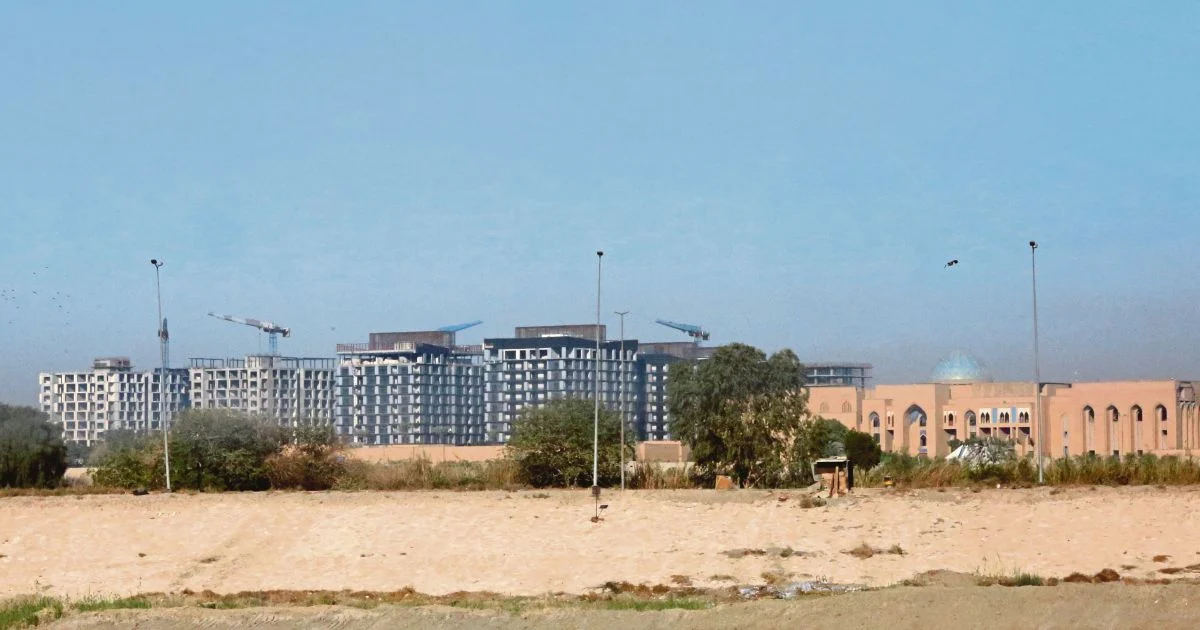
Iraqi security authorities executed a comprehensive security operation across Baghdad's fortified Green Zone in the early hours of Sunday, targeting a range of government officials and members of parliament implicated in corruption investigations. The raids, supported by heavy armed deployment throughout the secured district, resulted in the detention of multiple suspects as part of an intensified crackdown on financial misconduct at senior levels of government.
The Green Zone, officially known as the International Zone, serves as the administrative heart of Iraq's government operations and houses key ministries, parliament, and the residences of senior state officials. Its fortified perimeter, established following the 2003 invasion, makes it one of the world's most heavily guarded districts. The decision to conduct major security operations within this zone underscores the scope and seriousness with which authorities are now pursuing corruption cases that previously escaped meaningful investigation.
Corruption has long been identified as a structural challenge affecting Iraq's institutional effectiveness and public confidence in governance. Transparency International's Corruption Perceptions Index consistently ranks Iraq among the world's most corrupt nations, with endemic graft undermining development efforts and diverting public resources intended for healthcare, education, and infrastructure. The targeting of parliamentarians and senior bureaucrats signals a potential shift toward holding the country's political and administrative elites accountable for financial irregularities.
The deployment of security forces with apparent coordination and scale suggests this operation was not a routine investigation but rather a coordinated crackdown authorised at high governmental levels. The timing and scope indicate renewed political will to address corruption, possibly responding to mounting public frustration with governance failures and economic mismanagement that have contributed to Iraq's economic difficulties despite oil revenues.
For Malaysian observers, Iraq's anti-corruption efforts carry particular relevance. Both nations grapple with the challenge of maintaining institutional integrity within systems where political power and economic access historically intertwine. Malaysia's own experiences with high-profile corruption cases involving senior officials demonstrate the complexity of pursuing accountability when suspects hold significant political influence and networks. The mechanics of how Iraqi authorities manage detention, investigation, and prosecution of sitting MPs will offer comparative insights into institutional capacity and political dynamics.
The operation's success will ultimately depend on whether prosecutions proceed transparently through Iraq's judicial system, which itself has faced accusations of politicisation. Unlike Malaysia's relatively established legal infrastructure, Iraqi courts operate within a fragile institutional environment where security concerns and political pressures frequently complicate judicial processes. The challenge extends beyond arrests to ensuring evidence withstands scrutiny and convictions reflect genuine wrongdoing rather than political elimination of rivals.
Regional implications deserve consideration as well. Iraq's struggle against corruption occurs against backdrop of ongoing security concerns, economic pressures from fluctuating oil markets, and complex power-sharing arrangements between competing political factions. Anti-corruption operations can become flashpoints for sectarian or factional tensions if perceived as targeting particular groups disproportionately. The Green Zone raids' potential to destabilise political coalitions or trigger counter-accusations of selective prosecution represents a genuine risk in Iraq's fractious political environment.
The detention of MPs raises particular constitutional questions about parliamentary immunity and investigative procedures. Many democracies maintain varying degrees of protection for legislators to prevent authoritarian abuse of prosecution powers against political opponents. How Iraqi authorities navigate these protections while pursuing legitimate corruption investigations will reveal much about institutional maturity and respect for constitutional boundaries. Southeast Asian nations, including Malaysia, similarly balance parliamentary privileges against accountability imperatives.
Public reception of these raids within Iraq will substantially determine their ultimate impact on governance reform. If Iraqis perceive the operations as genuine anti-corruption efforts affecting officials across political factions, they may restore confidence in state institutions. Conversely, if detentions appear selective or weaponised against particular groups, they risk deepening cynicism about governance and validating narratives of political score-settling disguised as reform.
The international dimension cannot be overlooked. Iraq's anti-corruption efforts occur under scrutiny from donor countries, international financial institutions, and international media. Successful prosecutions resulting in convictions strengthen Iraq's standing with international partners and may unlock development assistance contingent on governance improvements. However, failed cases or perceived injustices damage Iraq's international credibility and reinforce perceptions of institutional dysfunction.
Longer-term success requires sustaining pressure beyond initial dramatic raids. Institutional reform, including professional training for investigators and prosecutors, protection for whistleblowers, and asset recovery mechanisms, demands sustained commitment and resources. Single operations, however impressive in scale, cannot address systemic corruption without complementary institutional development.
The Green Zone raids represent a critical moment for Iraq's governance trajectory. Whether this operation catalyses genuine institutional reform or becomes merely another controversial episode in Iraq's turbulent political history will become evident only through subsequent legal proceedings and implementation of accountability. For regional observers monitoring governance trends across Southeast Asia and West Asia, this case merits continued attention as a test of whether entrenched political systems can genuinely reform themselves.

