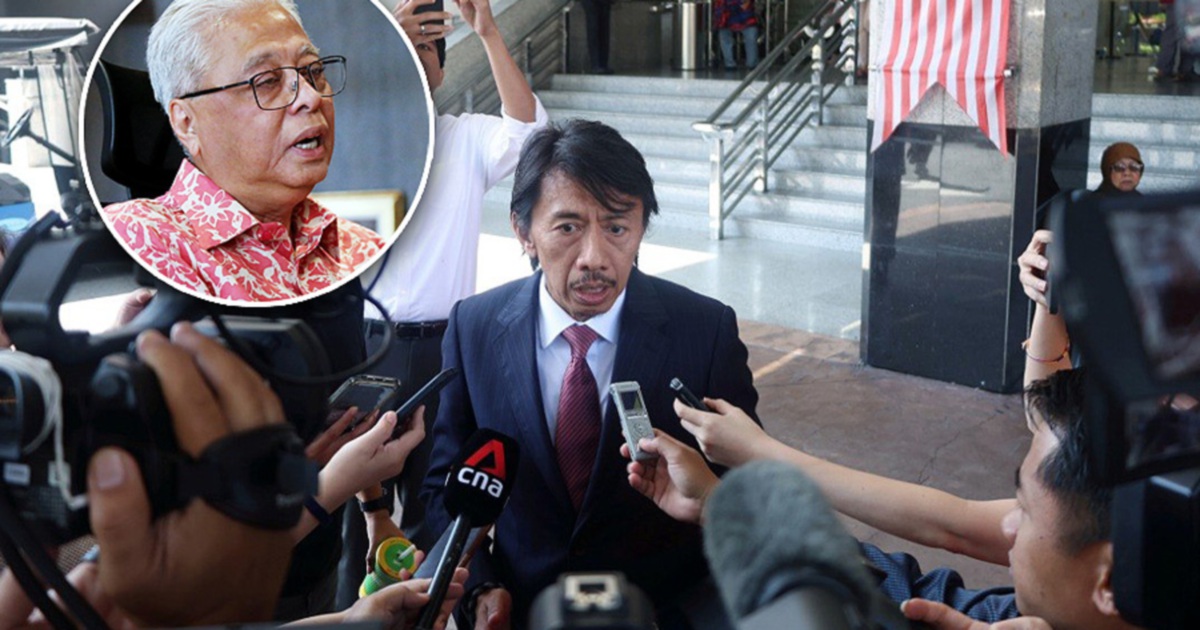
Former Prime Minister Datuk Seri Ismail Sabri Yaakob has signalled his unwavering resolve to restore his reputation as he prepares for what promises to be a significant legal confrontation this month. The former leader faces charges under the Malaysian Anti-Corruption Commission (MACC) Act, a development that has cast a spotlight on his post-leadership activities and raised broader questions about political accountability in Malaysia's ongoing battle against corruption.
The determination expressed by Ismail Sabri comes at a time when his health has presented additional challenges to his legal proceedings. Medical setbacks of this nature often complicate the ability of defendants to participate fully in court proceedings and prepare their defence effectively, yet the former premier appears committed to pressing forward regardless of these physical obstacles. Such resilience in the face of personal hardship reflects either a conviction in his own innocence or a strategic calculation that withdrawal would damage his standing further.
Ismail Sabri's case represents one of the most high-profile corruption matters involving a former holder of Malaysia's highest executive office in recent years. The involvement of the MACC underscores the commission's focus on investigating allegations at the highest levels of government, a practice that has intensified under various administrations seeking to demonstrate commitment to anti-corruption efforts. The case carries significant implications for public trust in Malaysia's institutions and the rule of law, particularly given the prominence of the accused.
The upcoming proceedings will likely attract considerable public and media attention, not merely because of Ismail Sabri's previous position but because of what the case reveals about standards of governance and accountability. Malaysian observers have noted that the treatment of such cases sets precedents for how the country handles allegations against senior figures. The visibility of these proceedings sends signals—whether intentional or not—about the consistency and independence of Malaysia's anti-corruption mechanisms.
From a regional perspective, Malaysia's willingness to pursue charges against former leaders contributes to the broader Southeast Asian narrative around institutional strength and democratic governance. Countries across the region have grappled with similar questions about whether anti-corruption agencies can function independently and whether they apply standards uniformly across different political actors. The visibility and credibility of such cases influence investor confidence and international perceptions of the country's institutional robustness.
Ismail Sabri's health difficulties add an element of human drama to what is fundamentally a legal and political matter. Health complications can affect cognitive function, emotional resilience, and the practical ability to attend court proceedings and engage with legal counsel over extended periods. His decision to proceed despite these challenges suggests either that he believes vindication justifies the personal cost or that stepping back would incur reputational damage exceeding the physical burden of continuing.
The specific charges under the MACC Act remain central to understanding the stakes involved. The commission typically pursues cases involving abuse of position or wrongful receipt of gratification, matters that carry both criminal penalties and significant damage to public reputation. For a former prime minister, conviction would represent a dramatic fall from the apex of political power, making the determination to fight the charges arguably more understandable from a personal perspective.
Legal experts monitoring the case have observed that the preparation phase leading into trial carries particular importance when the defendant holds public prominence. The court of public opinion operates in parallel to the actual courtroom, and former prime ministers maintain profiles that influence how Malaysians perceive justice outcomes. This reality adds layers of complexity beyond the strictly legal questions the court must resolve.
The timing of the charges and the legal process also intersects with Malaysia's broader political landscape. Changes in government, coalition shifts, and electoral considerations continue to shape the environment in which high-profile legal cases proceed. Some observers have questioned whether such cases emerge from genuine anti-corruption investigations or serve political purposes, though courts exist precisely to adjudicate such matters independently of public speculation.
Ismail Sabri's insistence on clearing his name, publicly stated despite his health setback, reflects how former leaders often cling to legacy concerns once removed from office. The capacity to exercise power diminishes upon leaving position, but the ability to define one's historical record remains consequential. For political figures, vindication in court provides a form of rehabilitation unavailable through other means, making the outcome of such trials intensely personal alongside their public significance.
The coming month will test whether Malaysia's legal system can deliver outcomes perceived as just by both supporters and critics of the former prime minister. The case touches fundamental questions about whether Malaysia's anti-corruption efforts command sufficient independence and whether accountability applies fairly across all tiers of society, regardless of past position or political influence. Ismail Sabri's determination to proceed suggests he believes the evidence supports his innocence, a proposition the courts will soon examine in full.

