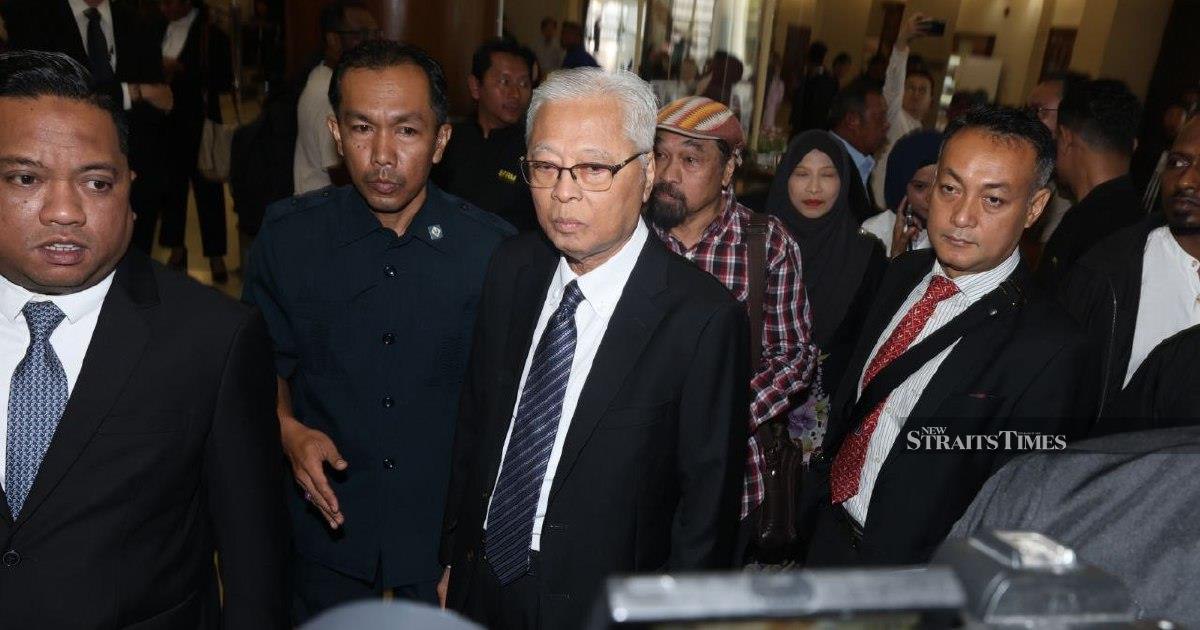
Former Prime Minister Datuk Seri Ismail Sabri Yaakob walked out of the Kuala Lumpur court complex after his son successfully posted RM300,000 bail on his behalf, marking a significant development in the legal proceedings against the veteran politician.
The bail arrangement represents a crucial juncture in Ismail Sabri's ongoing battle through the Malaysian legal system. The RM300,000 surety—a substantial sum that underscores the seriousness of the case—was made available through his son, indicating the family's commitment to supporting him through the judicial process. This move allows the former premier to maintain his freedom while facing the charges against him.
Ismail Sabri, who served as Malaysia's third Prime Minister from August 2021 to November 2022, has found himself navigating the country's legal landscape following his departure from the highest office of government. His time in the Prime Minister's chair was notably brief, occurring during a turbulent political period when Malaysia's coalition government faced mounting pressure and internal disputes that ultimately led to his stepping down.
The court appearance and subsequent bail posting reflect ongoing developments in Malaysia's legal accountability mechanisms, which have intensified scrutiny of high-ranking political figures in recent years. Multiple former senior officials have faced various charges, signalling what many observers view as a broader pattern of post-tenure legal investigations affecting Malaysia's political elite across different administrations and parties.
The RM300,000 bail arrangement comes within a context of Malaysian legal procedures governing bail for individuals facing serious charges. The amount reflects judicial assessments of flight risk, the severity of allegations, and the defendant's personal circumstances and community ties. As a former prime minister with significant roots in Malaysian society, the court likely considered these factors in determining bail conditions.
For Malaysian readers, this development carries implications beyond the immediate case. Ismail Sabri's situation exemplifies the complex intersection of politics and the justice system in Malaysia, where former leaders increasingly face legal challenges after leaving office. This trend has prompted public discourse about accountability, the independence of judicial institutions, and the political dimensions of legal proceedings affecting former government officials.
The bail posting arrangement also highlights the role family support plays in navigating Malaysia's legal system. His son's willingness to post bail demonstrates the personal and financial dimensions of high-profile legal cases, which often extend beyond the accused individual to affect families and their resources. This dynamic is particularly significant when studying how political cases evolve in Malaysia's complex social and economic environment.
The specifics of the charges against Ismail Sabri remain subject to ongoing court proceedings, but his release on bail enables him to continue his daily life while the legal process unfolds. This is standard practice in Malaysia's system, where bail allows individuals to remain outside custody pending trial, provided they meet specified conditions such as reporting requirements or restrictions on travel.
The case continues to attract attention from observers of Malaysian politics and the judiciary, particularly regarding how the legal system treats former prime ministers and senior political figures. The transparency of court procedures, the bail determination process, and the broader framework of political accountability have become subjects of national interest and debate among citizens concerned with governance and institutional integrity.
As Ismail Sabri navigates the legal challenges ahead, his case serves as a barometer for Malaysia's commitment to applying the law consistently across different strata of society, regardless of political status or previous high office. The coming months will likely see further court hearings and developments that will continue to shape public understanding of legal accountability in Malaysian politics.

