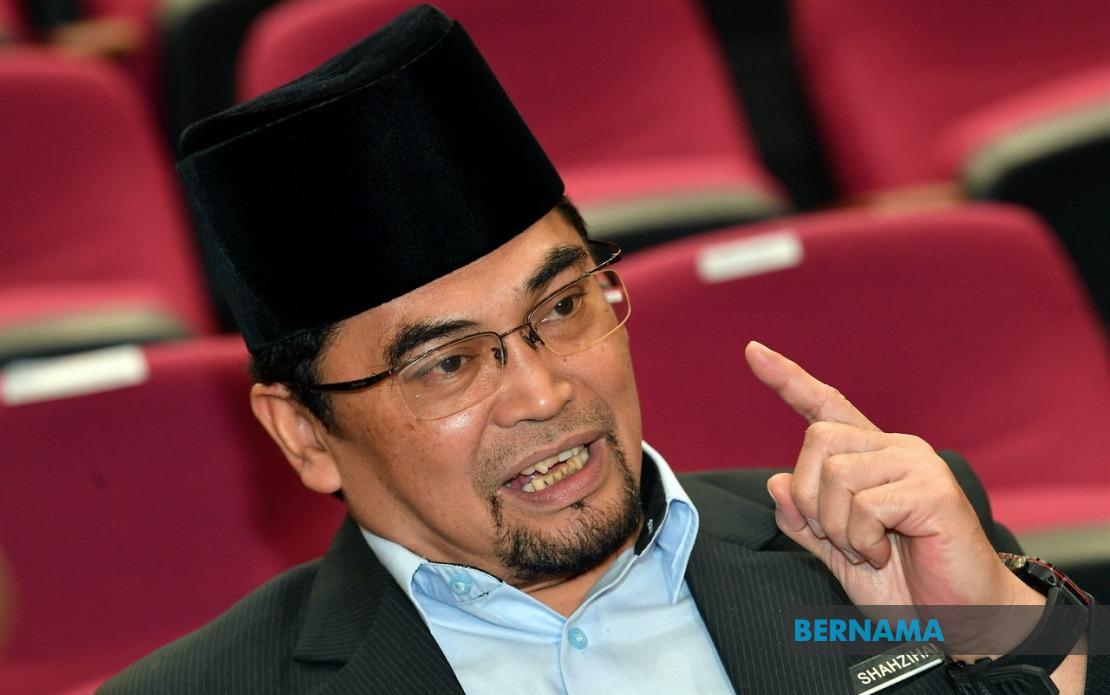
The Selangor Islamic Religious Department (JAIS) has moved to strengthen protections for students at religious schools across the state by implementing a comprehensive screening overhaul. Speaking at the conclusion of Selangor's preparatory course for overseas students travelling to the Middle East, JAIS director Datuk Mohd Shahzihan Ahmad outlined plans to introduce mandatory police clearance for teaching staff, marking a significant tightening of recruitment protocols that have come under scrutiny following recent incidents of alleged misconduct.
The push towards enhanced vetting procedures follows discussions between JAIS and the School Registration Committee, which identified gaps in the current system's ability to flag potential risks before individuals gain access to students. Datuk Mohd Shahzihan indicated that the department is actively engaging with law enforcement agencies to design a screening framework that balances security requirements with practical implementation. The proposed police clearance system represents a departure from existing practices and signals recognition that traditional hiring methods alone are insufficient to ensure institutional safety.
Beyond background checks, JAIS is formulating detailed guidelines governing the conduct and interaction patterns of teachers, administrators, and students within religious school environments. The department has identified that unsupervised settings and unusual circumstances create vulnerabilities that require explicit boundaries. These new protocols specifically target practices that foster inappropriate relationships, including the provision of preferential treatment to individual students and private sessions conducted outside normal operational hours or in isolated locations.
Particular attention is being paid to Islamic memorisation sessions, which represent a core pedagogical activity in religious schools but have emerged as potential risk situations when conducted without adequate oversight. The proposed framework mandates that such sessions occur during regular hours with multiple participants present, eliminating scenarios where individual students are alone with teachers. This approach acknowledges that the problem is not the activities themselves but rather the structural conditions that enable exploitation.
The regulatory response reflects growing concern within Malaysia's Islamic education sector regarding institutional safeguarding. Religious schools occupy a distinctive position in the national education landscape, often operating with greater autonomy than conventional public institutions and serving populations whose families may be reluctant to escalate concerns through formal channels. The lack of standardised security protocols has created inconsistency across different establishments, with protection standards varying significantly depending on individual leadership commitment rather than systematic enforcement.
For Malaysian parents considering religious schooling options, these developments carry immediate relevance. The introduction of police clearance requirements and structured oversight mechanisms should reduce the incidence of predatory individuals gaining employment, though implementation quality will depend on coordination between JAIS, police authorities, and individual school management. The practical effectiveness of the new interaction guidelines will similarly hinge on consistent enforcement and adequate staff training in recognising and reporting concerning behaviours.
The timing of these reforms is particularly significant given Southeast Asia's broader challenges with safeguarding in educational institutions. Malaysia's approach—combining background verification with environmental controls that limit unsupervised access—aligns with international best practice recommendations from child protection organisations. However, successful implementation will require sustained commitment and resource allocation, particularly training for staff who must enforce new boundaries without compromising the mentoring relationships that characterise Islamic education.
Economic and demographic pressures add complexity to the reform agenda. Many religious schools operate with limited budgets and depend on dedicated but sometimes inadequately trained staff. The cost of police clearance systems, additional supervision requirements, and training programmes may prove challenging for smaller institutions. JAIS will need to provide technical and financial support to ensure compliance across the sector rather than creating a two-tiered system where well-resourced establishments exceed standards while struggling schools fall behind.
The broader institutional context matters significantly. Religious schools in Selangor operate within a particular regulatory framework distinct from other states, meaning these reforms may not automatically extend to other jurisdictions unless adopted by their respective Islamic authorities. Parents in other states should monitor whether comparable safeguarding measures are being implemented in their regions, as current variation in standards creates inconsistent protection levels across Malaysia.
Implementation challenges will test the department's capacity to translate policy into practice. School administrators may resist prescriptive guidelines that they perceive as micromanagement, while teachers might view expanded screening as stigmatising their profession. Successfully embedding these changes requires stakeholder engagement, clear communication about the rationale for specific requirements, and acknowledgment that protecting children ultimately serves the interests of both institutions and educators committed to their professional responsibilities.
The investigation and subsequent reforms also underscore the importance of accountability mechanisms within religious schools. Established channels for students and parents to report concerns—distinct from general administrative processes—prove essential for identifying problems before they escalate. JAIS should complement structural changes with visible grievance procedures that encourage disclosure and demonstrate serious institutional commitment to responding appropriately.
Looking forward, these measures represent necessary but preliminary steps toward comprehensive safeguarding. Effective reform typically requires sustained effort beyond initial policy announcements, including regular audits of compliance, refinement based on implementation experience, and continuous engagement with school communities. The department's willingness to evolve procedures in response to identified vulnerabilities suggests openness to a learning process rather than presumption that the initial framework will prove sufficient.

