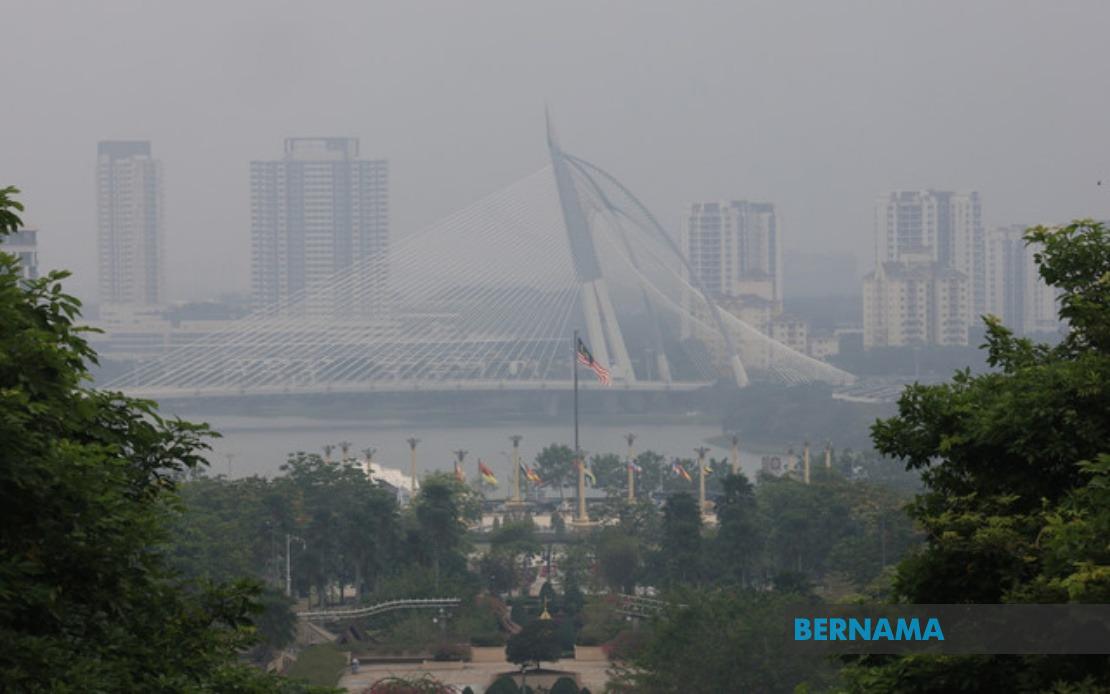
Malaysia's Islamic development authority is mobilising spiritual resources to address the escalating haze crisis gripping the nation. The Department of Islamic Development Malaysia (JAKIM) announced plans to hold Solat Hajat—a special prayer invoking divine intervention during times of hardship—at three prominent mosques under its purview this evening, responding to environmental conditions that have deteriorated across multiple regions.
The prayers will commence following Maghrib at the National Mosque in Kuala Lumpur, alongside simultaneous observances at Putra Mosque and Tuanku Mizan Zainal Abidin Mosque in Putrajaya. According to JAKIM director-general Datuk Dr Sirajuddin Suhaimee, the initiative represents an institutional acknowledgement of the severity facing communities as air quality indices have spiked dangerously across the country. The department seeks to unite the Muslim faithful in supplication for protection, wellness, security and restoration of normalcy throughout the affected territories.
This coordinated spiritual intervention reflects Malaysia's traditional approach of integrating religious observance with national crisis management. Datuk Dr Sirajuddin called upon all Muslims to participate actively, emphasising the universal nature of the petition being made to Allah SWT. His statement underscored the comprehensive scope of the prayer initiative—not merely seeking relief from immediate atmospheric conditions, but invoking broader blessings of safeguarding public health and restoring environmental stability in impacted communities.
The effort gains institutional weight through endorsement from Malaysia's highest religious office. The Sultan of Pahang, Al-Sultan Abdullah Ri'ayatuddin Al-Mustafa Billah Shah, previously issued a royal decree urging all Malaysians to engage in prayer and seek divine assistance for those suffering haze-related hardships. This top-level religious sanction provided the foundational impetus for JAKIM's coordinated mosque initiative. Complementing this royal directive, Minister in the Prime Minister's Department (Religious Affairs) Dr Zulkifli Hasan independently advocated for organised religious action, creating multi-level governmental and institutional momentum behind the prayer campaign.
The haze phenomenon continues to impose significant strain across the nation's territory. As of 8 am on the morning of the announcement, 17 distinct areas spanning six states registered unhealthy Air Pollutant Index readings. Affected jurisdictions include Sarawak, Selangor, Negeri Sembilan, Johor, Melaka and Perak, while both federal territories—Kuala Lumpur and Putrajaya—also recorded dangerous air quality metrics. This geographic distribution demonstrates the transnational scope of the crisis, as atmospheric pollution originating from regional sources impacts Malaysia's diverse landscape.
Haze episodes represent recurring environmental challenges for Southeast Asia, typically intensifying during specific seasons when agricultural burning in neighbouring regions combines with meteorological conditions to create hazardous particulate concentrations. The phenomenon affects population health substantially, contributing to respiratory complications, cardiovascular stress, and reduced visibility-related safety concerns. Malaysian authorities have traditionally responded through multi-sectoral approaches combining environmental monitoring, public health advisories, diplomatic engagement with source countries, and increasingly, community-based spiritual initiatives that acknowledge the cultural and religious dimensions of crisis response.
The involvement of Malaysia's three most prominent state mosques carries symbolic significance beyond religious observance. The National Mosque represents the institutional heart of Islamic practice within Malaysia's constitutional framework. Putra Mosque embodies the aspirational vision of Putrajaya as an administrative and spiritual centre. Tuanku Mizan Zainal Abidin Mosque stands as an architectural and religious landmark within the federal territory. Their simultaneous engagement in this prayer initiative demonstrates comprehensive institutional commitment spanning national, regional and symbolic religious spaces.
For Malaysian readers particularly concerned with environmental governance, this response illustrates how traditional religious institutions interface with modern environmental crises. Rather than treating haze purely as a technical or administrative problem requiring engineering solutions, Malaysian authorities acknowledge the spiritual and communal dimensions of crisis response. This reflects a broader Southeast Asian pattern where religious and traditional frameworks complement contemporary environmental management approaches.
The timing of this announcement—mobilising the faithful for evening prayers—suggests recognition that haze conditions may persist into the near term, requiring sustained rather than momentary intervention. The special prayer format acknowledges uncertainty about resolution timelines while channeling community anxiety into structured, culturally-rooted responses. For observers tracking how Muslim-majority nations integrate climate and environmental challenges with religious practice, Malaysia's approach offers instructive examples of pluralistic crisis management that respects both scientific understanding and spiritual frameworks.

