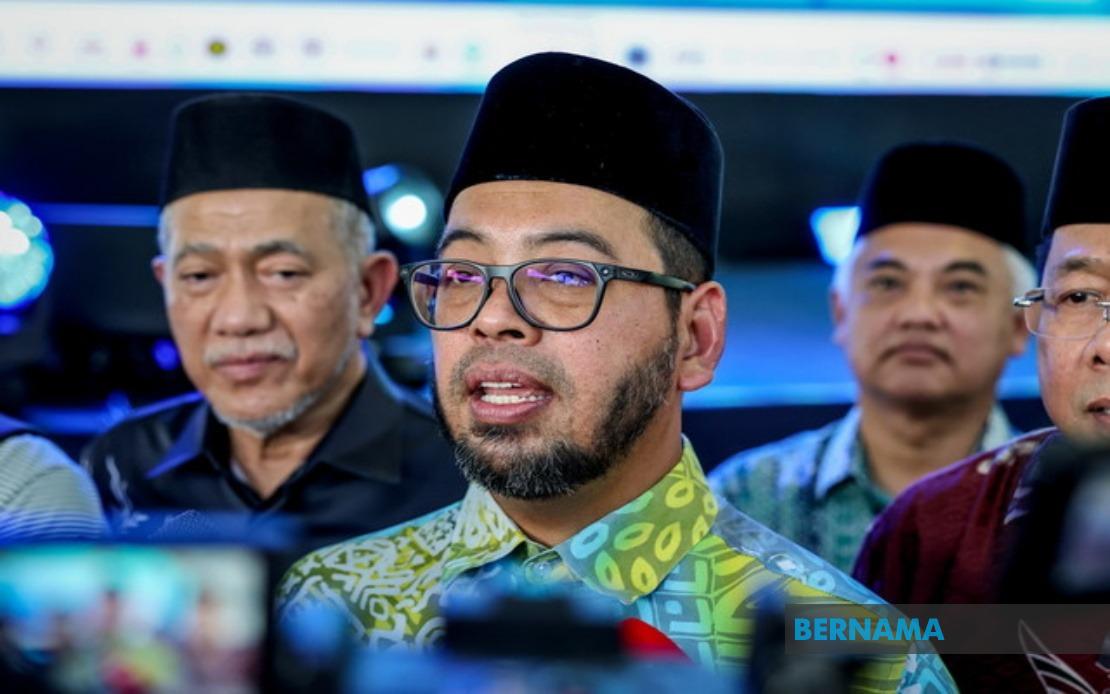
The Department of Islamic Development Malaysia (JAKIM) is moving to establish unified funeral management standards across the country, prompted by a viral incident that highlighted inconsistencies in how different regions handle burial procedures. Minister in the Prime Minister's Department (Religious Affairs) Dr Zulkifli Hasan announced the standardisation initiative while addressing reporters at an event in Bukit Mertajam, signalling the government's commitment to streamlining what remains a sensitive area of religious administration.
The announcement reflects growing recognition within Malaysia's Islamic governance structures that funeral services require clearer, more consistent protocols. While several states have already developed their own guidelines, JAKIM believes a comprehensive national framework will serve as a reference point for states that lack formalised procedures. The initiative also acknowledges the reality of Malaysia's federal system, where Islamic affairs fall primarily under state jurisdiction, necessitating cooperation between federal and state religious authorities to achieve meaningful standardisation.
Zulkifli emphasised that the refinement process accounts for both contemporary requirements and existing state legislation, ensuring that any new guidelines will complement rather than conflict with established legal frameworks. This careful balancing act is essential given Malaysia's constitutional architecture, where Islam is a state matter and each state has its own Islamic religious authority with distinct operational protocols. The minister's approach suggests JAKIM intends to act as a coordinator rather than impose uniformity by decree, working with state religious departments to enhance their existing procedures.
The timeline for completion remains deliberately flexible, with Zulkifli indicating that guidelines should materialise without excessive delay. He acknowledged that foundational frameworks already exist and require primarily refinement rather than complete reconstruction. This practical assessment suggests JAKIM has already conducted preliminary work and intends to move swiftly, though not at the expense of proper consultation with state authorities. The graduated approach reflects lessons learned from past attempts at centralising Islamic governance matters in a federal system.
The catalyst for this initiative stems from a Selangor incident involving Masjid Nurul Hidayah in Kampung Pandan Dalam, where allegations emerged of burial delays at the Ukay Perdana Muslim Cemetery in Hulu Kelang. The case became the focus of considerable online discussion and commentary, illustrating how funeral-related disputes can rapidly escalate and amplify across social media platforms. Rather than attempting to suppress discussion or impose top-down solutions, Zulkifli's response demonstrates preference for addressing underlying systemic gaps that allow such issues to emerge.
Responsibility for investigating and resolving the Selangor matter rests with state-level bodies, specifically the Selangor Islamic Religious Department (JAIS) and the Selangor Islamic Religious Council (MAIS). This delegation reflects appropriate constitutional boundaries and allows local authorities, who possess direct knowledge of circumstances and existing procedures, to handle resolution. MAIS chairman Datuk Salehuddin Saidin moved quickly to convene relevant parties, including the mosque management, the next of kin, and Badan Kebajikan Salatulrahim (BKS), demonstrating active engagement with the problem.
The approach taken by state authorities prioritises collaborative problem-solving over adversarial proceedings. By bringing stakeholders together, JAIS and MAIS create space for dialogue and identification of specific breakdowns that contributed to the delay. This methodology also builds potential solutions that account for the practical constraints and needs of all parties involved, from bereaved families to cemetery operations to religious institutional requirements. The emphasis on finding optimal outcomes for everyone involved suggests recognition that funeral management involves multiple competing interests requiring careful mediation.
For Malaysian readers, particularly those from Muslim-majority backgrounds, the standardisation initiative addresses a genuine gap in funeral service quality and consistency. Families navigating the death of loved ones require clarity about processes, timelines, and responsibilities, yet currently may encounter different requirements depending on their location. This inconsistency can compound grief and create unnecessary complications during vulnerable periods. By establishing clearer national standards, JAKIM aims to reduce confusion and ensure families understand what to expect regardless of where they live within Malaysia.
The initiative also carries broader implications for Malaysia's Islamic governance structures at a time when public confidence in religious institutions faces periodic challenges. Demonstrating proactive improvement in service delivery and responsiveness to community concerns can strengthen institutional credibility. The decision to address issues through systematic reform rather than defensive responses or attempts to minimise problems suggests a maturation in how religious authorities engage with public scrutiny and feedback mechanisms.
Zulkifli's call for calm and unity throughout the process acknowledges the emotional and religious significance of funeral matters. Deaths intersect deeply with faith, family honour, and community identity, making funeral procedures zones of particular sensitivity. Any standardisation effort must therefore proceed with careful attention to religious authenticity and community values, ensuring that reforms enhance rather than diminish religious solemnity and appropriateness of procedures.
The standardisation process will likely examine specific operational areas including communication protocols between bereaved families and burial authorities, timeline requirements for different procedural stages, cemetery management standards, and dispute resolution mechanisms. Clear guidance on these elements should reduce friction and prevent misunderstandings that currently allow problems to escalate. Additionally, the framework may establish training requirements for personnel involved in funeral management, ensuring consistent professional standards.
From a Southeast Asian perspective, Malaysia's approach to standardising funeral procedures offers a model for how plural societies can address religious governance challenges through systematic improvement and federal-state cooperation. As the region becomes increasingly urbanised and diverse, developing clear frameworks for religious services across multiple jurisdictions becomes increasingly important. Malaysia's experience may thus offer valuable lessons for neighbouring countries managing similar institutional coordination challenges within their own constitutional frameworks.

