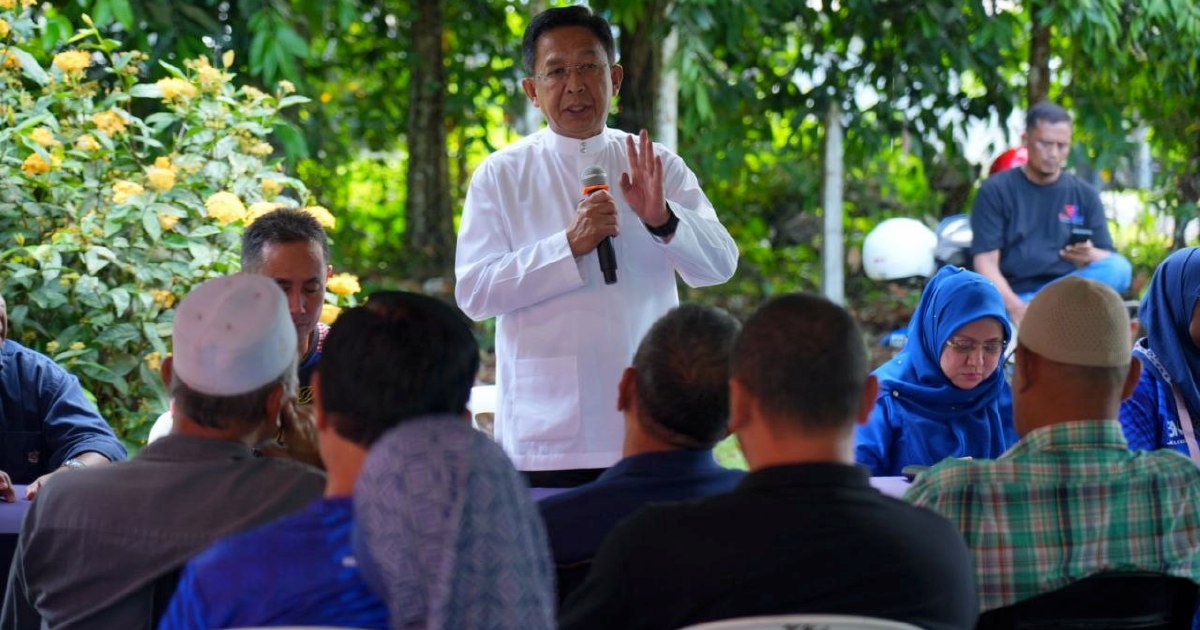
Perikatan Nasional is positioning Negri Sembilan Umno chairman Datuk Seri Jalaluddin Alias among the frontrunners to become the state's next menteri besar, should the opposition coalition's understanding with Barisan Nasional translate into victory at the ballot box on August 1. The announcement signals a strategic move within the opposition coalition to consolidate support among Umno grassroots ahead of the crucial Negri Sembilan election.
The naming of Jalaluddin as a potential chief minister reflects broader calculations within Perikatan Nasional regarding power-sharing arrangements and state-level governance following the election. By floating his candidacy publicly, coalition leadership aims to galvanise support from Umno's traditional voter base while demonstrating confidence in their electoral prospects. The move also underscores the intricate negotiations between PN and BN partners over the division of top positions in states they contest jointly.
Negri Sembilan has long been contested ground between federal ruling coalitions and opposition forces, making the state election significant beyond its immediate boundaries. The state's voting patterns often foreshadow broader electoral shifts across Malaysia, and a PN-BN victory would substantially alter the political landscape in this crucial state. Control of Negri Sembilan carries implications for regional stability and the distribution of development funds crucial for smaller states that depend heavily on federal allocations.
Jalaluddin's elevation to menteri besar contention reflects his standing within Negri Sembilan Umno hierarchy and his perceived acceptability across the PN coalition's diverse membership. The Umno faction within Perikatan Nasional has consistently pushed for prominent state-level positions as a condition of sustained participation in the opposition pact, and Jalaluddin's nomination addresses those internal political requirements. His background and experience position him as a credible administrator capable of managing state affairs, a consideration increasingly important to voters concerned about governance competence.
The August 1 election will determine not merely which coalition governs Negri Sembilan but also establish the template for power-sharing arrangements that may extend to future contests. Should PN-BN succeed, it will validate their partnership model as viable and potentially expandable to other states. Conversely, a loss would force both parties to reassess their collaborative framework and strategic positioning heading toward the next federal election cycle.
For Malaysian voters in Negri Sembilan, the menteri besar race carries immediate practical implications. The chief minister controls state budgets, development priorities, and administrative appointments that directly affect residents' daily lives. Education allocation, infrastructure investment, and local service delivery all hinge on leadership decisions made at the state executive level. The choice between competing menteri besar candidates therefore extends beyond factional politics to encompass substantive questions about state governance direction.
The coalition's decision to name Jalaluddin reflects confidence that combined PN-BN support can overcome the current ruling administration's incumbency advantages and organisational machinery. Menteri besar nominations historically occur only when coalitions believe themselves capable of winning, and the explicit naming of Jalaluddin suggests party strategists have conducted internal polling or assessment indicating sufficient support for victory. This public confidence, however, may also invite heightened scrutiny of both Jalaluddin's record and the coalition's broader policy platform.
Within the broader Southeast Asian context, Negri Sembilan's election exemplifies how opposition coalitions across the region navigate partnership dynamics while competing for power. The PN-BN arrangement in Negri Sembilan mirrors similar opposition alliances in other regional democracies that combine ideologically diverse partners to challenge incumbent administrations. Understanding these mechanics illuminates how electoral competition functions in Malaysia's federal structure and pluralistic political environment.
Jalaluddin's positioning as menteri besar prospect also reflects calculations regarding demographic shifts and voter preferences in Negri Sembilan. The state's electorate has evolved considerably over the past decade, with younger voters, urban professionals, and increasingly diverse ethnic constituencies reshaping traditional voting patterns. Coalition strategists likely believe Jalaluddin can appeal across these demographic segments while retaining core Umno support, making him an optimal candidate to maximise the coalition's electoral reach.
The road to August 1 will undoubtedly witness further developments in candidate nominations, policy rollouts, and coalition positioning. Both ruling and opposition camps will intensify campaigning, with menteri besar aspirants becoming increasingly visible to voters. The explicit naming of Jalaluddin effectively launches his campaign and shapes media narratives around Negri Sembilan's political future. From this point onward, his profile, statements, and perceived viability will influence how voters assess the coalition's readiness to govern and the quality of leadership they can expect should opposition forces prevail.

