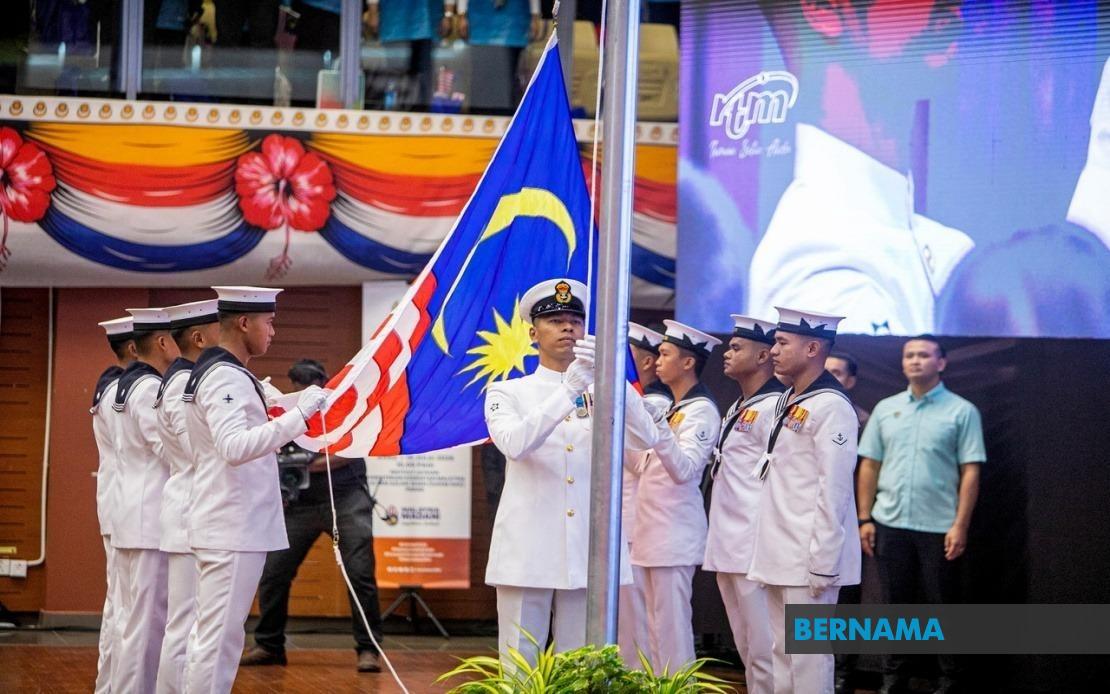
Prime Minister Datuk Seri Anwar Ibrahim has resurrected the ceremonial Jalur Gemilang flag-raising tradition, bringing back a patriotic ritual that had lain dormant for two years. The symbolic gesture took place in Ipoh during the formal launch of the 2026 National Month and Fly the Jalur Gemilang campaign, signalling the government's renewed emphasis on national pride and civic unity as Malaysia approaches its independence anniversary celebrations.
The revival of this ceremony carries significance beyond mere procedural formality. By reinstating the flag-raising ritual, which had been absent from official proceedings since 2024, the government demonstrates a commitment to rekindling public engagement with national symbols and patriotic observance. The choice to revive the ceremony now, ahead of the dual celebrations of National Day on August 31 and Malaysia Day on September 16, underscores the administration's strategy to build momentum around national identity themes in the coming months.
The event unfolded at the Sultan Azlan Shah Ministry of Health Training Institute in Tanjung Rambutan, where Anwar formally inaugurated the nationwide campaign before transferring a specially prepared Jalur Gemilang to a nine-member contingent from the Royal Malaysian Navy's Lumut Base. Led by Chief Petty Officer Mohamad Razif Aliff Md Yusof, the naval team proceeded to hoist the flag, which measured 1.82 metres by 3.65 metres, while attendees joined in singing the national anthem Negaraku. The involvement of military personnel in the ceremony reflects the armed forces' traditional role as custodians of national symbols and unity.
Immediate proceedings incorporated elements designed to deepen civic reflection and engagement. Following the flag-hoisting, trainee Muhammad Ammar Mohd Asri recited the Rukun Negara pledge, reaffirming Malaysia's foundational constitutional principles of sovereignty, democracy, constitutionalism, rule of law, and good conduct. Guests stood respectfully throughout, their silence punctuated only by the national anthem, creating a solemn atmosphere that channelled collective national consciousness. This deliberate pacing and structure suggested careful orchestration intended to evoke genuine emotional resonance rather than mere ceremonial compliance.
The Fly the Jalur Gemilang campaign itself represents an annual initiative encouraging Malaysian households and businesses to display the national flag throughout the National Month period. By framing flag display as an accessible form of patriotic expression, the campaign democratises national pride, shifting participation from government-led events to grassroots citizen engagement. For Malaysian households and commercial establishments, displaying the Jalur Gemilang becomes a visible commitment to national unity and identity, particularly important in a multicultural society where such collective symbols can bridge diverse communities.
Musical accompaniment added another dimension to the launch's cultural messaging. Singer-songwriter Faizal Tahir composed and performed "Aku Berjanji," designated as the official theme song for the 2026 National Day and Malaysia Day celebrations. Released for public download through the Merdeka360 portal beginning at 12.30 pm on the day of the ceremony, the song provides a contemporary cultural hook through which Malaysians can engage with national themes. The integration of popular music into official national celebrations reflects evolving approaches to civic engagement, recognising that younger demographics often respond more readily to entertainment mediums than traditional government communication channels.
The broader calendar of observances extends over two months, encompassing numerous patriotic programmes and activities scheduled across the nation. This extended timeline allows sustained engagement rather than concentrating festivities into brief ceremonies, maximising opportunities for diverse communities to participate according to their own circumstances and preferences. The deliberate spacing also permits regional authorities, local governments, and community organisations to develop contextualised programming reflecting their constituents' specific interests and cultural backgrounds.
For Malaysian observers, the return of formal flag-raising ceremonies carries particular resonance within the regional context. Southeast Asian nations have increasingly emphasised national symbols and patriotic observance as unifying forces amid globalisation pressures and demographic change. By reviving this ceremonial practice, Malaysia joins regional peers in leveraging traditional expressions of national identity as contemporary governance tools. The ceremony thus represents not merely nostalgic recapture of past practice but rather a calculated reassertion of national cohesion mechanisms in an evolving political landscape.
The timing of the ceremony's revival also merits consideration alongside broader Malaysian political developments. The gathering under Anwar's stewardship, uniting government officials, military representatives, and trainee citizens in collective national observance, projects images of institutional unity and purposeful leadership. Such visual symbolism carries weight in Malaysian political communication, where ceremonial occasions frequently carry implicit messaging about governmental stability and national direction.
Looking forward, the success of the revived Jalur Gemilang ceremony will likely influence official approaches to subsequent national celebrations. Should public response prove positive and participation rates in the Fly the Jalur Gemilang campaign exceed previous years, the government may consider expanding ceremonial elements or incorporating additional patriotic rituals into future National Month observances. Conversely, lukewarm reception might prompt recalibration of strategy, potentially directing resources toward digital engagement platforms or community-based initiatives rather than centralised ceremonial events.

