Japan has committed US$15 million in emergency grant assistance to address pressing humanitarian crises across West Asia, according to Foreign Minister Toshimitsu Motegi. The allocation reflects Tokyo's strategic concern for regional stability and its willingness to engage diplomatically in one of the world's most volatile geopolitical zones. The announcement underscores Japan's broader approach to Middle Eastern affairs, where economic and humanitarian engagement complements its security partnerships with regional allies.
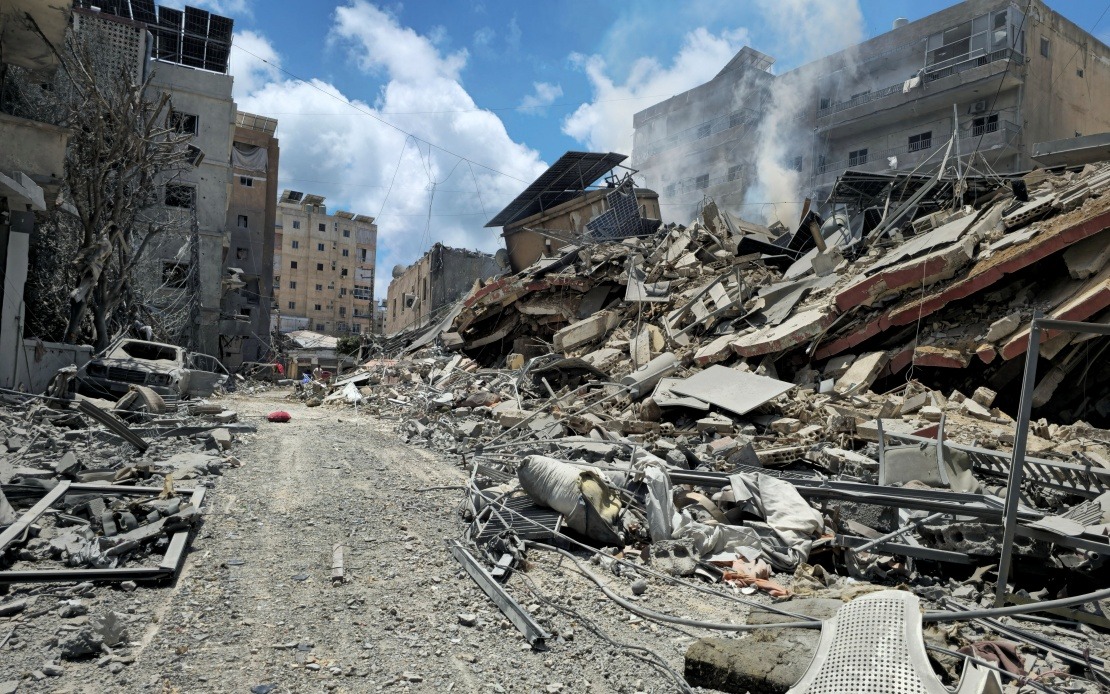
The aid distribution reveals Japan's assessment of relative need across the region. Iran will receive approximately US$10 million, by far the largest share, reflecting the scope of humanitarian challenges facing the country amid international sanctions and economic pressures. Lebanon will receive about US$4 million, addressing acute shortages of essential resources in a nation grappling with economic collapse and political dysfunction. Palestinians in the West Bank will receive US$1 million, contributing to ongoing humanitarian support in territories experiencing chronic instability and resource constraints. This tiered approach suggests Japan has prioritised assistance based on population scale, severity of need, and existing humanitarian gaps.
The assistance will arrive through established international organisations rather than direct bilateral channels, a methodology that allows Japan to leverage existing humanitarian infrastructure while maintaining some diplomatic distance from contentious regional politics. By routing aid through multilateral institutions, Tokyo can ensure efficient distribution and reduce the risk of assistance becoming entangled in local power struggles or international disputes. This approach also aligns with Japan's preference for working within established international frameworks, a consistent feature of its foreign policy since the post-war period.
The specific focus on food and medical supplies addresses immediate survival needs in regions where conflict, economic dysfunction, and infrastructure breakdown have created acute shortages. Food security remains precarious across all three recipients, with sanctions, conflict, and currency collapse creating barriers to accessing adequate nutrition. Medical supply shortages have reached critical levels in several areas, complicating treatment of both chronic conditions and injuries sustained through conflict. By targeting these essentials, Japan's aid directly addresses life-or-death requirements rather than longer-term development or reconstruction projects.
Motegi's framing of the assistance as essential to Middle Eastern peace and stability reveals how Tokyo views humanitarian aid as an instrument of foreign policy. Japan, as an energy-dependent nation heavily reliant on Middle Eastern oil and gas imports, has consistent strategic interests in regional calm. Instability in West Asia has historically driven up energy prices and disrupted supply chains, directly affecting Japanese economic performance. This aid package should be understood partly as an investment in the conditions necessary for reliable regional functioning that benefits Japan's energy security and broader economic interests.
The timing of this announcement reflects Japan's recognition that West Asian humanitarian conditions have deteriorated significantly. Iran faces compounding crises from sanctions, currency devaluation, and the collapse of public services. Lebanon's economic meltdown has pushed the country toward state failure, with banks unable to function normally and the currency having lost over 90 percent of its value. Palestinian areas continue experiencing restrictions on movement and resource access that undermine living standards. Japan's willingness to commit new funds suggests Tokyo assesses these situations as requiring immediate international response rather than waiting for political solutions that may take years to materialise.
For Malaysia and other Southeast Asian nations, Japan's West Asia engagement offers important lessons about balancing humanitarian concern with strategic interest. Like Japan, Southeast Asian countries depend on Middle Eastern energy supplies and have general interests in regional stability. Japan's humanitarian approach demonstrates how middle-power nations can contribute to crisis response without positioning themselves as primary conflict mediators or security guarantors. This model allows countries to maintain relationships across regional divides while addressing shared humanitarian imperatives.
Japan's continued emphasis on working with relevant countries and international organisations signals its commitment to multilateral approaches rather than unilateral action. This stance contrasts with approaches favouring direct bilateral aid or conditional assistance tied to political demands. By emphasising partnership with existing international bodies, Japan maintains flexibility in its Middle Eastern diplomacy while contributing constructively to humanitarian needs. This approach permits Japan to engage with Iran despite broader international tensions surrounding that country, framing assistance as a humanitarian imperative rather than a political statement.
The US$15 million commitment, while significant in absolute terms, remains modest compared to humanitarian needs across West Asia. Major humanitarian organisations estimate annual requirements across the region in the hundreds of millions of dollars. Japan's contribution should be understood as maintaining Japan's profile and demonstrating commitment rather than resolving underlying crises. Nevertheless, such assistance carries symbolic weight, affirming that developed nations recognise responsibilities toward populations experiencing acute suffering regardless of geopolitical complications.

