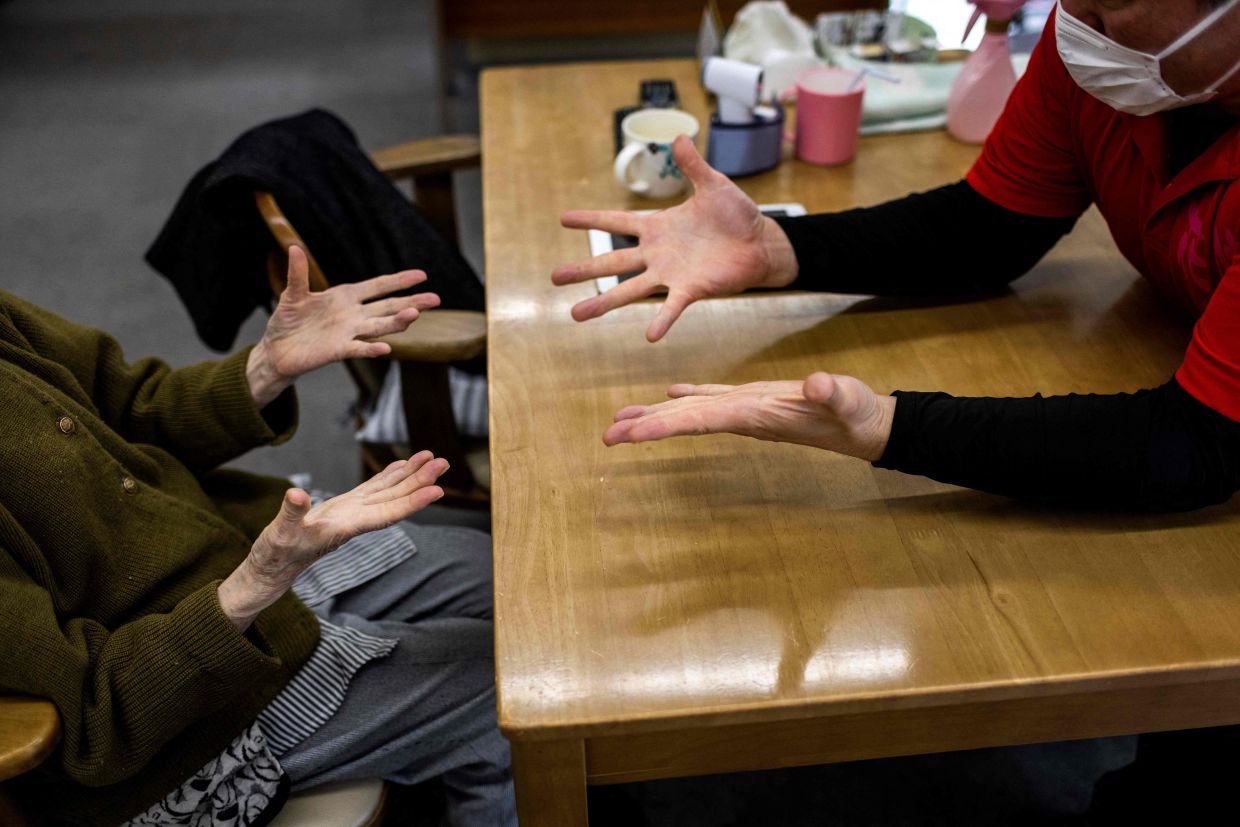
Japan's super-ageing society is confronting an uncomfortable question through an unconventional medium: a film that dares to suggest removing the limbs of immobilised elderly patients could ease the strain on an overstressed caregiving system. The controversy stems from "Haiyoshin (Useless Body)," a decades-old novel by former geriatric specialist Yo Kusakabe, which has finally reached cinemas after being deemed unfilmable when first published in 2003. The film's recent release in Japan has generated fierce reactions online, with viewers labelling it everything from "shocking" and "most controversial film of the year" to "terrifying madness," though some observers have found intellectual merit in its grim premise.
Kusakabe, a 70-year-old physician from Osaka, conceived his provocative narrative as a thought experiment about the structural collapse threatening Japan's care industry. In the novel's dystopian framework, a young doctor advocates for what he terms "A-care (Amputation Care)," proposing that removing paralysed or immobile limbs could fundamentally reshape the economics and ergonomics of elder care. The author's reasoning, however extreme, emerges from observable realities within care facilities: immobilised appendages complicate bathing routines, snag on clothing, and significantly increase the physical burden on predominantly female caregivers tasked with lifting patients who often weigh substantially more than their diminishing strength allows. Kusakabe articulates this calculus bluntly—amputating useless limbs would render patients lighter, reduce injury risk among caregivers, and potentially prevent the complete breakdown of a system already showing critical strain.
The demographic backdrop lending urgency to this fictional scenario cannot be overstated. Japan currently has the world's second-oldest population, with nearly one in three citizens aged 65 or older. Government projections forecast a shortage of approximately 570,000 care workers by 2040, a deficit that threatens to render current care models mathematically impossible. Kusakabe frames his novel not as a blueprint for policy but as a warning: Japan's care infrastructure remains functional today, yet with the elderly population requiring care continuously expanding, the sector is inexorably approaching a breaking point that will force uncomfortable conversations about resource allocation and dignity in end-of-life care.
The grim reality underscoring Kusakabe's concerns manifests in tragic headlines across Japan. The phenomenon of "kaigo satsujin" (caregiving murders)—homicides committed by overwhelmed, often family-member caregivers—occurs with horrifying regularity. An investigation by public broadcaster NHK in 2016 revealed that such tragedies occur approximately once every two weeks. Kusakabe observes that should such incidents proliferate further, radical interventions like amputation might eventually emerge not as medical innovation but as desperate institutional response. This framing inverts typical bioethics discourse: rather than amputation being imposed, Kusakabe suggests desperate systems facing collapse might present it as an option to families unable to continue providing care.
Central to the novel's ethical framework is the contention that immobilised limbs cause patients suffering rather than serving them. Kusakabe recalls genuine encounters during his medical career with patients who yearned for liberation from paralysed arms and legs that produced constant pain, prevented movement, and involuntarily convulsed. The film depicts amputees subsequently experiencing improved quality of life—engaging in activities like balloon-tossing and manoeuvring wheelchairs with newfound agility, freed from the burden of damaged appendages. This framing raises a profound question about what dignity means for severely disabled elderly patients: Is dignity preserving a fully intact body while forcing patients through agonising routines of feeding, bathing, and dressing when immobilised limbs make every gesture painful? Or does dignity reside in pain reduction and functional autonomy, even at the cost of bodily wholeness?
Kusakabe's critique extends beyond the immediate care relationship to encompass broader patterns in Japanese end-of-life medicine. In contemporary Japan, feeding tubes and intravenous nutrition for patients aged 75 and older receive extensive insurance coverage and are routinely deployed to sustain bedridden patients indefinitely. Families, according to Kusakabe, often feel psychologically compelled to pursue aggressive interventions, unable to tolerate doing "nothing" for dying relatives, frequently unaware that such treatments might prolong suffering rather than extend meaningful life. This contrasts starkly with Scandinavian approaches, particularly in Sweden and Denmark, where palliative care best practices often dictate that patients who cease eating naturally are permitted to die rather than subjected to artificial feeding technologies.
The ideological difference Kusakabe identifies reflects deeper cultural patterns in how Japan approaches mortality and obligation. Japanese medical culture, he argues, operates from an unexamined assumption that preserving biological life represents an absolute moral imperative, regardless of suffering or functional capacity. This framework, while rooted in values of care and familial responsibility, inadvertently creates conditions where caregivers become trapped in unsustainable routines of maintaining biological functions in patients experiencing minimal quality of life. Kusakabe contends that Japan's inability to adopt what he terms a "bold, rational approach" to end-of-life decisions—accepting death when it emerges naturally rather than technologically forestalling it—paradoxically makes radical solutions like amputation care unlikely to gain acceptance, even as care crises intensify.
The film itself ultimately undermines the protagonist's confidence in amputation care as solution. A tragedy within the narrative shatters the initial optimism surrounding elective amputation, suggesting that no single intervention can adequately address systemic collapse. Yet by presenting this possibility seriously rather than dismissing it outright, the adaptation forces viewers to confront uncomfortable questions about how societies accommodate unprecedented numbers of severely disabled elderly citizens. The movie's reception—simultaneously horrifying and thoughtful—reflects Japanese audiences' recognition that traditional approaches have already exhausted their capacity.
For Malaysia and Southeast Asia broadly, Japan's caregiving crisis offers a cautionary template. Regional populations are greying rapidly, yet most Southeast Asian nations lack Japan's economic resources and infrastructure to build alternative care systems. Malaysia's median age has risen substantially, and projections suggest similar workforce shortages within two decades. Kusakabe's novel, regardless of whether amputation care gains any serious consideration, ultimately functions as provocation toward honest reckoning with end-of-life ethics and resource allocation that most countries prefer avoiding until crisis forces their hand.

