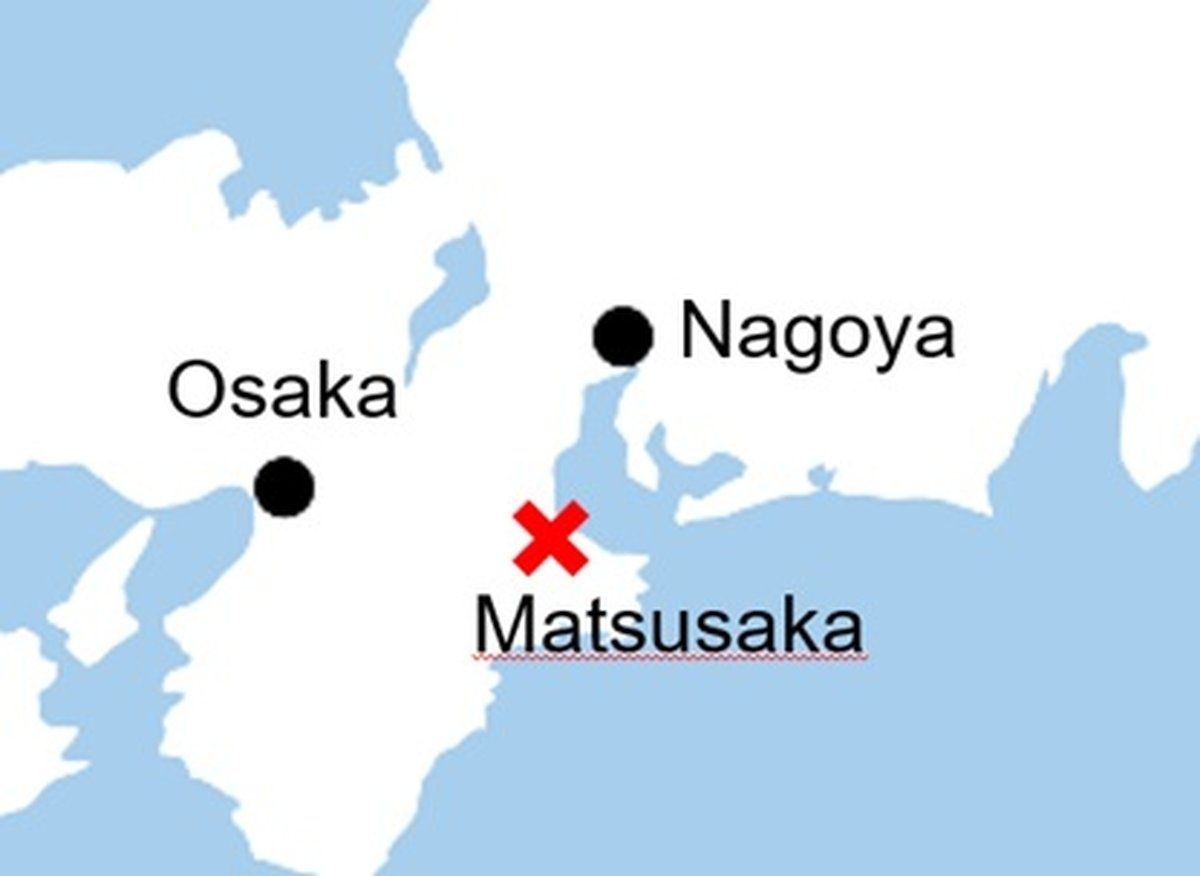
A 35-year-old resident of Matsusaka in Japan's Mie Prefecture has been taken into police custody following allegations that he placed his partner's five-year-old daughter inside a garbage can and sealed the lid shut. The arrest came on Thursday, June 18, marking the culmination of an investigation that began when child welfare authorities in the region were alerted to the incident weeks earlier. Police confirmed that the suspect has already acknowledged responsibility for the alleged confinement.
The incident itself occurred on the evening of May 12 at the family residence in Mie Prefecture. According to law enforcement officials, the man transported the young girl to a garbage container in or near the home at approximately 6:30 pm and placed her inside before closing the lid. The child remained confined in this manner for around five minutes before being released. Significantly, the girl sustained no physical injuries during the ordeal, though the psychological impact of such an experience on a young child cannot be readily assessed from police statements alone.
What distinguishes this case is the suspect's characterization of his actions. Rather than displaying remorse or acknowledging wrongdoing, the man described the confinement as a form of discipline—a justification that underscores a troubling gap between parental authority and child abuse in some domestic settings. This framing reveals how perpetrators may rationalize severe mistreatment of children within the household as legitimate corrective behavior, a perspective that contradicts established child protection standards in Japan and internationally.
The discovery of this abuse followed a delayed reporting timeline. The child welfare center in the region did not become aware of what had transpired until May 20, eight days after the incident. This lag raises questions about how such incidents come to light and whether immediate disclosure mechanisms exist within families or communities where children are at risk. Once notified, the welfare authorities acted promptly by contacting police, demonstrating the coordination between social services and law enforcement in child protection cases.
Beyond the immediate victim, the incident has extended consequences for other family members. The five-year-old girl's older sister has also been placed into the protective custody of the child welfare center, suggesting that authorities determined the household environment posed risks to multiple children. This broader intervention reflects standard practice in Japanese child protection, where evidence of abuse toward one child prompts assessment of vulnerability across the entire family unit.
The case illuminates ongoing challenges in combating domestic abuse and child maltreatment in Japan, a developed nation that nonetheless grapples with hidden violence within homes. Many instances of child abuse go unreported for extended periods, particularly when the perpetrator is a family member or parental figure with authority over the victim. Young children in especially vulnerable positions—such as stepchildren or foster children—may lack independent means to report abuse or may be conditioned to remain silent through fear, manipulation, or normalization of violence.
For Malaysian and Southeast Asian observers, this incident serves as a reminder of the universal nature of child protection challenges. While Japan possesses sophisticated social welfare systems and a robust legal framework against child abuse, lapses in detection and delays in intervention still occur. Regional child protection advocates have consistently pointed out that investment in public awareness campaigns, accessible reporting mechanisms, and training for educators and healthcare workers remains essential across the region.
The psychological aspect of confinement as punishment deserves particular attention. Placing a small child in a confined, dark, and enclosed space can inflict severe emotional trauma even without physical harm. Such actions constitute not merely excessive discipline but deliberate psychological intimidation—a form of abuse recognized by child psychology and international child rights frameworks as inherently damaging to development, trust, and mental health.
Japanese law addresses such conduct through provisions against child abuse and neglect. The suspect faces charges stemming from the alleged confinement, and his admission of guilt may streamline proceedings, though the outcome will ultimately depend on judicial assessment and sentencing guidelines. The case is likely to contribute to ongoing discussions within Japanese society about the boundaries of parental discipline, the role of social services in early intervention, and mechanisms for protecting children who cannot advocate for themselves.
This incident also highlights the critical role of third-party awareness. Whether through schools, healthcare providers, extended family, or neighbors, the detection and reporting of child abuse frequently depends on adults outside the immediate family noticing warning signs. The delay between the May 12 incident and the May 20 report underscores the value of systematic screening, mandatory reporting obligations, and community vigilance in safeguarding vulnerable children from continued harm.

