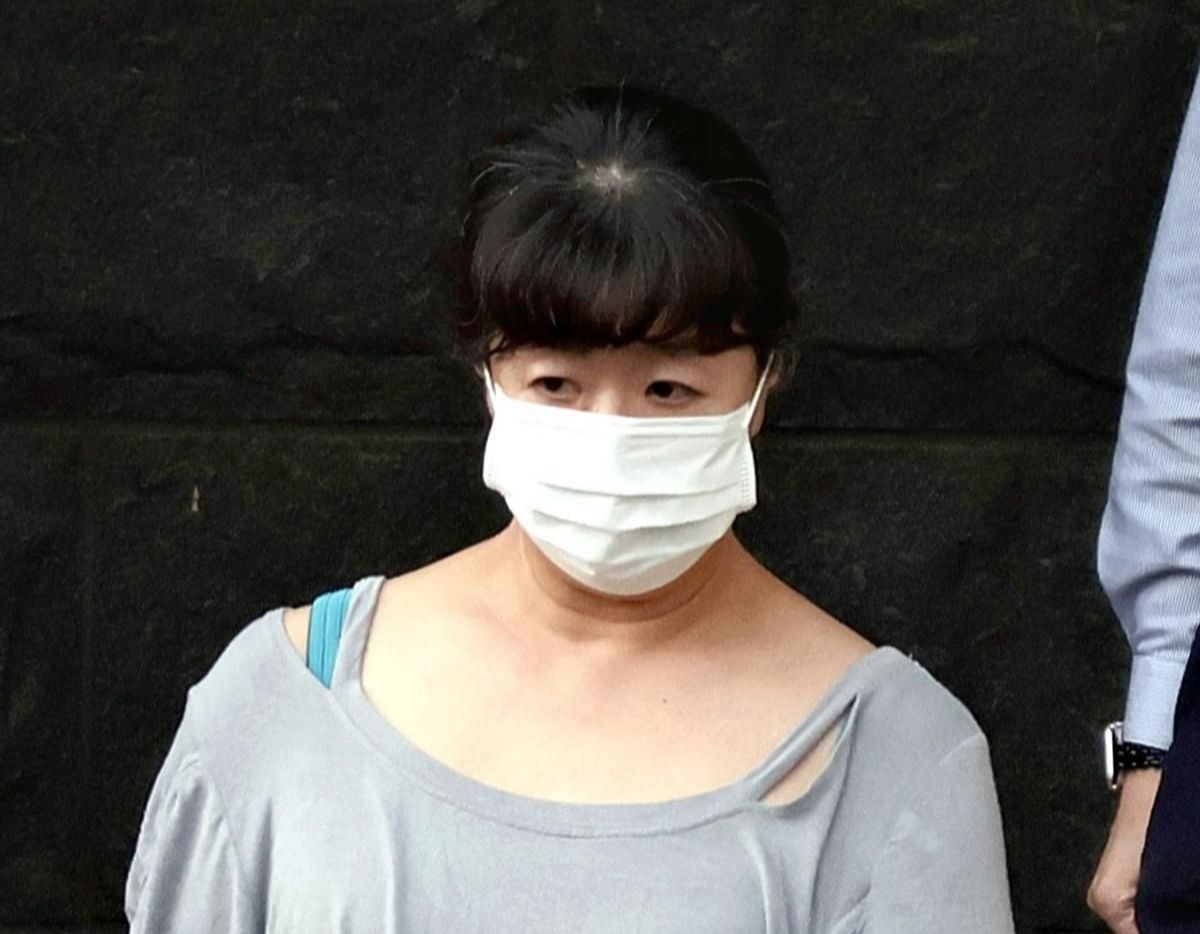
A 51-year-old midwife in Japan's Chiba Prefecture has been arrested and charged with murder following an extraordinary incident at a local hospital in which she is suspected of deliberately contaminating a patient's intravenous drip with faecal matter. Miyuki Furukawa, who worked at Kashiwa Tanaka Hospital in Kashiwa city, was taken into custody on Wednesday, July 15, over the death of a 75-year-old male patient from Toride in neighbouring Ibaraki Prefecture who died on January 31 after being admitted to the facility.
According to police investigations, Furukawa allegedly inserted faeces into the extension tube of the patient's IV line at approximately 3.55 am on January 30, an action that authorities believe directly contributed to the man's death roughly 19 hours later. The case represents one of the more severe allegations of medical malpractice to emerge from Japan in recent years, fundamentally challenging public confidence in hospital safety systems. The Chiba prefectural police have launched a comprehensive investigation into Furukawa's motivations and circumstances surrounding the incident, though her specific motive remains unclear at this early stage of proceedings.
The deliberate contamination of medical equipment constitutes a particularly insidious form of harm, as patients hospitalised in intensive care settings rely entirely on their medical teams to maintain sterile conditions and follow established protocols. The introduction of faecal matter into an intravenous system would create significant risk of sepsis and systemic infection, conditions that prove especially dangerous in elderly patients whose immune systems are already compromised by underlying health conditions. That a healthcare professional would weaponise the trust inherent in the doctor-patient relationship in such a manner has sent shockwaves through Japan's medical establishment.
The case raises troubling questions about workplace oversight and monitoring systems within Japanese hospitals. Kashiwa Tanaka Hospital has not yet made a public statement regarding the incident or disclosed what internal safety measures may have failed to detect the alleged tampering. Most modern hospital protocols require regular checks of IV lines and monitoring for signs of contamination, yet it appears this patient's line was not examined or checked frequently enough to prevent the alleged act or identify the contamination immediately.
Maternity wards and general hospital units operate under different regulatory frameworks, and Furukawa's background as a midwife raises questions about whether she possessed authorisation to work in the areas where this patient was being treated. If she operated outside her designated role or scope of practice, this would represent a significant regulatory failure on the part of hospital management. Hospital administrators across Japan are likely reviewing their staffing protocols and access control measures in response to this incident.
The timing of the alleged contamination, occurring in the pre-dawn hours when hospital corridors are typically less populated and supervision is reduced, suggests either opportunistic action or deliberate planning to avoid detection. This aspect of the case may prove significant in establishing whether Furukawa acted impulsively or with premeditation, a distinction that could influence the severity of her ultimate sentence.
For Malaysian healthcare professionals and hospital administrators, this case serves as a stark reminder that workplace violence and malicious acts by medical staff, while rare, demand robust institutional safeguards. The incident underscores the critical importance of implementing comprehensive background checks, psychological evaluations, and ongoing monitoring systems for healthcare workers who have direct patient contact. Malaysia's healthcare regulatory bodies, including the Malaysian Medical Council and the Nursing Board, may consider whether additional oversight measures are warranted following this disturbing case.
The incident also highlights the particular vulnerability of elderly hospitalised patients, who often cannot adequately monitor their own care or report suspicious activities to family members in real time. Hospitals must balance patient privacy with the need for adequate monitoring and supervision, particularly for isolated or vulnerable patients without frequent family visitors. Family presence and regular communication channels can serve as important safeguards against undetected maltreatment.
As the investigation unfolds, the Japanese legal system will need to establish conclusive evidence linking Furukawa's actions directly to the patient's death. Toxicological analysis, medical records, and forensic evidence will be crucial in building the prosecution's case. The outcome of this case will likely influence how Japanese hospitals and regulatory authorities approach workplace safety and patient protection protocols moving forward, potentially establishing new precedents for handling allegations of malicious harm by healthcare personnel.

