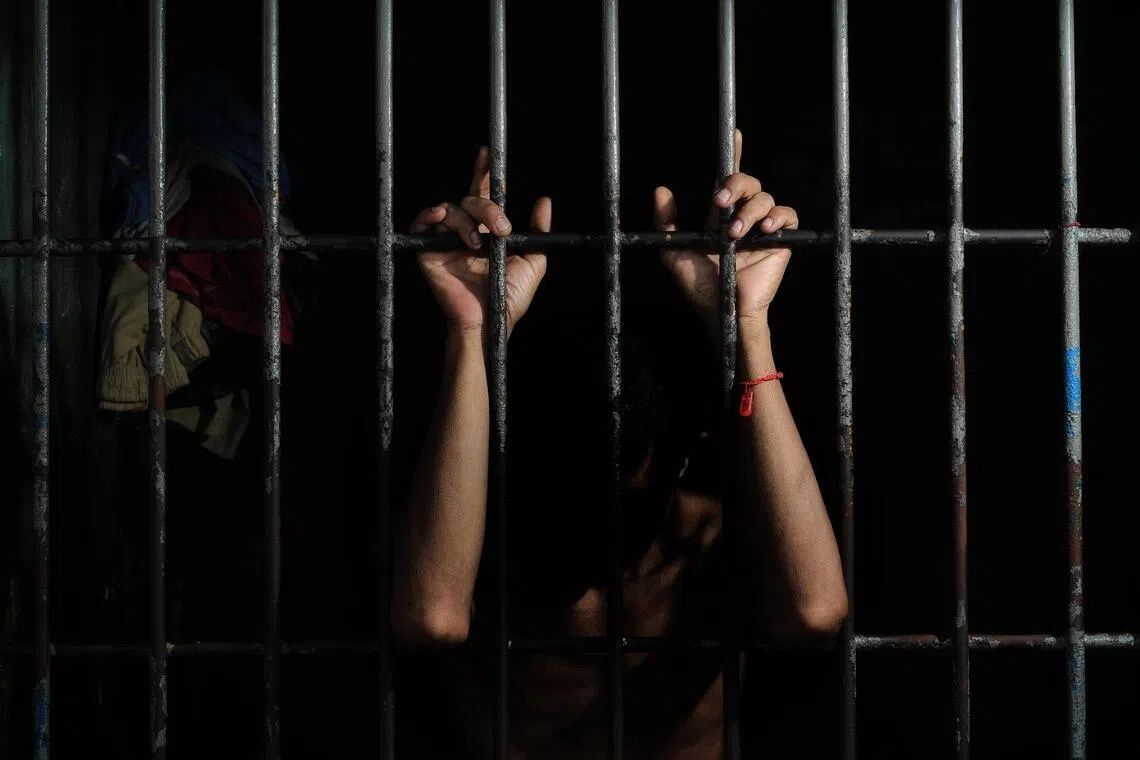
A bereaved Japanese mother has filed a lawsuit against the state seeking 100 million yen in compensation for the death of her teenage daughter, whose health deteriorated catastrophically during and after a prolonged police detention that critics argue exemplifies the nation's problematic approach to criminal justice. The case, which reached Kobe district court on June 17, centres on a 16-year-old girl identified by the pseudonym Runa, who died in December weighing just 20 kilograms after suffering severe physical and psychological trauma stemming from an 18-day ordeal in custody the previous summer.
The circumstances surrounding Runa's arrest and detention have galvanised fresh debate about Japan's criminal justice system, which human rights advocates describe as fundamentally skewed against suspects. In June of the prior year, Runa was taken into custody at a facility in Hyogo prefecture where she worked caring for people with disabilities. She faced allegations of assaulting a client during a Valentine's Day celebration, though she has consistently maintained her innocence. According to her legal team, she was attempting to prevent the patient from biting another person by gently applying pressure to their chin—an action that authorities interpreted as assault worthy of custodial interrogation.
The system under which Runa was detained embodies what Japanese rights campaigners term "hostage justice"—a framework wherein the state effectively leverages prolonged pre-trial imprisonment as leverage to extract confessions from suspects. Rather than treating innocence as a foundational presumption, Japan's criminal apparatus has historically relied upon confession-dependent prosecution strategies, with detainees frequently denied family contact and subjected to relentless questioning designed to break down resistance. During her confinement, Runa was prevented from seeing her mother and could communicate only with her legal representatives, creating an atmosphere of isolation that compounded the psychological pressure bearing down upon her.
Masahiro Sasaki, the lawyer representing Runa's family, has provided disturbing details of the interrogation tactics employed. According to a journal Runa maintained while detained, investigators repeatedly asserted her guilt using leading questions and emotional manipulation. Officers threatened her with placement in a reformatory and suggested she would be permanently separated from her mother unless she confessed to the alleged assault. Such coercive tactics, Mr Sasaki contends, are especially egregious when deployed against a minor with no prior disciplinary record and every reason to cooperate voluntarily.
The prosecution's decision to prolong Runa's detention appears particularly indefensible given the trivial nature of the allegations and her complete lack of criminal history. Prosecutors twice sought extensions of her custody while simultaneously blocking her lawyer's attempts to petition a judge for her release. This obstruction continued despite the absence of any credible evidence suggesting she posed a flight risk or might destroy evidence. The legal threshold for detaining juveniles mandates that such measures be undertaken only when absolutely necessary—a standard that Sasaki argues was manifestly violated in Runa's case.
The psychological toll of this ordeal rapidly became apparent. Medical evaluations following her release diagnosed Runa with acute stress disorder, eating disorder, and post-traumatic stress syndrome. These conditions proved not merely transient but profoundly debilitating. Within five months of her discharge from custody, her weight had collapsed to 20 kilograms, a figure her mother found almost incomprehensible. Speaking at a news conference following the lawsuit's filing, Runa's mother expressed her anguish, stating that her daughter was unrecognisable by the time of her death and that she seeks answers about why authorities arrested, detained, and interrogated her child over allegations that were ultimately deemed entirely unfounded.
The turning point in Runa's detention came only after she physically collapsed during interrogation, vomited, and required emergency medical care at an external hospital. It was merely one day following this medical crisis that prosecutors discontinued all charges against her. This sequence of events underscores how thoroughly the system had failed her: authorities maintained her in custody despite possessing insufficient evidence, extracted nothing of value through their interrogations, and released her only when her deteriorating physical condition became impossible to ignore.
Runa's case is far from anomalous within Japan's criminal justice framework. International human rights organisations have repeatedly condemned the "hostage justice" phenomenon, documenting numerous instances where suspects have been held for extended periods under conditions designed to encourage false confessions. The case of Iwao Hakamada, once recognised as the world's longest-serving death-row inmate, provides a cautionary parallel. Hakamada's convictions, which were ultimately quashed in 2024, rested substantially upon confessions made during interrogations that Japan's Supreme Court itself characterised as "inhumane."
The Kobe District Public Prosecutors Office has declined substantive comment on the lawsuit, claiming they have not yet formally received the complaint. This procedural stance is unlikely to shield them from broader scrutiny of Japan's interrogation and detention protocols. The case arrives at a moment of intensifying international pressure on Tokyo to reform its criminal justice system, particularly regarding the treatment of minors in police custody and the evidentiary weight assigned to confessions obtained under duress.
For Malaysian and Southeast Asian readers, Runa's case offers sobering perspective on how even developed democracies with modern legal infrastructures can harbour systematic abuses within their criminal justice frameworks. The emphasis placed on confession-dependent prosecution, the prolonged isolation of detainees from legal counsel and family support, and the apparent absence of meaningful judicial oversight of pre-trial detention decisions represent vulnerabilities that transcend national boundaries. The case also illustrates how rights advocacy and litigation can gradually expose and potentially reform such systems, providing precedent for civil society movements across the region seeking greater accountability and protections for accused persons.