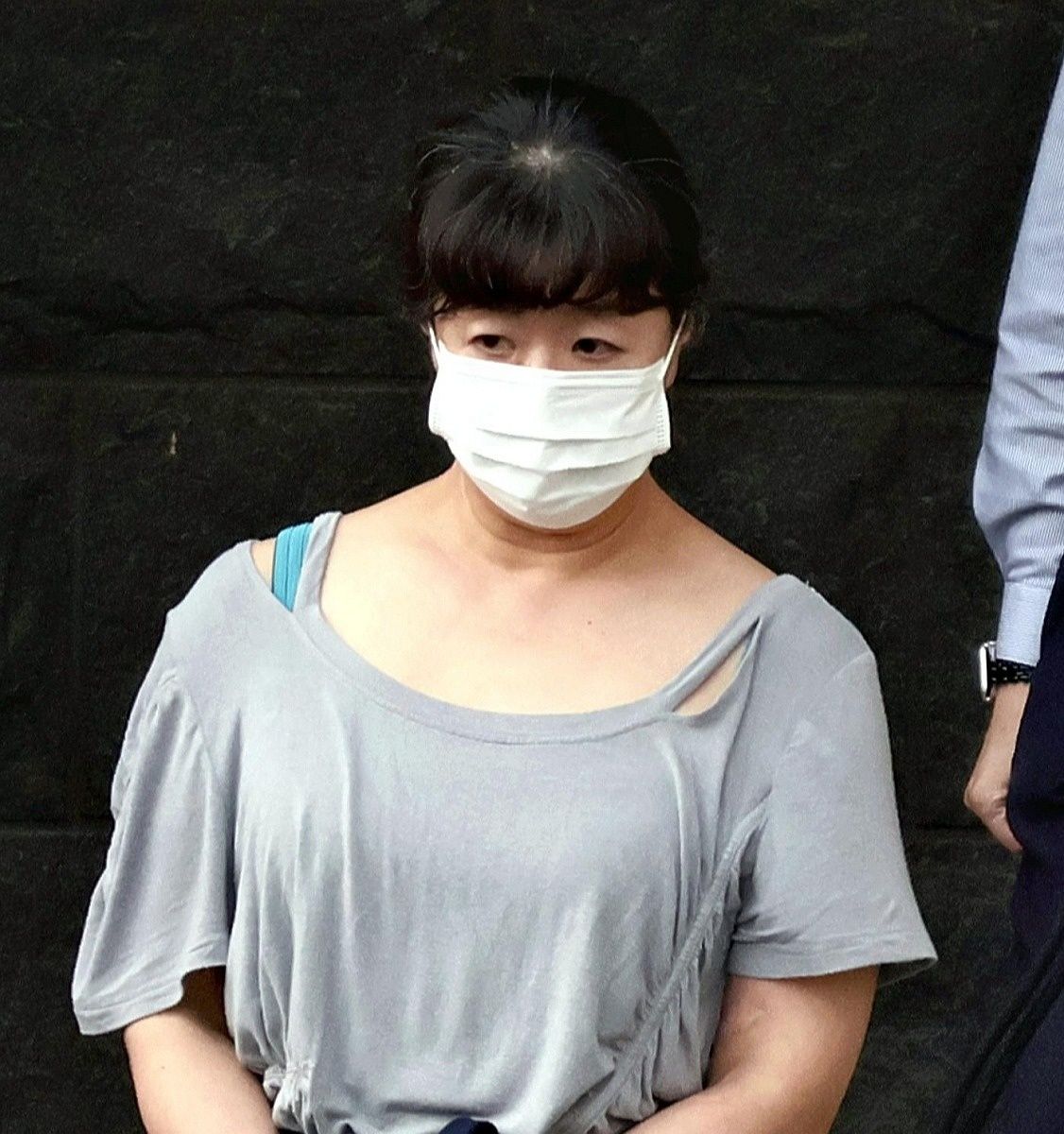
A shocking criminal case in Japan has raised urgent questions about patient safety protocols in hospitals and the vetting of healthcare workers. Miyuki Furukawa, 51, was arrested on Wednesday, July 15, on suspicion of deliberately introducing faecal matter into an intravenous tube connected to a patient at Kashiwa Tanaka Hospital in Chiba Prefecture, resulting in the patient's death from sepsis-related organ failure. The arrest marks the culmination of an investigation that began when staff noticed visible contamination in a patient's IV extension line weeks after the alleged incident occurred.
The victim, Eiji Aida, 75, was under medical care at Kashiwa Tanaka Hospital when his condition deteriorated dramatically in late January. Medical staff recorded that Aida's health suddenly declined around 3:55 am on January 30. He passed away approximately eighteen hours later, at 10:30 pm on January 31. Physicians determined that multiple organ failure triggered by severe sepsis was responsible for his death. Laboratory analysis of Aida's blood revealed the presence of bacteria typically found in human faecal matter, a critical finding that would eventually direct investigators toward the source of contamination and the circumstances surrounding his fatal infection.
At the time of the alleged incident, Furukawa held the position of head nurse supervising the night shift at the facility. Security camera documentation from the hospital captured Furukawa entering and exiting Aida's room during the relevant timeframe. Despite the mounting evidence, Furukawa has denied the accusations. "I deny inserting faeces into the tube," she stated when confronted by authorities. This categorical denial sets the stage for what is likely to be a contested legal proceeding, with investigators tasked with establishing intent and causality beyond reasonable doubt.
The discovery of the contamination came indirectly, through the vigilance of a fellow hospital employee. On February 1, more than twenty-four hours after Aida's death, this staff member observed that the extension tube attached to Aida's IV line had taken on a brownish discoloration. Recognizing the unusual appearance, the colleague immediately reported the observation to authorities at Kashiwa Police, expressing concern that "a foreign substance was inserted." This observation proved pivotal, establishing a factual basis for suspicion and prompting police to open a formal investigation into the circumstances surrounding the patient's death.
Investigators uncovered additional elements that deepened suspicion regarding Furukawa's involvement. According to sources close to the police inquiry, there had been documented conflict between Furukawa and the deceased patient prior to the incident. More significantly, authorities discovered that Furukawa had conducted internet searches on her personal smartphone seeking information about the lethality of faecal injection. Specifically, she had searched for the phrase "faeces injection — Will [he] die?" This digital evidence, while circumstantial, is considered highly suggestive of premeditation and has substantially strengthened the prosecution's case in the eyes of investigators.
The timeline of Furukawa's employment following the incident appears conspicuous. She continued working at Kashiwa Tanaka Hospital for approximately one month after Aida's death before resigning at the end of February. Subsequently, she secured employment as a midwife at a Tokyo hospital, suggesting she maintained professional credentials despite the emerging investigation. This transition in her career trajectory may feature prominently in judicial proceedings, as prosecutors could argue it demonstrates consciousness of guilt or an attempt to distance herself from the affected facility.
Chiba prefectural police have made clear that their investigation remains ongoing, with particular emphasis on determining Furukawa's motive and reconstructing the detailed sequence of events on the morning in question. Establishing why a healthcare professional would intentionally harm a patient remains a critical investigative objective. Whether the conflict between Furukawa and Aida, combined with her apparent research into fatal methods, constitutes sufficient evidence of deliberate intent will be central to the case.
Aoikai, the healthcare organisation responsible for operating Kashiwa Tanaka Hospital, issued a statement addressing the gravity of the allegations. The organisation characterised the alleged act as "absolutely unforgivable for someone working at a medical institution and as a human being," acknowledging the profound breach of professional ethics and trust that such conduct represents. The hospital has pledged full cooperation with police investigations and committed to transparency in uncovering the factual circumstances. This institutional response reflects the catastrophic reputational damage that such incidents inflict on healthcare facilities and the broader medical profession.
The case carries significant implications for hospital safety governance across Japan and potentially throughout the region. It underscores vulnerabilities in nightshift supervision, the need for enhanced monitoring of IV lines and related medical equipment, and the importance of implementing robust background checks and psychological assessments for healthcare workers with direct patient care responsibilities. For Malaysian healthcare administrators and policymakers, the case serves as a sobering reminder of the necessity for rigorous institutional safeguards, regular auditing of clinical practices, and transparent incident reporting mechanisms that can identify anomalies before they result in patient harm.

