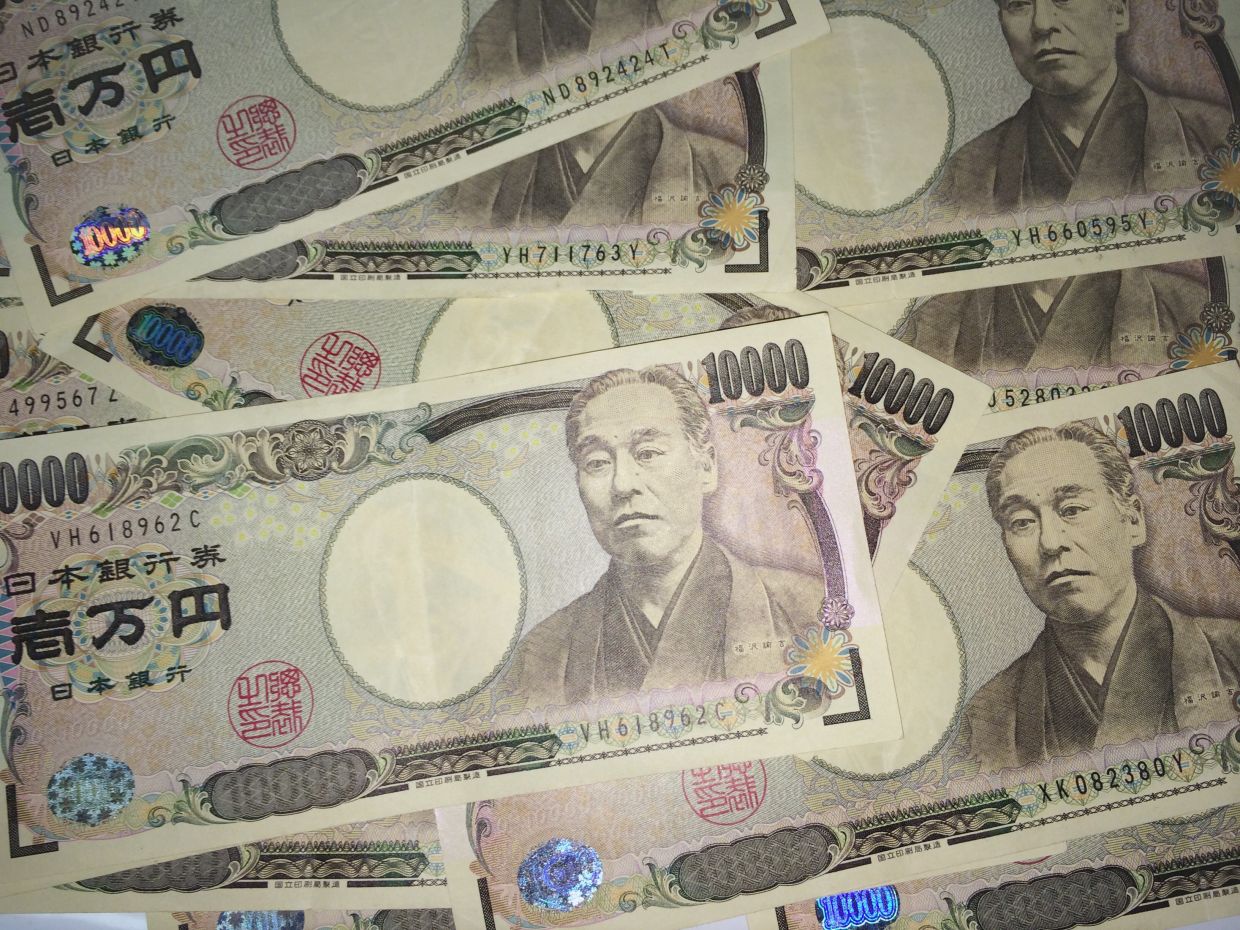
The Japanese yen continued its relentless descent toward four-decade lows on Friday, revealing the limitations of conventional policy tools in stemming a prolonged currency rout that has resisted both official intervention and interest rate increases. Trading at approximately 161.205 yen per U.S. dollar, the currency showed only marginal recovery from Thursday's two-year nadir, with markets remaining on high alert for fresh government action as the slide threatens to unsettle Asia's second-largest economy.
The yen's weakness persists despite two significant policy moves in recent weeks. The Bank of Japan lifted its benchmark interest rate to a 31-year high last week in an attempt to make yen-denominated assets more attractive to investors, a conventional tactic deployed to support a weakening currency. Separately, the Ministry of Finance had already conducted dollar-selling interventions earlier in the year, deploying considerable firepower to prop up the flagging yen. Yet these measures have produced disappointingly limited results, suggesting that deeper structural concerns about the Japanese economy are overwhelming near-term policy responses.
Markets this week were also buoyed by news of a U.S.-Iran peace accord, which prompted shipping traffic in the Strait of Hormuz to resume normal operations and eased energy-related volatility. This development should theoretically have supported the yen and other Asian currencies by reducing geopolitical risk premiums. However, the breakthrough agreement failed to reignite investor appetite for the Japanese currency, indicating that confidence in Japan's economic outlook remains the primary driver of the yen's troubles rather than external shock factors. Most other currency pairs remained relatively flat as regional markets digested the diplomatic developments, with thin liquidity from holidays in the United States and much of Asia limiting the scope for meaningful moves.
Analysts are scrutinizing the technical level of 161.95 yen per dollar as a crucial flashpoint where Japanese authorities may feel compelled to intervene more aggressively. Tony Sycamore, a market strategist at IG in Sydney, suggests the Ministry of Finance will likely deploy similar intervention firepower to that demonstrated in April and May, potentially marshalling approximately 11.7 trillion yen to defend this threshold. Such action would represent a substantial commitment of reserves, consuming roughly 11 to 12 percent of Japan's total foreign exchange stockpiles in a compressed timeframe. The analyst's assessment highlights a strategic dilemma: while initial interventions proved insufficient, repeated large-scale operations risk depleting ammunition needed for future emergencies and undermining the credibility of official policy messaging.
Underlying investor confidence in Japan has been complicated by concerns surrounding the spending plans articulated by Prime Minister Sanae Takaichi. Questions about fiscal sustainability and the appropriateness of major new expenditure commitments when the economy already faces currency pressures have prompted capital outflows and intensified speculation that additional intervention attempts could be forthcoming. This erosion of confidence extends beyond immediate currency trading mechanics to reflect broader doubts about Japan's medium-term economic direction and fiscal discipline, challenges that rate hikes alone cannot address.
Fresh data released Friday underscored why the Bank of Japan faces genuine constraints in its policy options. Japan's core inflation, stripping out volatile energy components, remained stubbornly below the central bank's 2 percent target for a fourth consecutive month through May, despite earlier predictions of acceleration. This persistent undershooting reflects the efficacy of government fuel price subsidies, which have successfully dampened consumer energy costs even as global oil prices have climbed due to the Middle East conflict. The inflation data complicates the central bank's narrative for further rate increases, since raising borrowing costs when underlying price pressures remain modest risks unintended economic harm.
Capital Economics analysts contend that government price support measures will eventually lose their restraining influence, with inflation potentially climbing to approximately 3.5 percent by early 2027 as the pass-through of elevated energy costs flows into utility bills and other goods and services. Minutes from the Bank of Japan's April policy meeting, released concurrently with Friday's data, revealed that some board members advocate accelerating rate increases if the Middle East tensions persist, out of concern that underlying inflation could overshoot the 2 percent target in coming years. Bank of Japan Deputy Governor Ryozo Himino reinforced this stance on Friday, stating the central bank remains committed to methodical rate increases while monitoring inflation risks closely.
Global currency markets displayed remarkable stability elsewhere, with the U.S. dollar index holding at 100.81 after climbing 0.5 percent to touch a one-year peak on Thursday. This sustained strength of the greenback provides an additional headwind for the yen, as currency traders continue rotating funds toward the world's reserve currency. The British pound remained essentially flat at $1.3205 following the Bank of England's decision to hold interest rates steady at 3.75 percent, with officials signalling they judge it premature to tighten policy further given persistent uncertainties regarding inflation durability. Political developments in Britain added an element of intrigue, with traders monitoring a Greater Manchester by-election where Mayor Andy Burnham's potential victory could generate leadership challenges within the ruling Labour Party and complicate Prime Minister Keir Starmer's political calculations.
In the Southern Hemisphere, the Australian dollar edged 0.1 percent lower to $0.7011, while the New Zealand dollar remained steady at $0.5756 as commodity-linked currencies awaited clearer directional cues from global growth prospects. Digital asset markets remained subdued, with Bitcoin declining 0.2 percent to $62,868.18 and Ethereum holding essentially unchanged at $1,708.98, reflecting broader caution among risk-sensitive investors. For Malaysian market participants and Southeast Asian exporters to Japan, the sustained yen weakness presents a mixed picture: Japanese goods become more competitive globally, potentially pressuring regional manufacturers, yet investment flows and tourism revenues tied to Japanese spending may face headwinds from reduced consumer and corporate confidence in the home economy.

