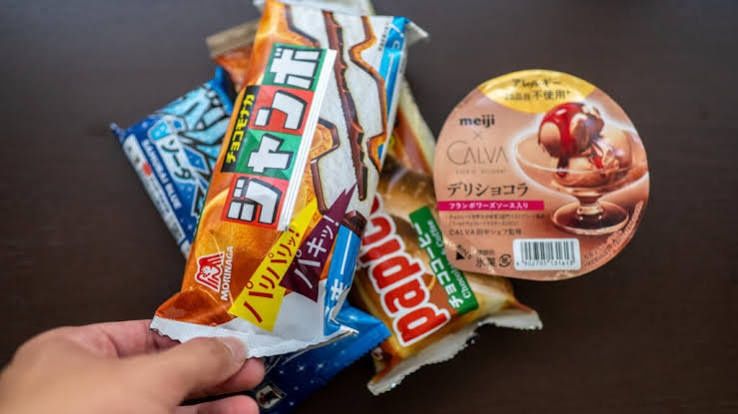
Japanese authorities have intensified scrutiny of the country's ice cream industry, launching coordinated raids against six of the sector's largest producers on suspicion of operating an illegal price-fixing cartel. The move comes as demand for frozen treats peaks during summer months, traditionally the most lucrative period for manufacturers. The Japan Fair Trade Commission (JFTC) conducted simultaneous searches of corporate headquarters belonging to Meiji Co., Morinaga Milk Industry Co., Lotte Co., Ezaki Glico Co., Morinaga & Co., and Akagi Nyugyo Co., marking an aggressive enforcement action against what officials believe constitutes systematic anticompetitive behaviour.
According to sources familiar with the investigation, company officials at these firms are suspected of engaging in sustained collusion over several years, allegedly using email communications and in-person meetings to coordinate the timing and magnitude of retail price increases. The pattern suggests a deliberate effort to synchronize pricing decisions across competing brands rather than allowing market forces to determine individual company strategies. This type of coordination represents one of the most serious violations under Japan's competition law, as it directly harms consumers by artificially inflating prices for everyday products consumed widely across the population.
The timing of price increases across the six companies provides compelling circumstantial evidence for regulators' suspicions. Since approximately 2022, each manufacturer has raised retail prices on an annual basis, with these increases occurring at remarkably similar intervals and timeframes. Such synchronization across independent competitors would be highly unusual in a functioning competitive market, where individual firms typically adjust prices based on their own cost structures and competitive positioning. The pattern suggests coordination rather than parallel independent decision-making, which regulators can use to establish probable cause for cartel activity.
The investigation extends beyond merely proving coordination to examining whether the companies exploited inflationary conditions to justify price increases disproportionate to actual cost pressures. The JFTC is scrutinizing whether raw material cost increases genuinely warranted the magnitude of retail price hikes, or whether manufacturers used inflation as convenient cover for anticompetitive price elevation. This analytical approach recognizes that even during periods of legitimate cost inflation, companies may attempt to maximize margins by raising prices beyond what economic necessity requires, particularly when coordinating with competitors who face identical supply chain pressures.
All five companies that have publicly commented on the raids confirmed receiving JFTC investigators and pledged full cooperation with the antitrust examination. Akagi Nyugyo's representative, Natsuyo Suzuki, explicitly acknowledged the on-site inspection and committed to assisting authorities throughout the process. Such statements, while standard corporate practice, reflect the seriousness with which Japanese firms treat competition law enforcement. The cooperative stance suggests that companies understand the potential consequences of obstruction and recognize that transparency may mitigate penalties should violations be substantiated.
The investigation occurs against the backdrop of record-breaking ice cream sales in Japan, with the sector generating more than 660 billion yen during the fiscal year ending in March. This exceptional commercial performance coincided with Japan's experience of its hottest summer since systematic record-keeping began in 1989, creating unprecedented demand for frozen confections. Higher sales volumes and elevated prices during this period amplify the impact of any cartel activity on consumers, who face limited alternatives when temperatures surge and ice cream consumption becomes a necessity rather than a luxury good.
For Malaysian and Southeast Asian markets, this enforcement action carries important implications regarding regional competition policy harmonization. Japan's JFTC operates independently but coordinates with antitrust authorities across the Asia-Pacific region, including Malaysia's MyCC and other national competition agencies. A substantiated finding against these major ice cream manufacturers would reinforce commitment to aggressive cartel prosecution across the region, potentially prompting similar investigations into food and beverage sectors where price synchronization patterns suggest collusion.
The potential penalties facing the implicated companies would establish significant deterrent effects for future anticompetitive conduct. If the JFTC concludes that cartel activity occurred, it possesses authority to mandate business practice improvements and impose substantial financial penalties. The watchdog can levy fines up to 10 percent of relevant business turnover, creating material financial consequences that extend beyond the investigation period. Such penalties affect shareholder value and corporate financial performance, incentivizing boards and management to implement robust compliance programs.
The frozen food sector carries particular importance for consumer protection because ice cream and related products are widely consumed across demographic groups and income levels. Price inflation in this category directly impacts household budgets, particularly for families with children. When competitors coordinate pricing rather than competing independently, consumers lose the cost savings that would result from genuine market competition. The broad consumer impact makes cartel enforcement in this sector especially significant for regulatory priorities.
Beyond immediate enforcement, this investigation highlights evolving Japanese regulatory approaches to digital-era cartels. The alleged use of email communications and electronic coordination methods reflects how modern cartels operate differently from historical smoke-filled-room arrangements. Regulators' focus on digital evidence and communication records demonstrates sophisticated investigative techniques adapted to contemporary business practices. This methodology provides a template that Malaysian and regional competition authorities increasingly employ when investigating suspected cartels in digitally connected industries.
The investigation's progression will likely unfold over several months, with the JFTC gathering evidence, conducting interviews, and potentially requesting information from customers and competitors. The legal process will test each company's defence arguments and determine whether the circumstantial evidence of synchronized price increases constitutes sufficient proof of illegal coordination. Industry observers across Asia will monitor the outcome closely, as major ice cream manufacturers operate throughout the region and findings in Japan may trigger similar scrutiny elsewhere.
This enforcement action underscores the enduring relevance of competition law even in mature, seemingly stable industries. Ice cream manufacturing lacks the technological complexity or market concentration of sectors often associated with antitrust concern, yet it remains subject to rigorous enforcement when evidence suggests anticompetitive coordination. The case demonstrates that cartel prosecution continues across all economic sectors in Japan, creating comprehensive deterrent effects that benefit consumers and preserve competitive market function.