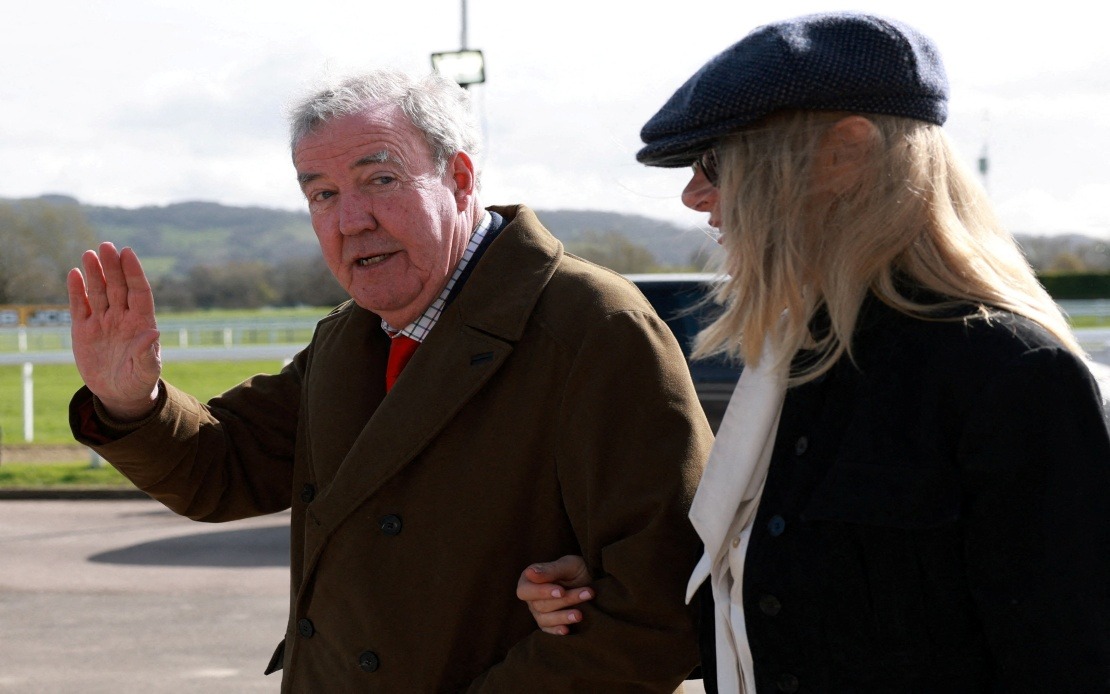
British television personality Jeremy Clarkson has made public his diagnosis of prostate cancer, a revelation that has stunned fans of the iconic presenter who has dominated British media for decades. The 66-year-old disclosed the condition during filming discussions about harvest planning with farm manager Kaleb Cooper and land agent Charlie Ireland, according to reports from PA Media and dpa on June 17. The candid admission comes as Clarkson continues to navigate significant health challenges that have marked recent years of his life and career.
Clarkson's approach to discussing his diagnosis reflected his characteristic directness and pragmatism. Rather than softening the message or avoiding specifics, he told those around him plainly that he had been diagnosed with cancer whilst maintaining an optimistic outlook about his prospects. He expressed confidence that he would ultimately be "fine," though he acknowledged needing to step away from work commitments during the treatment and recovery period. This measured response underscored his determination to continue with his professional obligations even as he grappled with serious health implications.
The extent of his medical intervention became clearer in the season finale, when Clarkson revealed that he had undergone surgical removal of a portion of his prostate gland. Specifically, doctors determined that approximately 10 percent of the prostate tissue was affected by cancer and required removal. Speaking from a hospital bed during the episode's conclusion, Clarkson explained that the efficacy of the procedure would remain unknown until November, meaning he faces several months of uncertainty before receiving conclusive information about whether the treatment had succeeded in eliminating the malignancy. This waiting period represents a significant challenge both physically and psychologically.
Complicating his recovery further, Clarkson disclosed that he had experienced complications arising from the treatment itself. Rather than presenting a straightforward post-operative period, his hospitalisation extended beyond the initial surgery, forcing him to remain under medical observation. The irony was not lost on the presenter, who remarked that the season began with him recovering in a hospital bed and concluded in identical circumstances. This observation highlighted the unexpected severity of his health situation and the toll that medical intervention had exacted.
Clarkson's candour about his situation extended to contemplating the future of his highly successful reality television programme. With characteristic bluntness, he addressed viewers directly, stating that if his treatment proved successful, he would return for a sixth season of the show, but if the outcome was unfavourable, he would not. This frank acknowledgment of mortality and the genuine possibility of a different outcome demonstrated the seriousness with which he regarded his condition. The proposed timeline for the sixth season's broadcast is currently set for 2027, providing a substantial interval for recovery and assessment.
This diagnosis arrives against the backdrop of Clarkson's recent medical history, which has proven troublesome. Nearly two years prior, the presenter underwent a cardiac procedure that resulted in the insertion of two stents to restore proper blood flow to his heart. Following that intervention, his physician had recommended cessation of work, a directive Clarkson had struggled with during his recovery period. He had publicly documented his experience at the time, noting his doctor's suggestion that he replace professional obligations with leisure activities such as golf. These successive health challenges suggest an underlying vulnerability that has now manifested in this cancer diagnosis.
Clarkson's lifestyle modifications over the years have included giving up smoking, a decision precipitated by his contraction of pneumonia whilst holidaying in Spain. This history of addressing health concerns, though sometimes tardily, indicates someone who eventually responds to medical warnings even if initial resistance is characteristic of his personality. The cumulative effect of these health episodes paints a picture of a man navigating the physical consequences of an intensely demanding career spanning several decades in the public eye.
Since establishing his farm operation in 2019 and subsequently launching his agricultural reality series, Clarkson has undergone a significant professional and personal transformation. His venture into farming evolved from a personal interest into a platform for broader advocacy on agricultural issues affecting British farmers. He has emerged as an increasingly vocal supporter of farming communities and their concerns, most notably demonstrated through his attendance at a London protest in November 2024 opposing the UK government's proposed implementation of inheritance tax on farmland. This evolution has given his career renewed purpose and connected him with audiences in new ways.
The implications of Clarkson's diagnosis extend beyond his personal health situation to consider the broader landscape of public figures disclosing serious medical conditions. His willingness to discuss prostate cancer openly, alongside his earlier transparency about cardiac issues, contributes to normalising conversations about men's health in British popular culture. Such candid revelations from high-profile personalities can encourage others facing similar diagnoses to seek appropriate medical intervention and support. For Malaysian and Southeast Asian audiences familiar with Clarkson's work through international broadcasting, his situation underscores the importance of health screening and early detection across all demographics and professional backgrounds.
The broadcaster's transparency also reflects changing attitudes toward disability and serious illness in entertainment and media industries. Rather than disappearing from public view or obscuring his condition, Clarkson has chosen to address it directly with his audience, treating it as part of the narrative of his life and work. This approach demonstrates that health challenges need not signify the end of a career or public presence, though they may require temporary adjustments and accommodations. As viewers and the media await developments in his recovery, Clarkson's situation serves as a reminder of the unpredictability of health and the importance of addressing medical concerns promptly.
Looking ahead, the fate of Clarkson's farming series remains contingent on his recovery outcome. The planned broadcast schedule for season six in 2027 provides sufficient temporal distance for treatment completion and comprehensive assessment of its success. Whether Clarkson returns to screen or not, his impact on agricultural discourse and farming communities' visibility in mainstream media has already been established. His current situation, while undoubtedly challenging, has not diminished his influence nor his commitment to causes he has embraced. The coming months will be crucial in determining not only his personal health trajectory but also the future direction of one of television's most distinctive and recognisable personalities.