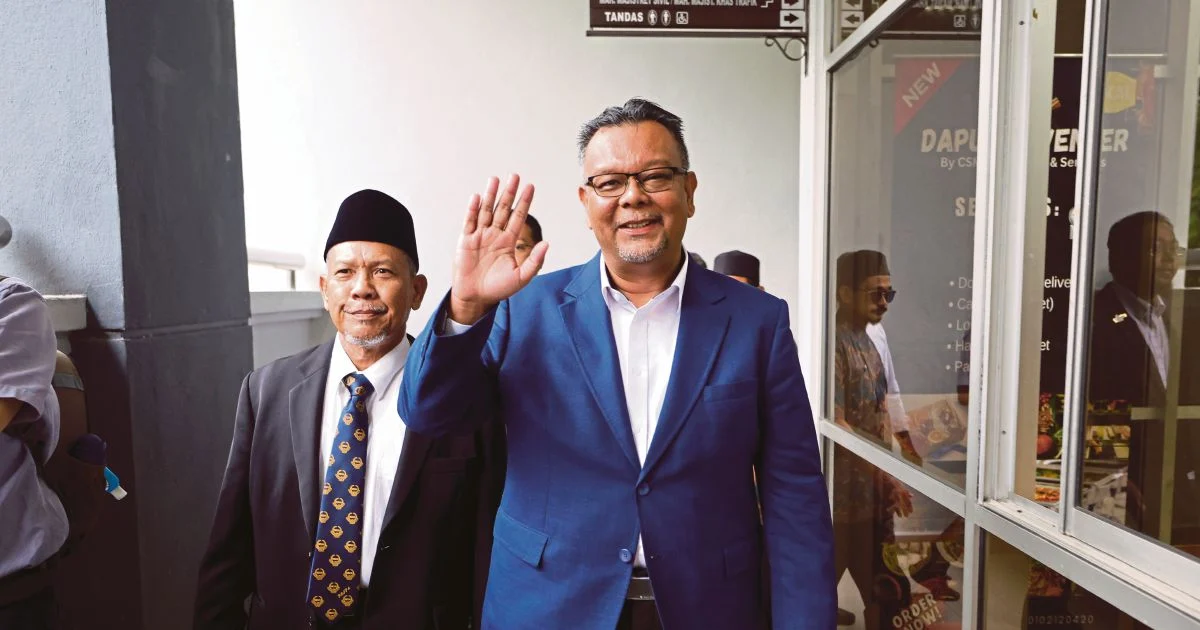
In a hearing that underscores the ongoing scrutiny of political speech in Malaysia, Jitra assemblyman Dr Haim Hilman Abdullah entered a not guilty plea before the Seremban magistrate's court, rejecting allegations that he made statements designed to trigger public alarm. The development marks the latest instance of a Malaysian politician facing legal action centred on the nature and impact of public utterances, an area that has become increasingly contentious in the nation's political landscape.
The charge facing the Jitra representative falls under provisions within Malaysian law that criminalise statements intended to cause or likely to cause public alarm. Such legislation reflects the state's interest in maintaining public order and preventing social discord through inflammatory speech. However, these statutes have also emerged as a focal point in debates about freedom of expression, with civil society observers and legal experts frequently questioning where the boundary lies between permissible political commentary and unlawful provocation.
Dr Haim Hilman's case arrives at a moment when Malaysian politicians across the political spectrum face heightened exposure to legal challenges related to their public statements. The circumstances surrounding the allegations against him and the specific statements in question will likely shape how courts interpret the scope of this particular law. The Seremban magistrate's court proceedings will provide insight into judicial thinking on a matter that increasingly intersects political discourse with criminal accountability.
The not guilty plea signals that Dr Haim Hilman intends to contest the allegations through the judicial process rather than accepting the charges. This approach typically requires the prosecution to present evidence establishing that statements were indeed made and that they possessed the character of likely causing public alarm. The nature of evidence required in such cases often hinges on demonstrating both the content of the statements and their reasonable potential to disturb public peace or generate widespread concern.
For Malaysian political observers, this case reflects broader patterns in how elected representatives navigate the relationship between robust political expression and legal constraints. Assemblymen and other elected officials operate within a regulatory environment where the line between permissible criticism, legitimate political speech, and prohibited utterances remains subject to interpretation. Cases such as this one contribute to ongoing jurisprudence on the matter, potentially influencing how politicians calibrate their public communications.
The Jitra assemblyman's representation in Seremban magistrate's court represents an important procedural phase in the legal proceedings. Magistrate's courts in Malaysia handle initial hearings for criminal charges, with magistrates determining whether sufficient evidence exists to proceed with cases. The subsequent trajectory of Dr Haim Hilman's case will depend on how the court evaluates evidence presented by prosecution and defence, and may ultimately influence broader understanding of how Malaysian law treats political speech that allegedly threatens public order.
Within the broader Southeast Asian context, Malaysia's approach to regulating potentially alarming public statements reflects wider regional patterns. Many countries in the region maintain similar provisions within their legal frameworks, often justified as necessary safeguards for social stability. Yet comparative analysis reveals varying judicial approaches to interpreting and applying such laws, with implications for how political space functions across democracies in the region.
The case also occurs amid ongoing discussions about protecting political discourse while maintaining public order. Civil society organisations in Malaysia have previously raised concerns that expansive interpretations of public alarm statutes could chill legitimate political expression and disadvantage opposition figures or critics of government. These concerns have prompted calls for clearer legislative definitions and judicial guidance on what constitutes statements likely to cause public alarm, distinguishing such utterances from ordinary political debate.
For observers tracking developments in Malaysian jurisprudence, the handling of Dr Haim Hilman's case will merit attention regarding how courts balance public order concerns against freedom of political expression. The evidence presented during proceedings, the legal arguments advanced by both prosecution and defence, and ultimately the court's reasoning in reaching its determination will contribute to the evolving legal landscape surrounding political speech in Malaysia.
As the case progresses through the judicial system, it will likely attract interest from legal professionals, political analysts, and civil society observers concerned with the intersection of law and politics in Malaysia. The outcome may carry implications extending beyond Dr Haim Hilman's individual circumstances, potentially shaping how future cases involving allegations of statements likely to cause public alarm are litigated and resolved within Malaysian courts. The coming phases of litigation will determine whether the allegations withstand legal scrutiny and clarify the boundaries of permissible political expression within the Malaysian legal framework.

