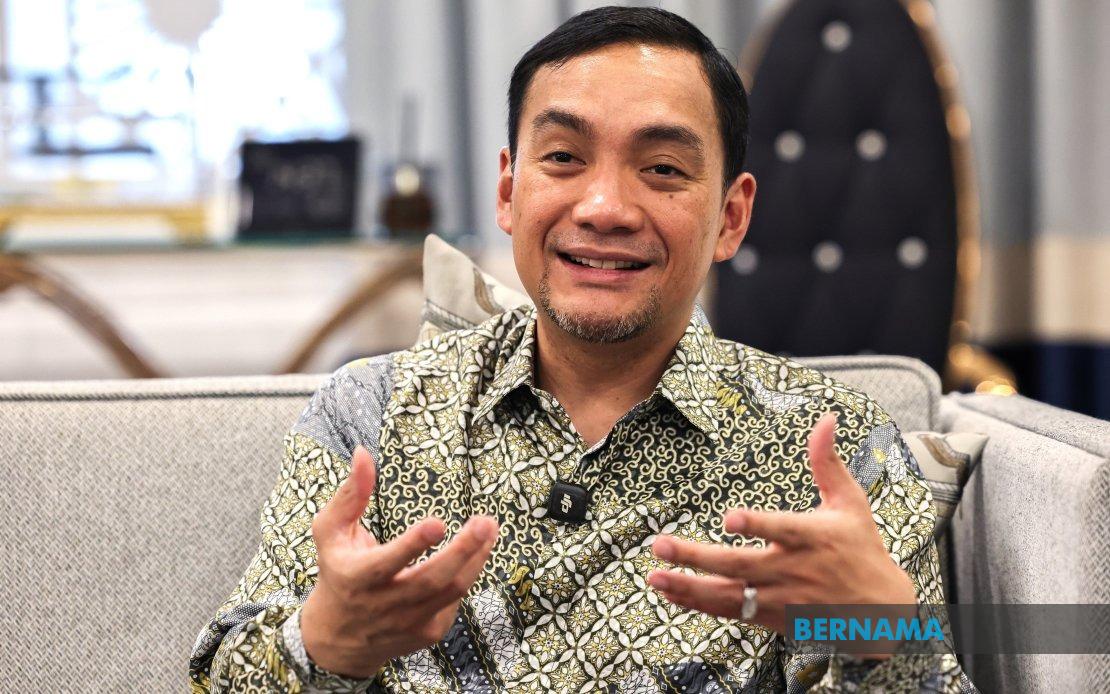
Johor Barisan Nasional has unveiled an ambitious plan to deepen community engagement with mosques and surau across the state through the Semarak Isya' programme, positioning the initiative as a cornerstone of its vision for balanced development ahead of the July 11 state election. The programme forms part of the coalition's comprehensive 63-point manifesto titled 'Maju Johor, Kestabilan Dikekalkan, Kemajuan Diteruskan', which seeks to address voter concerns beyond economic metrics and physical infrastructure.
According to Johor BN chairman Datuk Onn Hafiz Ghazi, the Semarak Isya' scheme builds directly on the success of the existing Semarak Subuh programme by extending community-centred activities into evening hours following the isyak prayer. Rather than limiting mosque and surau functions to formal worship, the initiative envisions these institutions as multipurpose community centres that blend spiritual advancement with social welfare provision. The programme would incorporate religious lectures, inspirational content tailored for contemporary audiences, and shared meals for worshippers—a tangible gesture aimed at making houses of worship more accessible to working families with limited time for extended social interaction.
The strategic emphasis on evening programming reflects evolving demographic realities across Johor, where many residents complete work and family obligations only after sunset. By anchoring activities to the isyak prayer time, organisers anticipate greater participation from younger generations and employed adults who struggle to attend daytime religious or community functions. This timing also aligns with family-oriented scheduling, potentially encouraging households to participate together rather than individuals attending separately.
Onn Hafiz articulated a deliberately expansive definition of state development that moves beyond conventional economic indicators. He contended that infrastructure expansion and gross domestic product growth, while necessary, remain insufficient measures of genuine progress without corresponding improvements in social cohesion, spiritual grounding, and shared values. This framing represents a deliberate counterweight to purely materialist development narratives and acknowledges growing public discourse about spiritual and social wellbeing in rapidly modernising Malaysian communities.
The Machap assemblyman outlined how localised implementation across individual state constituencies would permit programme administrators to customise offerings according to specific community demographics and needs. Urban constituencies might emphasise youth engagement and professional networking opportunities during evening gatherings, while rural areas could prioritise family programmes and agricultural welfare initiatives. This flexibility suggests organisers recognise the substantial diversity within Johor's population and reject one-size-fits-all approaches to community development.
The proposed activities spectrum—encompassing religious scholarship, family events, volunteerism, welfare distribution, and community development projects—attempts to position mosques and surau as legitimate venues for addressing practical social problems rather than purely spiritual concerns. Such an approach potentially broadens the appeal of these institutions beyond traditionally religious demographics and demonstrates responsiveness to voter expectations that government-supported programmes deliver tangible improvements to daily life.
Onn Hafiz's conceptualisation of "true development" centres on the interconnection between economic prosperity, individual material wellbeing, and interpersonal relationships strengthened through shared values and community participation. This articulation suggests Barisan Nasional strategists believe voters increasingly demand holistic governance frameworks that acknowledge spiritual and social dimensions of quality of life rather than limiting political discourse to financial matters and infrastructure projects.
The timing of this announcement, occurring just before nomination day on June 27 and ahead of the July 11 polling date, indicates the coalition views community-focused religious programming as electorally significant. In a state where Islam plays a constitutionally important role and where community institutions exercise considerable social influence, positioning the party as custodian of enhanced mosque and surau development may resonate with voters concerned about spiritual values and social stability amid rapid economic change.
For Malaysian observers broadly, the Semarak Isya' proposal illustrates how major political coalitions increasingly incorporate faith-based community engagement within mainstream electoral platforms rather than treating religious policy as marginal to campaign messaging. The initiative demonstrates recognition that institutional religion remains central to how many Malaysians organise their social lives and seek meaning, making the quality and accessibility of mosque and surau programming legitimate territory for political competition and policy innovation.
The programme also reflects broader Southeast Asian trends toward inclusive development models that integrate faith communities into governance frameworks. As urbanisation and economic transformation create social fragmentation in rapidly developing states, religious institutions anchored in community trust may serve as effective vehicles for welfare distribution, social stabilisation, and civic participation—functions that government bureaucracies alone sometimes struggle to accomplish.
Whether implemented following a Barisan Nasional victory, the Semarak Isya' framework offers a replicable model for other Malaysian states seeking to strengthen community bonds through institutionalised religious engagement. The initiative demonstrates how traditional institutions can be modernised through strategic programming without compromising religious authenticity, potentially offering lessons for other faith communities and secular organisations attempting similar institutional revitalisation across the region.

