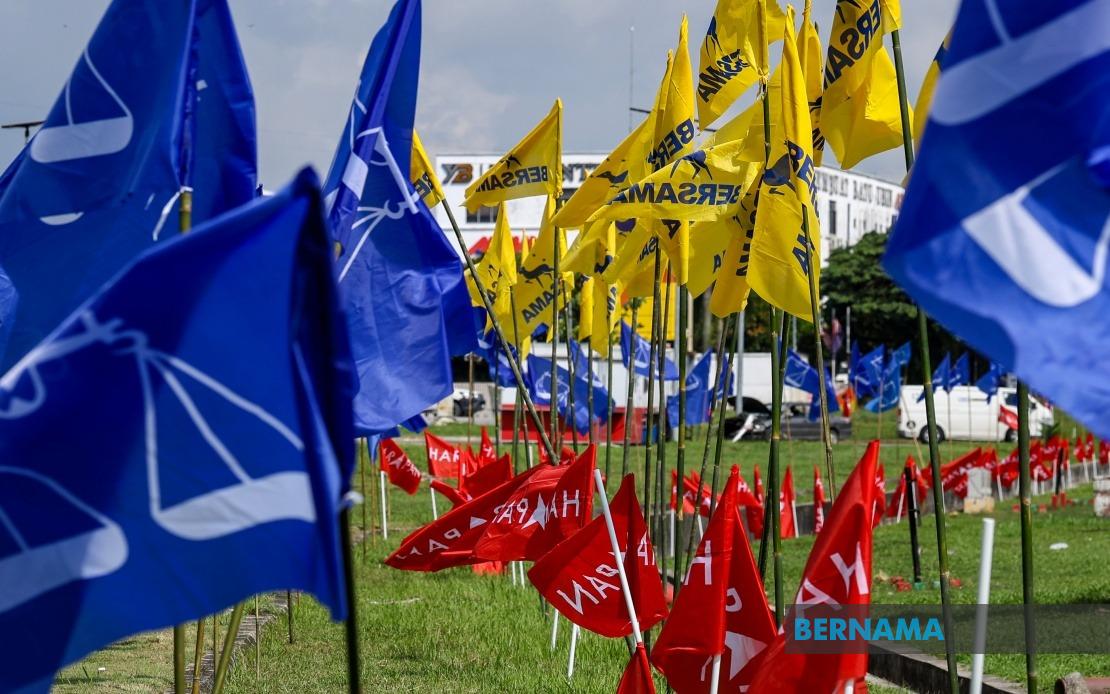
The opening phase of Johor's 16th state election has unfolded with measured intensity, revealing a significant departure from the traditional spectacle of Malaysian electoral politics. Rather than launching bold public spectacles, the major contesting parties have embraced a more measured approach centred on one-to-one voter interaction, small community gatherings, and localised outreach programmes. This methodological shift reflects broader changes in how Malaysian political organisations now mobilise their resources and craft their messaging in an increasingly sophisticated electoral landscape.
Political experts attribute this strategic recalibration to the practical realities of contemporary campaign management. According to Prof Datuk Dr Sivamurugan Pandian, Senior Lecturer in Political Sociology at Universiti Sains Malaysia, the opening week functions primarily as a foundational phase where parties consolidate their ground presence and establish direct communication channels with voters. The approach emphasises personal encounters between candidates and constituents, allowing politicians to gauge local grievances firsthand whilst simultaneously strengthening internal party machinery. Such direct engagement serves dual purposes: it builds individual candidate profiles within their respective constituencies and creates opportunities for parties to refine their resource allocation before intensifying efforts in subsequent weeks.
The transition towards targeted campaigning reflects a broader modernisation of electoral strategies across Malaysian politics. Geostrategist Dr Azmi Hassan of the Nusantara Academy for Strategic Research highlights how contemporary campaigns increasingly incorporate data analytics and sophisticated voter segmentation. Political parties now deploy personnel specifically trained in identifying and persuading distinct voter categories—supporters, undecided voters, and opposition sympathisers—rather than relying upon indiscriminate mass gatherings. This targeted methodology, facilitated by advanced social media platforms and voter database technologies, represents a fundamental shift from the open-air rally format that dominated Malaysian electoral culture for decades. The efficiency gains are considerable, allowing parties to concentrate campaign expenditure where electoral outcomes remain uncertain.
Northern Johor has emerged as the primary theatre for this campaign activity, with political machinery concentrating efforts in constituencies spanning Muar, Tangkak, Segamat, portions of Batu Pahat, and Kluang. According to Ilham Centre researcher Mujibu Abd Muis, this geographic concentration is deliberate and strategically calculated. Parties have identified these northern districts as electorally competitive zones where campaigns could meaningfully influence outcomes, justifying the deployment of national leadership figures and considerable resources. The presence of senior party leaders in these constituencies communicates their strategic importance to party hierarchies and electoral prospects, signalling to grassroots supporters that these seats represent genuine battlegrounds rather than presumed wins.
The campaign narratives dominating public discourse so far have remained comparatively conventional, revolving around three predictable axes: incumbent party accomplishments, future policy commitments, and assertions regarding political stability delivery. However, these themes have not yet crystallised into sufficiently compelling or distinctive messaging capable of reshaping the overall campaign terrain. The absence of a dominant narrative suggests that the election remains genuinely competitive, with electoral outcomes dependent upon how parties successfully translate broad policy positions into tangible local relevance. Voters' immediate material concerns—inflation impacts, employment availability, neighbourhood development projects, and public service quality—appear disconnected from the macroscopic political narratives parties currently emphasise.
Coalition-based competition structures the Johor campaign within a bipolar framework, with Barisan Nasional and Pakatan Harapan dominating the electoral landscape. Each coalition possesses distinct geographic strongholds reflecting historical voting patterns and constituency demographics. Pakatan Harapan demonstrates particular strength in southern and western Johor constituencies, whilst Barisan Nasional consolidates advantages in eastern coastal districts including Mersing and Kota Tinggi. This geographic polarisation directly influences how each coalition deploys campaign resources, with machinery mobilisation closely aligned to regional electoral assessments. The strategic calculation differs markedly between regions: areas where coalitions possess commanding leads receive minimal campaign attention, whilst marginal constituencies receive disproportionate focus and senior leadership engagement.
Analysts unanimously emphasise that the second campaign phase will witness considerably heightened intensity. National party leadership figures are expected to join ground mobilisation efforts, with larger public rallies supplementing the current microTargeted approach. Simultaneously, digital campaign capabilities will intensify, particularly targeting undecided voters through social media platforms where voter persuasion occurs outside traditional media coverage. The first week's restraint represents strategic patience rather than campaign weakness, with political parties maintaining capacity for escalated engagement as polling day approaches.
Voter participation rates will ultimately determine election outcomes according to multiple political analysts. The proportion of registered voters actually casting ballots substantially influences seat distribution, particularly in closely contested constituencies where turnout variations can swing results. This consideration directly shapes current campaign priorities, with parties simultaneously attempting voter persuasion and voter mobilisation—convincing constituents both to support their candidates and to prioritise ballot-casting on election day. Campaigns addressing voter apathy and electoral participation will prove decisive in determining which coalitions ultimately achieve legislative majorities.
The structural context for this election encompasses 172 candidates competing for 56 state assembly seats across Johor's constituencies. Early voting is scheduled for July 7, with formal polling day designated for July 11. This compressed electoral calendar compresses the time available for campaign evolution, meaning the tactical decisions made during the opening week carry disproportionate significance for ultimate campaign trajectories. Parties must execute rapid transitions from foundational microTargeting towards broader mobilisation as polling day approaches, attempting simultaneous voter persuasion and turnout enhancement across geographically dispersed constituencies.
For Malaysian observers and Southeast Asian political analysts, the Johor campaign methodology offers instructive lessons regarding evolving electoral practices across the region. The apparent deprioritisation of mass rallies and transition towards data-driven, geographically concentrated microTargeting reflects broader changes in how democratic competition manifests in technologically advancing societies. Malaysian political parties increasingly recognise that electoral efficiency derives from precision targeting rather than public spectacle, with campaign success contingent upon translating broad policy positions into locally relevant messaging addressing constituents' immediate material concerns. The eventual campaign outcome will substantially illuminate whether this strategic approach successfully mobilises voter participation and generates persuasion advantages for competing coalitions.

