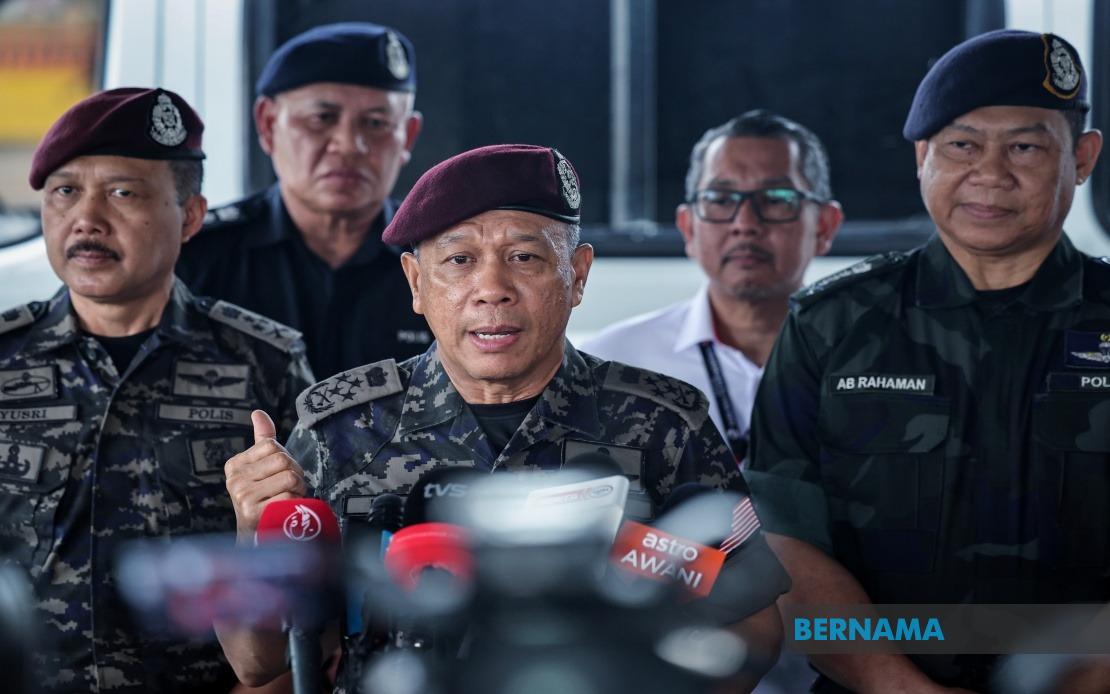
The campaign phase of the 16th Johor State Election has drawn to a close without serious disturbances, according to Malaysia's top police official. Inspector-General of Police Tan Sri Mohd Khalid Ismail revealed that law enforcement authorities documented 90 separate complaints throughout the two-week campaign period that ended at midnight on July 10, with the voting process proceeding without significant disruption across the state. The disclosure comes as polling continued on election day, engaging more than 2.7 million registered voters across all 56 state constituencies in Johor.
A notable feature of the police report is the absence of any complaints directly involving election candidates or senior officials from the contesting political parties. According to Tan Sri Mohd Khalid, the concerns that did materialise were relatively minor in nature, predominantly centred on acts of vandalism and disrespect towards campaign materials. The majority of incidents involved the unauthorised removal, destruction, or burning of political party flags and banners—a pattern that typically emerges during heated election campaigns when emotions run high among supporters and rival factions.
Police have initiated formal investigations into 25 of the 90 reports, establishing investigation papers to facilitate appropriate legal proceedings once authorities identify those responsible. The remaining complaints are still being assessed and categorised to determine whether they warrant formal inquiries. Tan Sri Mohd Khalid emphasised that this investigative process remains ongoing, with officers systematically working through the documentation to establish culpability and gather evidence necessary for potential prosecution. The deliberate pace of the investigations reflects the need to ensure thorough examination rather than hasty conclusions.
The security apparatus deployed throughout Johor during the election period was substantial and strategically positioned. A total of 14,000 police officers and personnel were stationed across the state's 56 constituencies, representing a comprehensive presence designed to maintain order and respond rapidly to any incidents. Within this deployment, 5,600 officers and personnel were drawn from police contingents across Malaysia and specifically assigned to support election duties, demonstrating the nationwide commitment to ensuring electoral integrity in Southeast Asia's largest democracy.
The voting process itself unfolded without major disruptions, reflecting both the security preparations and the general public adherence to election conduct norms. With more than 2.7 million registered voters participating, the scale of the exercise was immense, yet Tan Sri Mohd Khalid reported no significant untoward incidents during polling hours. This smooth execution is particularly significant given the political importance of Johor elections to Malaysia's broader political landscape and the region's democratic health.
Tan Sri Mohd Khalid was accompanied by senior security officials during his visit to polling stations, including Internal Security and Public Order Department director Datuk Seri Mohd Yusri Hassan Basri and Johor Police Chief Datuk Ab Rahaman Arsad. Their presence underscored the commitment of multiple governmental agencies to ensure the election proceeded according to established protocols. The collaboration between different security and administrative bodies reflected institutional coordination necessary for managing elections of this magnitude.
The inspector-general specifically encouraged voters experiencing concerns or irregularities to file formal complaints with police, creating an official record that enables the Election Commission and other relevant agencies to investigate and respond promptly. This appeal recognises that election integrity depends partly on public vigilance and the willingness of citizens to report suspicious activities or procedural violations. By directing complaints through official channels, authorities can distinguish genuine concerns requiring intervention from unfounded rumours or misunderstandings about election procedures.
For Malaysian and Southeast Asian observers, the relative stability during the Johor election campaign offers insights into how the country manages the operational and security dimensions of electoral democracy. Despite the scale of voter participation and the intensity of political competition that characterises Johor's electoral history, the recorded incidents remained modest and predominantly non-violent. This outcome reflects established institutional capacity and public acceptance of election management protocols, though the continued occurrence of flag-burning and banner destruction incidents suggests that passion remains a feature of Malaysian electoral campaigns.
The deployment of thousands of police officers raises important considerations about election security in the Malaysian context. While maintaining order and preventing major disruptions represents a legitimate governmental interest, the scale and visibility of police presence during elections also reflects how Southeast Asian democracies calibrate the balance between security imperatives and the perception that elections remain civilian-led processes. The involvement of officers from nationwide contingents, rather than exclusively local personnel, speaks to a deliberate strategy of ensuring impartiality and preventing local political affiliations from influencing policing decisions during this sensitive period.

