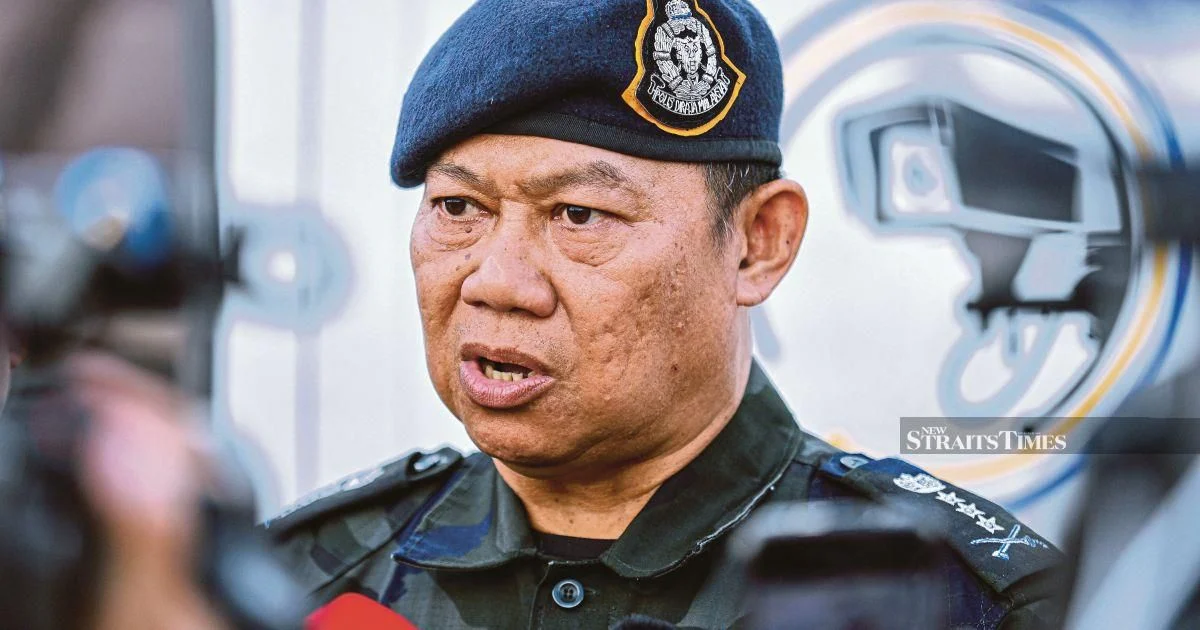
The Johor police force has launched formal investigations into three separate cases following a total of seven election-related complaints that have been received since nomination day commenced. This development underscores the authorities' commitment to monitoring electoral activity and responding to alleged breaches of campaign regulations during the polling period.
The willingness of the police to act on complaints reflects the broader institutional framework designed to ensure electoral integrity across Malaysia's states. Election periods typically generate increased scrutiny from law enforcement agencies, as the conduct of candidates, party machinery, and supporters falls under heightened regulatory oversight. The fact that only three of the seven reports have progressed to formal investigation status suggests that initial assessments may have determined insufficient evidence or legal basis in the remaining cases.
Understanding the nature and scale of these complaints requires context about what constitutes election-related offences under Malaysian law. Common violations include breach of campaign spending limits, distribution of materials without proper authorisation, intimidation of voters, and making false statements about candidates or parties. The threshold for opening an investigation paper varies depending on the seriousness of the allegation and the supporting evidence provided by complainants.
Johor, as Malaysia's second-largest state by population and a key political battleground, typically experiences intensive electoral activity. The state's diverse demographic composition and competitive political landscape mean that election campaigns often generate significant public engagement and, occasionally, disputes over proper conduct. The scale of complaints—seven in total since nomination day—appears moderate relative to previous electoral cycles in the state, suggesting either improved campaign discipline or potentially fewer violations of regulations.
The timing of these investigations matters considerably. Nomination day marks the official commencement of campaign restrictions, and the period immediately following it is critical for establishing compliance. Police action during this early stage sends a clear signal to candidates and their teams about enforcement intentions. Swift responses to complaints, whether they result in formal investigation or dismissal, contribute to public confidence in the electoral process by demonstrating that authorities are monitoring activity.
For Malaysian voters, particularly those in Johor, these investigations carry implications beyond the immediate cases involved. The strength and impartiality of law enforcement during elections fundamentally affects the legitimacy of the electoral outcome. When the public perceives that authorities are investigating genuine violations while dismissing frivolous complaints, confidence in the process strengthens. Conversely, if investigations appear selective or politically motivated, they can undermine faith in electoral fairness regardless of their actual findings.
The Malaysian electoral system relies on multiple layers of oversight, including the Election Commission, law enforcement agencies, and civil society observers. Police investigations represent one crucial component, particularly for alleged criminal conduct that exceeds civil regulatory violations. The three cases now under investigation will likely be examined against relevant provisions of the Election Offences Act and potentially other legislation governing public conduct and campaign financing.
Comparative experience from neighbouring Southeast Asian democracies demonstrates that election-related investigations are not unusual, but their frequency and handling significantly influence how citizens perceive electoral credibility. In states where such probes are transparent and results are publicly communicated, electoral systems tend to enjoy higher legitimacy. The absence of detailed information about these specific cases in public communications suggests that investigations are still in preliminary stages.
The investigation process itself must balance speed with thoroughness. Voters expect rapid resolution of election-related complaints to maintain confidence in the process, yet premature conclusions based on incomplete evidence can lead to wrongful findings or convictions. Police will need to gather evidence, interview complainants and accused parties, and prepare comprehensive case files for prosecutorial review or potential court proceedings.
As the Johor elections progress through their remaining phases—from nomination through polling day to result certification—the police presence and investigative activity will likely continue. The public's perception of whether law enforcement is performing its electoral guardian role effectively will shape broader attitudes toward the legitimacy of the outcome. Malaysian citizens increasingly expect their institutions to maintain high standards of impartiality during elections, and police investigations must reflect that expectation.
The three cases under investigation will now proceed through established procedures, with outcomes potentially affecting not only the individuals involved but also setting precedents for how similar violations are handled in future electoral cycles. Whether these investigations result in charges, warnings, or dismissals, their handling will be watched closely by political parties, civil society organisations, and the electorate as indicators of institutional commitment to fair elections.

