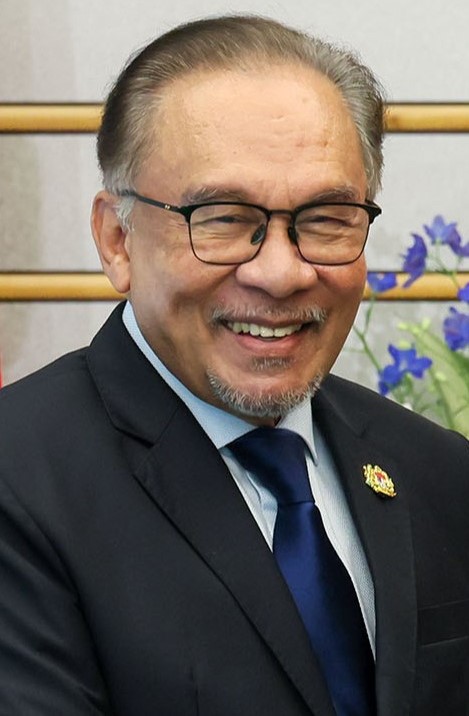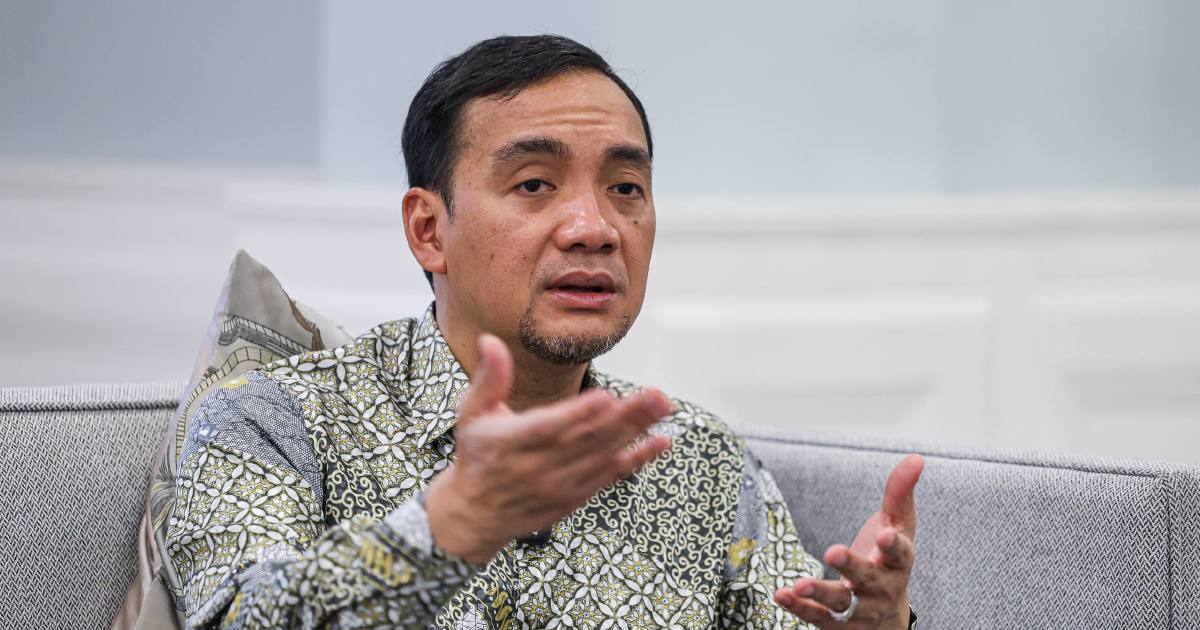
The royal leadership of Johor has intervened to set the tone for the upcoming state election campaign, with both the nation's monarch and the state's regent publicly calling for restraint and decorum among political contenders. Johor Barisan Nasional chairman Datuk Onn Hafiz Ghazi disclosed that His Majesty Sultan Ibrahim, who holds the title King of Malaysia, and Tunku Mahkota Ismail, serving as Regent of Johor, have jointly cautioned the political establishment against degenerating into personal attacks and uncivil conduct during the forthcoming electoral period.
The intervention from the palace represents a significant moment in Malaysian political culture, where the monarchy traditionally maintains distance from partisan affairs while occasionally issuing guidance on matters of national conduct and values. The decision by both the Sultan and the Regent to speak together on this matter underscores the gravity with which the royal institution views the need for maintaining dignity in public discourse. Such joint pronouncements carry considerable weight in Johor, where the sultanate has historically played a central role in the state's political and social fabric, commanding respect across the political spectrum.
For Malaysian voters and observers, the message carries implications that extend beyond mere courtesy. Elections in Malaysia have occasionally been marked by heated rhetoric, personal vilification, and allegations that test the boundaries of acceptable political expression. The royal caution suggests that respected institutional figures view recent campaign discourse with concern, and believe that political competition can be conducted without resorting to character assassination or divisive personal attacks. This is particularly relevant in Johor, the nation's second-largest state by population and a traditional stronghold of Barisan Nasional.
The timing of Onn Hafiz's revelation is noteworthy, coming as various political coalitions prepare their strategies and messaging for the state election. By framing the palace guidance through the Johor BN chairman, the message reaches multiple audiences: it signals to BN members and supporters that they should conduct themselves with decorum, while also implicitly setting expectations for opposition parties who will be aware that royal authority has blessed campaigns rooted in civility rather than acrimony. This structural positioning allows the palace to influence campaign standards without directly entering political debate.
Johor's political landscape has evolved significantly in recent years, with the state experiencing shifts in voter sentiment and coalition dynamics that reflect broader changes across Malaysia. The upcoming election will occur against this backdrop of evolving political identities, making the call for respectful engagement especially pertinent. Campaigns that rely on substantive policy differentiation rather than personal vilification tend to elevate public discourse and allow voters to make choices based on programmatic differences and leadership capability rather than emotional responses to inflammatory rhetoric.
From a Southeast Asian perspective, Malaysia's monarchies have long served as stabilising forces within democratic systems, and Johor's Sultan and Regent are continuing this tradition by emphasising that democratic competition and royal dignity are not incompatible. The message reinforces that electoral processes function most effectively when conducted within frameworks of mutual respect, regardless of fierce policy disagreements. This approach contrasts with jurisdictions where electoral campaigns have become increasingly hostile and personalised, sometimes undermining institutional trust.
The practical impact of such royal guidance depends significantly on how seriously political parties internalise and implement the message. Barisan Nasional, through Onn Hafiz, has presumably committed to honouring the palace wishes, setting a standard that opposition parties will be measured against. Political operatives and party members at all levels will likely receive guidance to ensure that campaign materials, public statements, and social media activity align with the civility standard the palace has endorsed. The responsibility for maintaining standards rests not only with party leadership but with grassroots activists and supporters who often drive campaign momentum.
For civil society observers and democratic watchdogs in Malaysia, such interventions offer a framework for monitoring campaign conduct. When palace authorities have explicitly called for civility, documented instances of personal attacks and uncivil behaviour become potential indicators that politicians have disregarded royal guidance. This creates informal accountability mechanisms that complement formal electoral regulations and can be highlighted by media and citizens' groups monitoring campaign standards. The palace statement, in essence, authorises broader societal scrutiny of political behaviour by establishing what the nation's highest authority considers acceptable.
The emphasis on civility also reflects broader concerns within Malaysian governance about maintaining institutional coherence and public trust during periods of electoral competition. When campaigns descend into personal attacks, they risk eroding confidence in democratic institutions themselves, creating cynicism among voters who become fatigued by negativity. By articulating a vision of electoral competition rooted in mutual respect, the Sultan and Regent are defending not merely courtesy but the integrity of the democratic process and the health of public institutions that depend on citizen confidence.
As the Johor state election campaign unfolds, stakeholders across the political spectrum will watch whether the royal guidance translates into substantive changes in how campaigns are conducted. Media outlets covering the election will likely reference the palace statement when evaluating campaign content, and political analysts will assess whether parties honoured the implicit commitments suggested by Onn Hafiz's disclosure. The outcome will offer insights into the continuing relevance and effectiveness of royal moral authority in shaping political behaviour within contemporary Malaysian democracy, and whether institutional leadership can establish meaningful standards even in increasingly polarised political environments.